News Summary
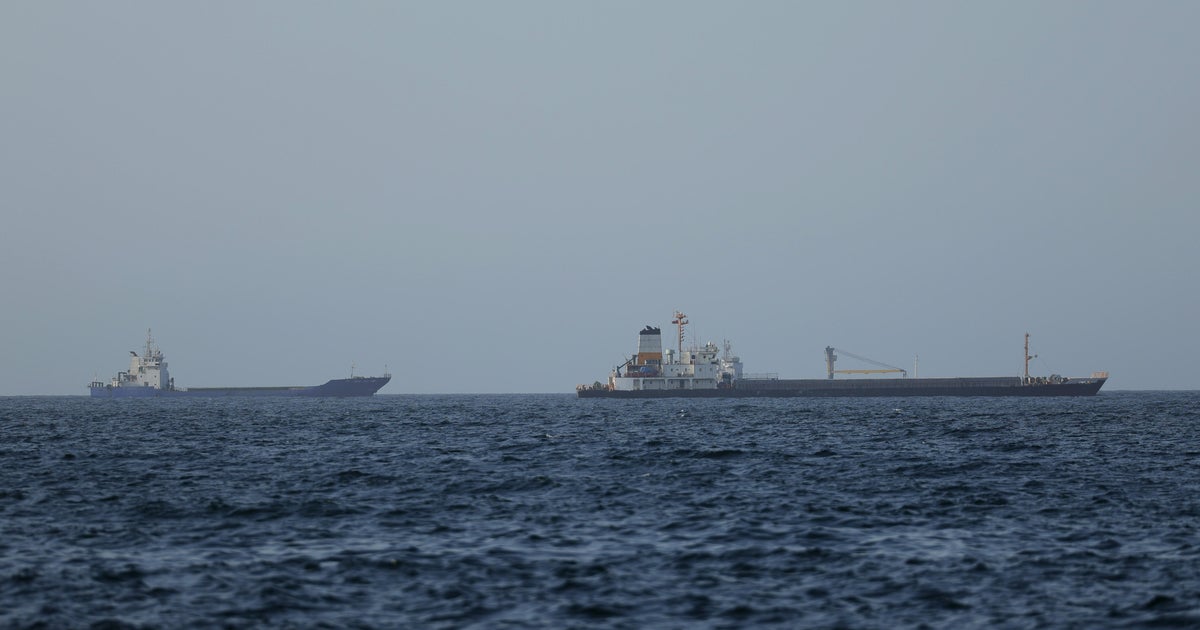
After 111 days of reduced traffic, at least 10 commercial vessels were tracked transiting the Strait of Hormuz on Thursday, with six more heading to exit the Persian Gulf — still far below the pre-war average of about 135 ships per day. Tracked vessels included the French-flagged LNG carrier Mraikh (operated by QatarEnergy) and an Italian Grimaldi Group vehicle carrier that had been stuck in the Gulf since the war began. Some cargo and oil tankers continue to list Chinese crew to avoid being associated with the U.S. or Israel. Several sanctioned Iranian tankers that recently crossed a U.S. naval blockade line remained en route to Iranian ports. The United States and Iran signed a memorandum of understanding intended to permanently terminate military operations on all fronts, including in Lebanon; Pakistani Prime Minister Shehbaz Sharif, a mediator, said the agreement would take immediate effect and that Iran would reopen the Strait while the U.S. would lift its naval blockade. Reuters reported Israel is negotiating with the U.S. over keeping its troops in southern Lebanon, which Iran views as a violation of the Lebanon clause. The Israeli military reported one soldier killed and several wounded in southern Lebanon. The article notes Presidents Trump and Masoud Pezeshkian signed the memorandum and also points out that Iran’s supreme leader holds the most power in Iran’s governmental system.
Biblical Reflection
From a Christian perspective this report shows both the hope and fragility of human peacemaking. Diplomacy that reduces the immediate risk to civilians and to global commerce is a welcome development and aligns with the biblical call to pursue peace. Yet the article also highlights how complex and incomplete such agreements can be: local actors (for example, forces in southern Lebanon), enforcement details, and who actually holds power in Iran are unresolved or ambiguous. The reporting leans on official statements and third-party intermediaries, which can produce a top-level narrative that may not reflect verification on the ground. Christians should value and support efforts that reduce harm and restore safe passage for commerce and aid, while remaining sober about the limits of agreements signed by heads of state — durable peace requires justice, accountability, transparency, and care for civilians caught in conflict. Be wary of narratives that equate a signed memorandum with final peace; look instead for concrete implementation steps, independent verification, and protection for vulnerable populations.
Scripture in context
This outlook does not yet include contextual Scripture citations. Do not treat a general biblical theme as an exegetical conclusion.
Faithful Response
No prescribed response is offered. Consider the reflection prompts below in your own church context.
Reflection and Discussion
- 1Does the article rely primarily on official statements and intermediaries, and if so, whose perspectives or local realities might be missing?
- 2Will the memorandum's high-level commitments be verifiable on the ground, especially in places like southern Lebanon and in maritime enforcement?
- 3Who stands to benefit or lose from the way this deal and the reopening of the Strait are portrayed in international media?
Sources
Reporting links are evidence inputs; Sanctuary News' biblical reflection is commentary.
This outlook currently relies on fewer than two linked sources. Broaden verification before teaching from it.
- 1.Original reportprimary