News Summary
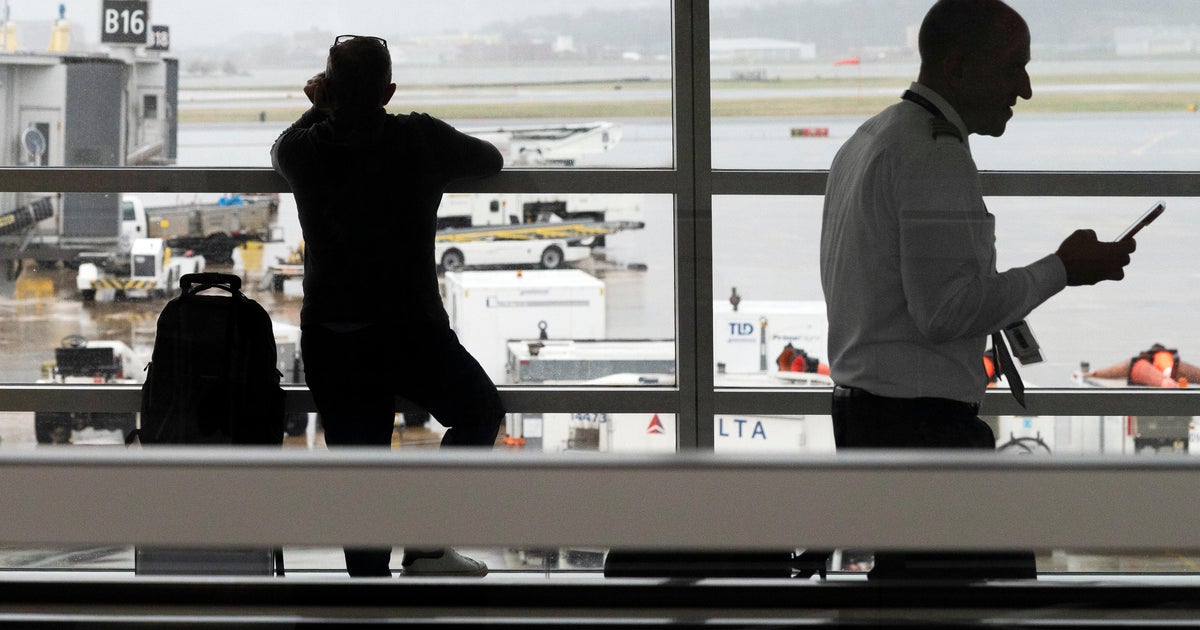
Powerful storms across the Midwest and Eastern Seaboard combined with staffing disruptions at TSA amid a partial federal government shutdown to produce widespread flight cancellations and delays. The shutdown, which began Feb. 14 and affects the Department of Homeland Security, has left TSA employees temporarily without pay and prompted more than 300 resignations and sharply higher call-out rates. As spring-break and March Madness travel increased passenger volume, airports including Chicago O'Hare, Atlanta Hartsfield-Jackson and New York's LaGuardia saw hundreds of cancellations and long delays. The FAA issued ground stops and delays at several major hubs because of severe weather and high winds. Travelers reported being stranded overnight in airports, paying unexpected lodging costs, and enduring long security lines. Union leaders and airport officials warned of mounting strain if the shutdown continues. Lawmakers remain deadlocked over Homeland Security funding tied to immigration policy changes following high-profile shootings earlier this year.
Biblical Reflection
Seen through Scripture, this story raises two related concerns: the vulnerability of ordinary workers and travelers when public systems fail, and the moral responsibility of leaders to pursue the common good. The storms themselves remind us of the created world's fragility and our dependence on God (Psalm 107:29–30). But the human-made element — a prolonged political impasse leaving essential workers unpaid and disrupting public services — calls for moral scrutiny. The Bible repeatedly defends just treatment of laborers and warns against systems that allow people's sustenance to be withheld (e.g., James 5:4). It also calls leaders to seek the welfare of those they serve (Jeremiah 29:7; Romans 13:1-7) and communities to bear one another's burdens (Galatians 6:2).
Practically, the article exposes how political brinkmanship can produce real suffering: workers facing eviction or repossession, travelers stranded or out-of-pocket, and public trust eroded. Christian virtue calls for compassion for TSA employees who continue to serve despite hardship — their sacrifice reflects Christlike service (Philippians 2:3–7). It also calls believers to advocate for just and timely solutions, care for those stranded (offering hospitality or assistance where possible), and to pray and work for leaders to choose the common good over partisan advantage. Politicizing essential services in ways that harm vulnerable people is inconsistent with Scripture’s repeated insistence to protect the needy and ensure justice for workers. At the same time, patience, wise stewardship (planning travel, supporting relief efforts), and constructive civic engagement are faithful responses while the crisis continues.
Scripture in context
This outlook does not yet include contextual Scripture citations. Do not treat a general biblical theme as an exegetical conclusion.
Faithful Response
No prescribed response is offered. Consider the reflection prompts below in your own church context.
Reflection and Discussion
- 1Who around me is bearing the cost of this disruption (workers, neighbors, travelers), and how might I offer practical help or advocacy?
- 2How does Scripture shape the way I judge leaders’ decisions when public policy produces harm — am I seeking justice and mercy rather than partisan advantage?
- 3What steps can I take to practice patience, hospitality, and service in the midst of avoidable suffering caused by human decisions?
Sources
Reporting links are evidence inputs; Sanctuary News' biblical reflection is commentary.
This outlook currently relies on fewer than two linked sources. Broaden verification before teaching from it.
- 1.Original reportprimary