News Summary
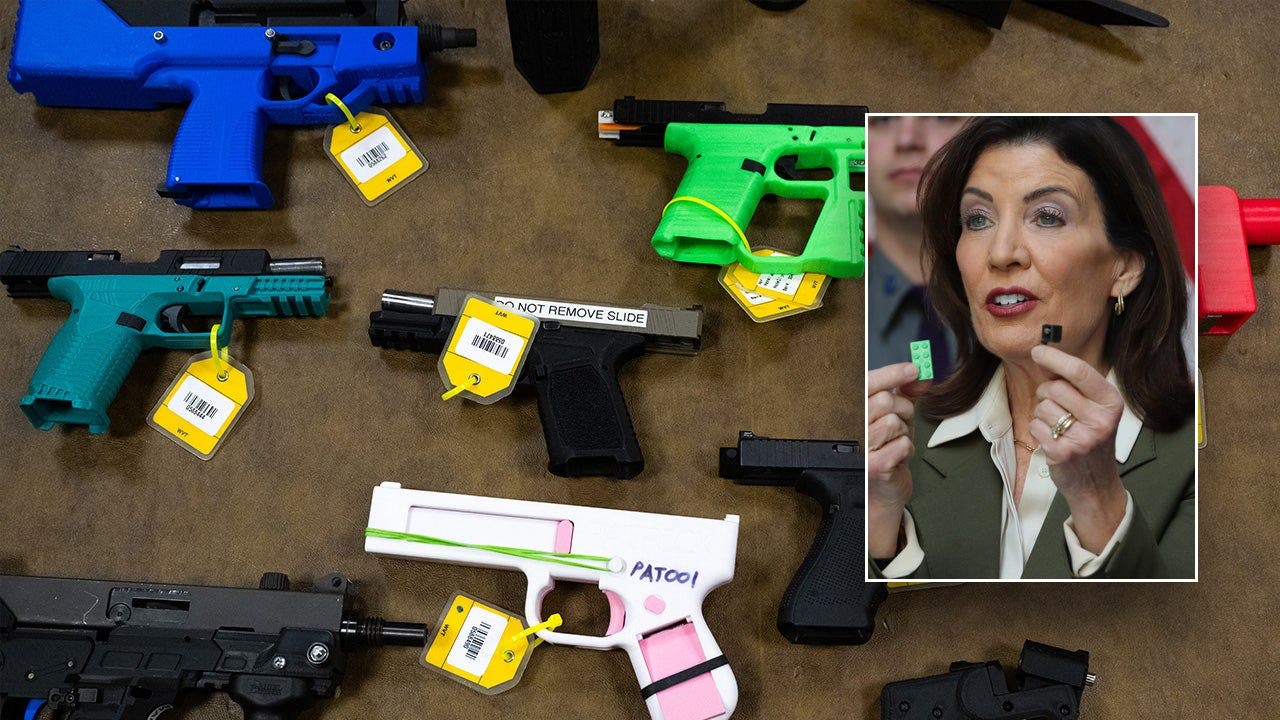
A growing number of U.S. states have passed or advanced laws restricting the possession, manufacture, or digital distribution of 3D-printed firearms and related blueprints. At least 16 states have enacted 3D-gun laws, with seven states adopting major legislation in 2026; recent actions include new restrictions in Colorado, New Jersey, Maine, New York, Virginia, Washington, and additional proposals in California that would require printers to block firearm files. Maine requires serial numbers on all firearms, New Jersey requires a firearms license to possess printing instructions, and other states restrict possession of unserialized weapons and constrain digital blueprints and devices. The ATF has warned about accessories like a small “Glock switch” that can convert a handgun to automatic fire. ATF data cited in the article reports over 27,000 3D-printed ghost guns recovered from crime scenes in January 2023 versus about 1,600 in January 2017. Advocates for stricter laws cite rising recoveries and safety risks, while gun-rights groups argue such laws violate the Second Amendment and do not address criminal behavior. Several state laws face constitutional litigation; the Third Circuit recently upheld a lower court ruling supporting New Jersey’s cease-and-desist against Defense Distributed, which intends to continue appeals and may seek Supreme Court review. A proposed Minnesota package failed to pass.
Biblical Reflection
This story sits at the intersection of public safety, rapidly advancing technology, and constitutional rights. The impulse to protect communities—especially schools and vulnerable populations—from weapons that can be made anonymously and cheaply is understandable and grounded in concrete evidence of increasing recoveries. At the same time, legal challenges reflect genuine constitutional questions about state power and individual liberties. Christian discernment calls us to weigh both concerns: uphold truth about harms that endanger neighbors, and exercise humility about heavy-handed responses that may unfairly burden law-abiding people or stifle legitimate technology. Beware of narratives that reduce complex social problems to single causes (guns alone or rights alone). Ethical public policy should seek justice and mercy together: reduce clear, demonstrable threats, pursue responsible regulation that is narrowly tailored and enforceable, and address underlying social failures—such as violence, alienation, and lack of pastoral and community support—that drive people to harm. Churches should neither be content with abstract debates nor partisan reflex; we can offer informed moral witness that centers neighbor-love, the protection of the vulnerable, and peaceful civic engagement.
Scripture in context
This outlook does not yet include contextual Scripture citations. Do not treat a general biblical theme as an exegetical conclusion.
Faithful Response
No prescribed response is offered. Consider the reflection prompts below in your own church context.
Reflection and Discussion
- 1Which voices are centered in this coverage—the victims, public safety officials, technologists, or rights advocates—and how does that shape our view of what should change?
- 2How does the availability of new technology challenge our previous legal and moral categories about ownership, responsibility, and public safety?
- 3Are proposed laws focused on reducing harm in practical, enforceable ways, or do they primarily express symbolic commitments that may drive polarization?
Sources
Reporting links are evidence inputs; Sanctuary News' biblical reflection is commentary.
This outlook currently relies on fewer than two linked sources. Broaden verification before teaching from it.
- 1.Original reportprimary