News Summary
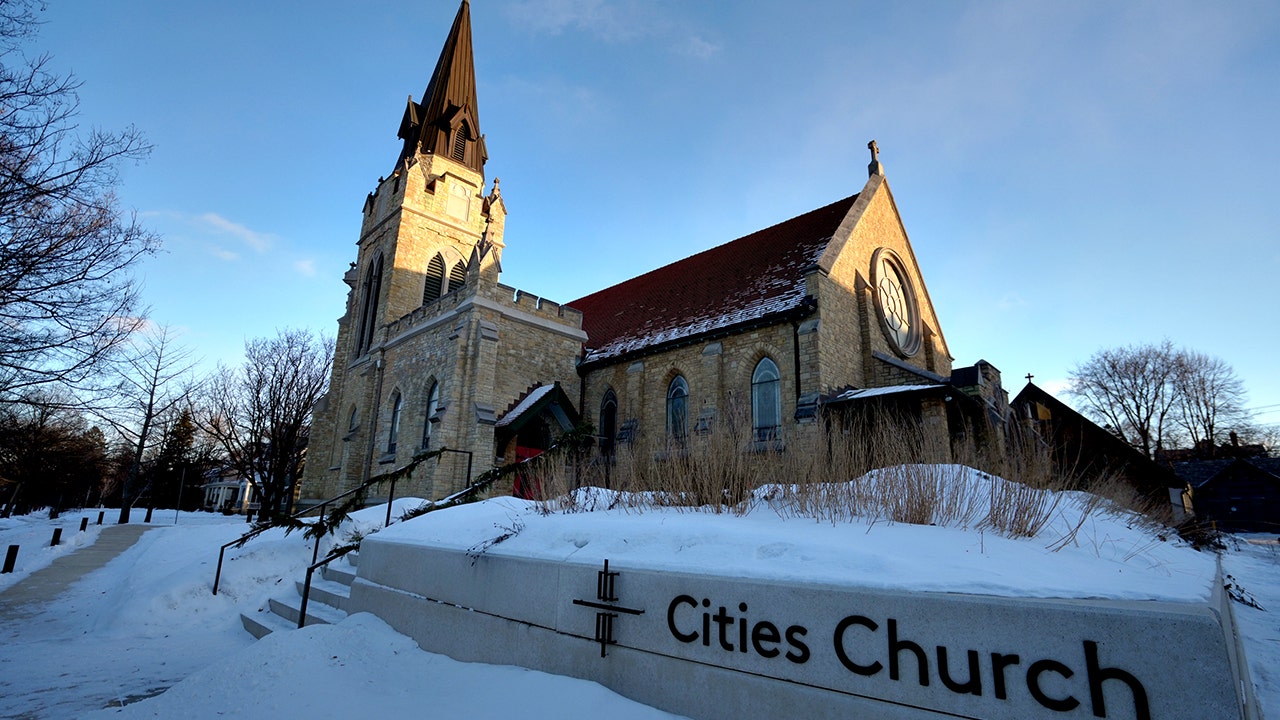
In mid‑January 2026 (Jan. 18–19), a group of anti‑ICE protesters entered and disrupted a worship service at Cities Church in St. Paul, Minnesota, chanting and accusing a pastor of involvement with federal immigration enforcement. The demonstrators did not, according to the city attorney, commit violence, cause property damage, or make threats during the disruption. On Wednesday, St. Paul City Attorney Irene Kao announced her office would not file state criminal charges, stating available video, investigative reports, and other materials did not meet Minnesota’s legal standard for prosecution. Church leaders criticized the decision, arguing the disruption violated laws protecting worship. Separately, federal prosecutors have charged 39 people, including journalist Don Lemon and another independent journalist, with civil‑rights violations related to the disruption; those federal cases remain pending. Attorneys for the church contend the absence of physical damage does not preclude criminal liability; Kao emphasized the decision should not be read as endorsement of unlawful behavior and framed it as a balancing of the rights to protest and to religious exercise.
Biblical Reflection
This story sits at the intersection of competing civic goods Christians care about: the pursuit of justice for the vulnerable, the right to peaceful protest, and the protection of communal worship. Objectively, the city prosecutor applied the criminal‑law standard available under state statutes and declined prosecution for lack of sufficient evidence; federal charges continue, showing different legal thresholds and jurisdictions can yield different outcomes. Readers should note the article’s framing (strong quotes from the pastor and language like “agitators”) leans toward sympathy for the church and portrays the prosecutor’s decision as permissive; that framing may simplify legal nuance and inflame partisan loyalties. From a pastoral perspective, Christians should resist quick moral certainty. Defending congregational worship and public order is important, but so is listening to claims of those harmed by enforcement actions and ensuring responses pursue truth, due process, and mercy. We should advocate for accountability where laws are broken, promote nonviolent avenues for protest, and avoid allowing partisan identity to override Christian commitments to justice and neighbor‑love.
Scripture in context
This outlook does not yet include contextual Scripture citations. Do not treat a general biblical theme as an exegetical conclusion.
Faithful Response
No prescribed response is offered. Consider the reflection prompts below in your own church context.
Reflection and Discussion
- 1Which rights are being balanced here (religious exercise, free speech, public order), and how does awareness of legal standards change how we evaluate the prosecutor’s decision?
- 2How does the article’s language and choice of sources shape sympathy for one side, and what evidence is missing that would help form a clearer view?
- 3Are we tempted to treat legal outcomes as final moral verdicts, or can we hold legal uncertainty while pursuing peaceful truth‑seeking and care for those affected?
Sources
Reporting links are evidence inputs; Sanctuary News' biblical reflection is commentary.
This outlook currently relies on fewer than two linked sources. Broaden verification before teaching from it.
- 1.Original reportprimary