News Summary
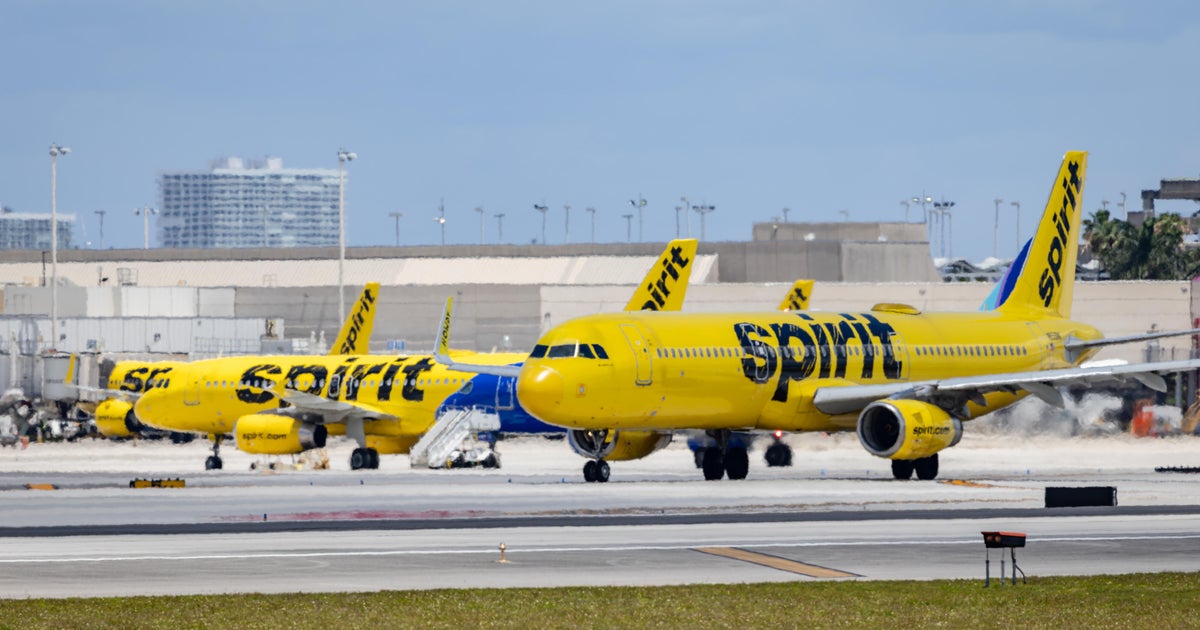
Spirit Airlines parent Spirit Aviation Holdings announced an immediate, orderly wind-down of operations after failing to secure a proposed $500 million federal bailout. The airline canceled all flights and asked customers not to go to airports; it said refunds would be automatically processed for tickets purchased by credit or debit card and provided an information website. Spirit had filed for bankruptcy twice since 2024 (first in November 2024, again in August 2025) and had previously cut about 4,000 jobs and some routes. The company said a sudden and sustained rise in jet fuel prices linked to the Iran war, along with other business pressures, depleted cash reserves and undermined a prior restructuring plan agreed with bondholders in March 2026. The proposed bailout discussed with the Trump administration would have given the U.S. government a 90% stake; some bondholders (including Citadel and Ares Management) opposed the deal. Spirit CEO Dave Davis thanked the Trump administration and Commerce Secretary Howard Lutnick for efforts to preserve jobs. The White House declined a last-ditch effort to save the airline, and President Trump said any bailout would need to be a “good deal.” Spirit operated to more than 40 U.S. cities with a hub in Fort Lauderdale and served destinations in the Caribbean and Central and South America.
Biblical Reflection
This story presents an intersection of corporate failure, investor decisions, government intervention, and global events (rising fuel costs due to war). From a Christian perspective, several concerns stand out: the human cost — thousands of employees and their families suddenly facing economic uncertainty — calls for compassion and prayer (Matthew 25:35–40; Galatians 6:2). At the same time, Scripture values wise planning and stewardship (Proverbs 21:5); businesses, investors, and leaders share responsibility to manage risk and plan for downturns. The article largely reports facts but foregrounds the political angle (the Trump administration bailout offer and the proposed 90% government stake), which can invite partisan reading. Readers should note that the piece names multiple actors — bondholders, executives, and the government — any of whom had incentives shaping their choices. A balanced, truth-seeking response resists simplified blame: market shocks (fuel prices) can precipitate crisis, but corporate strategy, investor decisions, and public policy options also matter. Spirit’s liquidation raises ethical questions about how corporations prioritize short-term returns versus resilient stewardship of workforce and communities, and about the proper boundary between private enterprise and government rescue. Christians should hold compassion for affected workers and seek facts before adopting partisan narratives; prayerful advocacy for fair treatment of displaced workers and honest accountability for corporate and investor decisions is appropriate.
Scripture in context
This outlook does not yet include contextual Scripture citations. Do not treat a general biblical theme as an exegetical conclusion.
Faithful Response
No prescribed response is offered. Consider the reflection prompts below in your own church context.
Reflection and Discussion
- 1Whose interests are centered in the article’s framing — shareholders, bondholders, employees, taxpayers, or political actors — and how does that affect which facts receive emphasis?
- 2What assumptions about the role of government in rescuing private companies are present, and how should Christians weigh compassion for workers against principles of accountability and stewardship?
- 3How does the linkage of a global event (rising fuel prices tied to war) to a local economic collapse shape our understanding of responsibility and the need for prudent planning?
Sources
Reporting links are evidence inputs; Sanctuary News' biblical reflection is commentary.
This outlook currently relies on fewer than two linked sources. Broaden verification before teaching from it.
- 1.Original reportprimary