News Summary
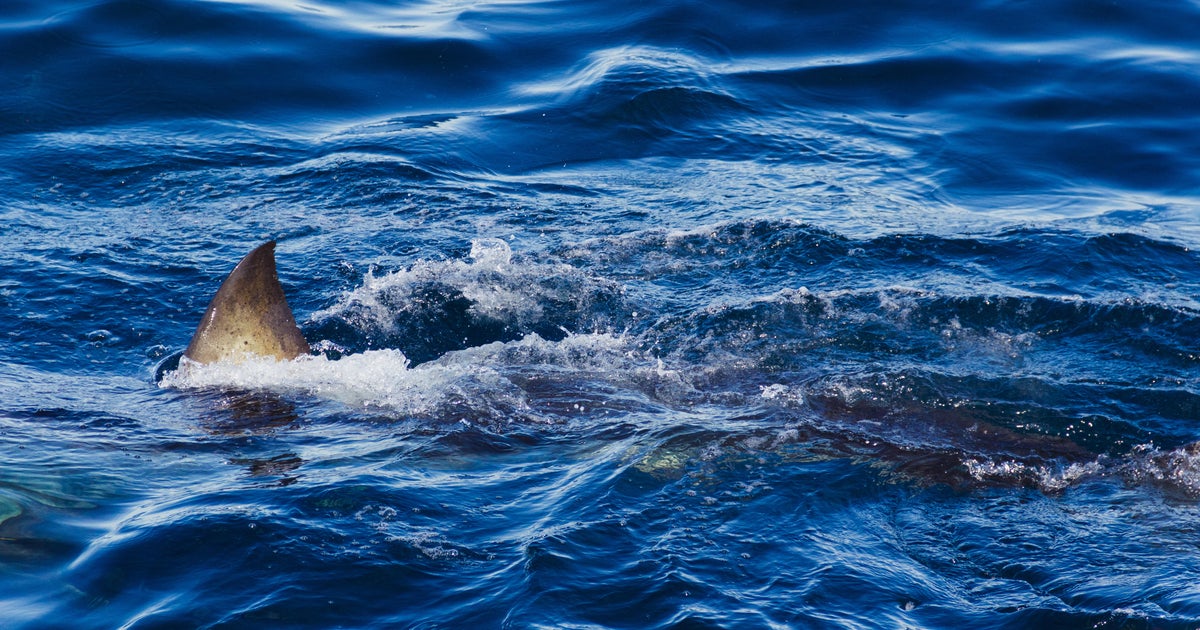
A 35-year-old man spearfishing with family off Michaelmas Island near Albany, Western Australia, was fatally attacked by a shark on Saturday and died after being brought to shore; police suspect a roughly 15-foot great white. This is the third fatal shark attack in Australia within four weeks: on May 16 a 38-year-old spearfisher was killed northwest of Albany (reported as a 13-foot white shark), and on May 24 a 39-year-old spearfisher suffered fatal head injuries on the Great Barrier Reef (bull sharks reported nearby). A January fatality involved a 12-year-old boy mauled by a bull shark in Sydney Harbor. Local fishermen and authorities note increased shark activity tied to seasonal fish movements (sardine and salmon runs), murky waters after rains, and possible changes in shark migration linked to crowding and rising ocean temperatures. The International Shark Attack File records over 1,280 shark incidents around Australia since 1791, including more than 250 fatal incidents.
Biblical Reflection
This report is straightforwardly factual in its core details: deaths, locations, dates, and likely species. The coverage understandably highlights the human tragedy, and that emphasis can create fear; readers should remember that fatal shark encounters remain rare relative to ocean visits. The piece points to scientific explanations—seasonal prey movements, murky water, and shifting migrations linked to warming seas—which merit further attention rather than simple villainization of animals. From a Christian pastoral perspective, the immediate response should be compassion for grieving families and communities and practical care for neighbors (support, clear safety guidance, and policy responses). At the same time, Christians are called to steward creation responsibly: that includes seeking policies and practices that reduce dangerous encounters without demonizing wildlife. The article invites sober courage—not panic—combined with humility about human limits and a willingness to weigh public safety, scientific guidance, and ecological stewardship together.
Scripture in context
This outlook does not yet include contextual Scripture citations. Do not treat a general biblical theme as an exegetical conclusion.
Faithful Response
No prescribed response is offered. Consider the reflection prompts below in your own church context.
Reflection and Discussion
- 1Does the way this story is framed push us toward fear or toward informed safety measures rooted in science?
- 2Are we inclined to treat wildlife as enemies rather than part of God’s created order that also needs wise stewardship?
- 3How should communities balance protecting human life, supporting grieving families, and preserving marine ecosystems?
Sources
Reporting links are evidence inputs; Sanctuary News' biblical reflection is commentary.
This outlook currently relies on fewer than two linked sources. Broaden verification before teaching from it.
- 1.Original reportprimary