News Summary
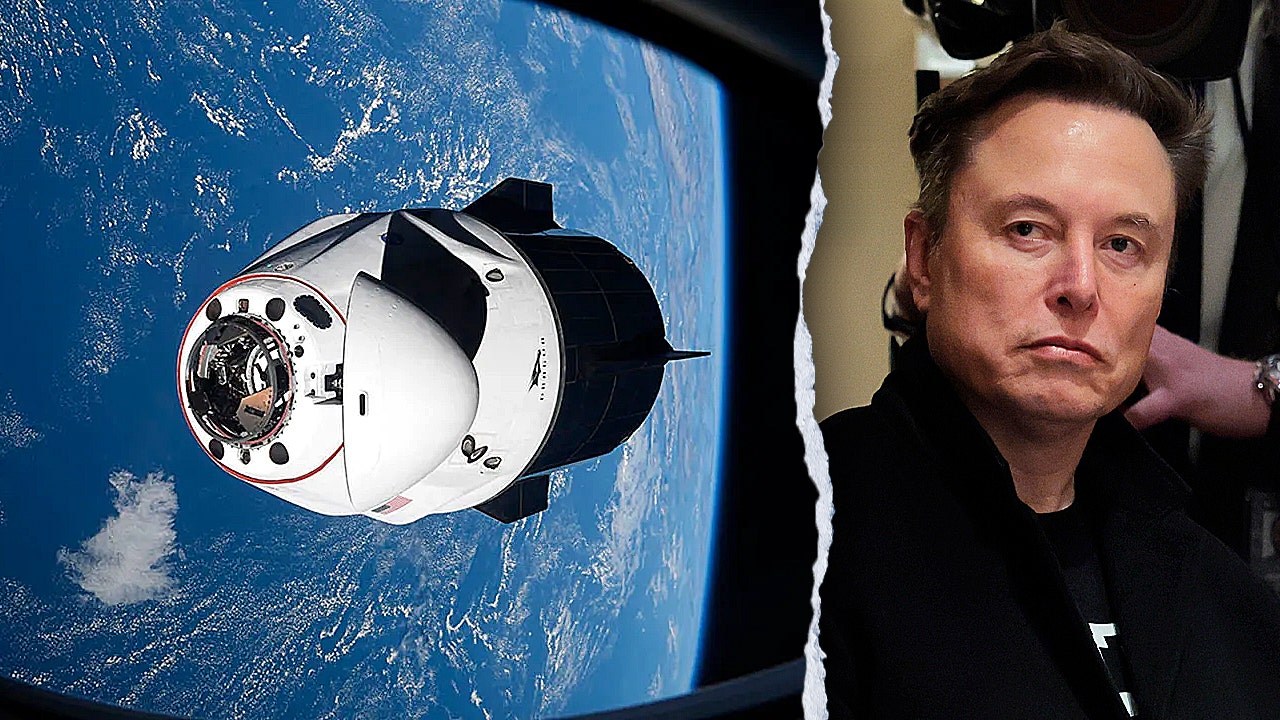
This is an opinion piece arguing that when SpaceX went public on June 12, 2026, Elon Musk became the world’s first trillionaire on paper and that his wealth was earned through entrepreneurship and innovation. The column recounts Musk’s immigrant background and highlights companies he helped build or lead (PayPal, Tesla, SpaceX, Starlink, Neuralink, AI initiatives), credits him with lowering launch costs, accelerating electric vehicle adoption, and expanding internet access, and notes periods when his ventures nearly failed. The author contends the U.S. environment of capital access, talent recruitment, and economic freedom enabled these achievements and rejects the claim that Musk’s wealth indicates broken capitalism. The piece responds to critics (named generically) who question the morality of extreme wealth and frames the milestone as evidence of American opportunity. It is published as Fox News opinion and is authored by Ted Jenkin.
Biblical Reflection
As Christians, we should read this as a mix of fact and advocacy. Many factual claims — the SpaceX IPO, Musk’s corporate roles, and the technological impacts cited — are verifiable, but the piece is explicitly opinionated and selectively frames those facts to support a particular view of capitalism and merit. The article rightly celebrates creativity, risk-taking, and the flourishing that can come from innovation — themes compatible with biblical praise for human creativity and the dignity of work. At the same time it downplays or omits important moral questions: how concentrated wealth affects public life, the duties of the wealthy to their neighbors, possible harms or externalities from corporate power, tax and regulatory responsibilities, and the lived experience of workers or communities affected by rapid change. Christians should neither reflexively idolize success nor reflexively condemn wealth; rather, we should hold truth with humility, honor courage and industriousness, and insist on mercy and justice where power concentrates. This article’s worldview privileges individual achievement and market outcomes; a Christian reading invites us to pair that with questions about stewardship, accountability, and care for the vulnerable.
Scripture in context
This outlook does not yet include contextual Scripture citations. Do not treat a general biblical theme as an exegetical conclusion.
Faithful Response
No prescribed response is offered. Consider the reflection prompts below in your own church context.
Reflection and Discussion
- 1Does the article equate financial success with moral goodness, and what voices or harms are missing from that equation?
- 2Which assumptions about how prosperity is created and distributed does this piece take for granted, and how might those assumptions shape public policy or church teaching?
- 3How should Christians balance honoring ingenuity with calling for accountability, stewardship, and care for those left behind by rapid technological change?
Sources
Reporting links are evidence inputs; Sanctuary News' biblical reflection is commentary.
This outlook currently relies on fewer than two linked sources. Broaden verification before teaching from it.
- 1.Original reportprimary