News Summary
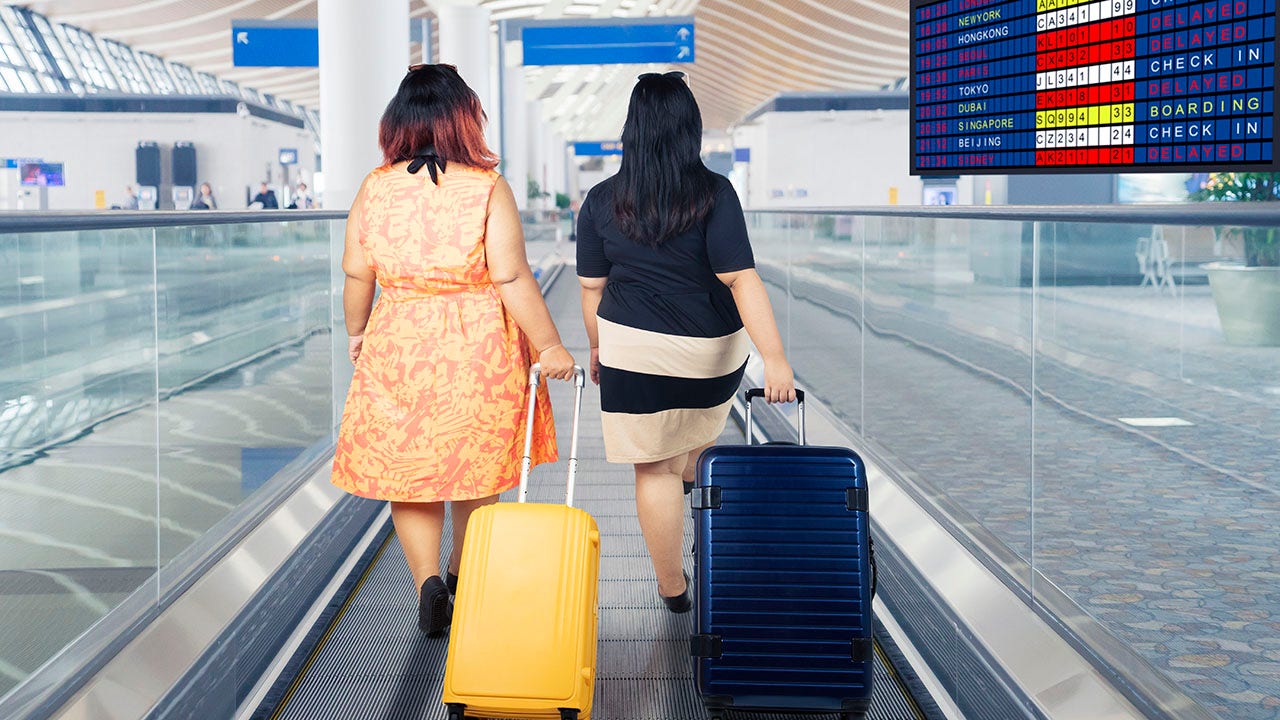
Southwest Airlines implemented a updated "customer of size" policy, effective Jan. 27, that asks passengers who require extra space to purchase a second seat in advance. The airline says gate agents may require a passenger to buy an additional seat at their discretion for safety and overall passenger comfort, and that armrests mark seat boundaries. If a second seat is bought at the airport, travelers must pay the same‑day fare, which can be higher than their original ticket price. The policy has generated viral debate on TikTok and Instagram: some travelers say the rule is practical and fair to other passengers; others describe interactions with gate agents as inconsistent, humiliating, or anxiety‑inducing. Southwest states the policy is posted on its website, aligns with industry standards, and that customers who anticipate needing more than one seat should notify the airline in advance. The article cites specific social media posts and comments on both sides of the issue but does not present systematic data on frequency of enforcement, safety incidents, or formal complaints.
Biblical Reflection
From a Christian perspective, this story raises tensions between legitimate safety and fairness concerns and the imperative to treat every person with dignity. Policies that protect safety and the comfort of many passengers can be wise and orderly (Proverbs 11:14, Proverbs 24:6), but enforcement that feels arbitrary or shaming harms human dignity and wounds the vulnerable. The media coverage and social media posts tend to emphasize polarizing anecdotes—either humiliating encounters or relief at clearer rules—without exploring missing voices (e.g., disabled travelers, advocacy groups, frontline agents, or data on safety incidents). Be cautious of narrative shortcuts: portraying the policy solely as commonsense ignores how uneven implementation can create humiliation; portraying it solely as discriminatory ignores legitimate safety and space constraints. Biblically-minded discernment calls us to insist on clarity, consistent application, and compassionate communication. Christians should be alert to two dangers in the public conversation: (1) allowing a consumerist or efficiency-first mindset to override compassion for persons made in God's image, and (2) allowing identity‑based shaming or political signaling to replace careful evaluation of facts and motives. The faithful response is to advocate for policies that balance safety and order with respect, clear communication, and reasonable accommodations where appropriate.
Scripture in context
This outlook does not yet include contextual Scripture citations. Do not treat a general biblical theme as an exegetical conclusion.
Faithful Response
No prescribed response is offered. Consider the reflection prompts below in your own church context.
Reflection and Discussion
- 1Whose voices are centered in this coverage (social media complainants, praising commenters, airline spokespeople) and whose perspectives are missing (disability advocates, frontline staff, data on incidents)?
- 2Does the framing prioritize efficiency and comfort over human dignity, or does it legitimately balance safety and fairness—and how would transparent criteria and compassionate communication change that balance?
- 3Am I quick to accept a viral anecdote as representative, or do I look for broader facts and call for consistent, humane policies that protect everyone?
Sources
Reporting links are evidence inputs; Sanctuary News' biblical reflection is commentary.
This outlook currently relies on fewer than two linked sources. Broaden verification before teaching from it.
- 1.Original reportprimary