News Summary
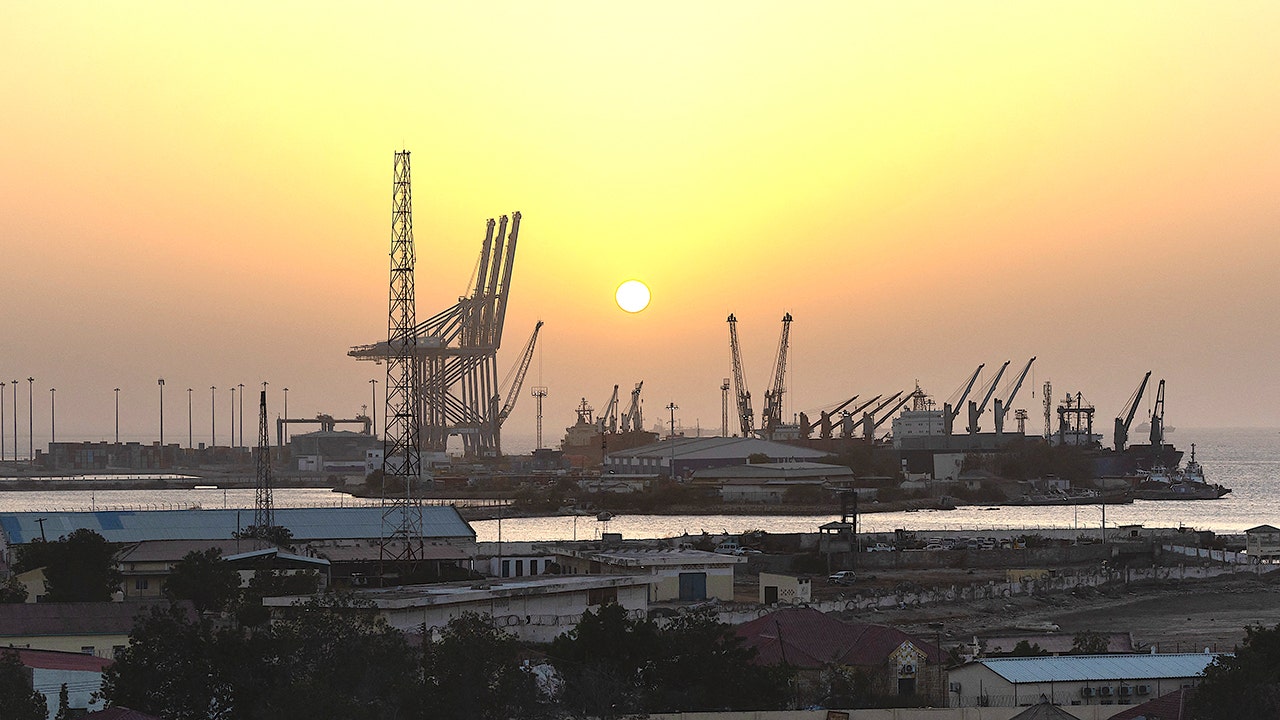
Somaliland has offered the United States access to its deep-water port and airfield at Berbera. U.S. Africa Command (AFRICOM) commander Gen. Dagvin Anderson and other senior U.S. military officials visited Hargeisa and Berbera on Nov. 26, 2025, and reportedly inspected the facilities. Somaliland public communications highlight Berbera’s deep-water port and a long runway originally built as a NASA emergency site. The offer and visits come amid heightened regional tensions: disruptions to shipping in the Red Sea and Bab el-Mandeb Strait by Iran-backed Houthi forces and a partial closure of the Strait of Hormuz have shifted oil and commercial shipping routes. The U.S. already operates a base in Djibouti; analysts quoted in the article say Djibouti is increasingly reluctant to support U.S. enforcement of sanctions on the Houthis, and Somaliland could provide an alternative location to project sea- and air-power in the region. Recognition of Somaliland is politically sensitive. The U.S. State Department reiterated that the United States recognizes the sovereignty and territorial integrity of the Federal Republic of Somalia. Israel recognized Somaliland last year. Former President Trump reportedly said his administration was “looking into” recognition and other proposals involving Somaliland. U.S. military spokespeople stated the U.S. is not seeking new basing publicly, but analysts note repeated AFRICOM delegations to Hargeisa and say unofficial discussions may be ongoing. Experts warn that U.S. recognition or basing arrangements could strain relations with other regional U.S. allies such as Saudi Arabia and Egypt. Somaliland declined to comment for the article.
Biblical Reflection
This story is primarily framed around strategic and security calculations: access to a port and airfield to counter threats to commercial shipping and to provide an alternative to bases viewed as less cooperative. From a Christian perspective, several themes merit attention. First, the article reflects a realpolitik worldview—prioritizing security, alliances, and strategic advantage—which is not inherently wrong but can obscure the human and ethical dimensions of decisions about military presence and recognition. Scripture urges leaders to pursue wisdom, justice, and peace (e.g., Proverbs, Matthew 5:9). Questions of sovereignty, the consequences for regional stability, and the welfare of civilians affected by conflict are underemphasized in a purely strategic account. The piece also contains implicit bias toward securitization: it privileges military solutions and official strategic voices while giving less space to Somali federal authorities, local civil society, humanitarian concerns, and regional diplomatic consequences. Christians are called to be discerning: support for measures that protect innocents and promote stability can be consistent with biblical teaching, but so is caution about actions that escalate conflict, undermine legitimate authority, or alienate potential partners without pursuing reconciliation. Pray for wisdom for policymakers to balance security needs with justice and peacemaking, for protection of civilians impacted by maritime and regional conflict, and for honest, transparent engagement that includes local and regional stakeholders.
Scripture in context
This outlook does not yet include contextual Scripture citations. Do not treat a general biblical theme as an exegetical conclusion.
Faithful Response
No prescribed response is offered. Consider the reflection prompts below in your own church context.
Reflection and Discussion
- 1What assumptions about security, sovereignty, and diplomatic cost does this article take for granted, and whose perspectives are missing from the narrative?
- 2Does the framing prioritize a short-term strategic foothold over long-term regional stability and justice for civilians affected by conflict?
- 3How should Christians weigh support for measures that protect shipping and civilians against the risks of militarizing relationships and sidelining diplomatic solutions?
Sources
Reporting links are evidence inputs; Sanctuary News' biblical reflection is commentary.
This outlook currently relies on fewer than two linked sources. Broaden verification before teaching from it.
- 1.Original reportprimary