News Summary
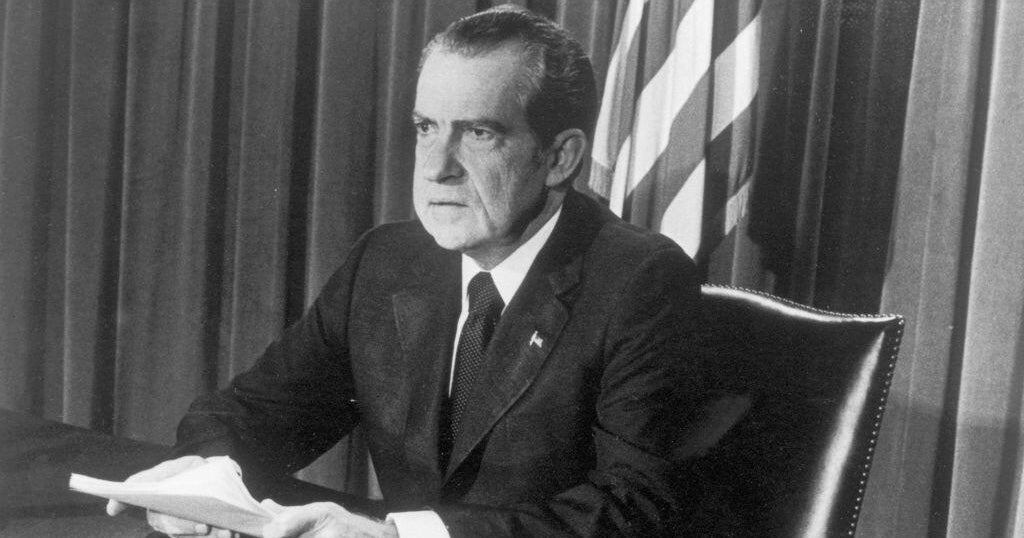
The article lists six presidential speeches the author considers highly influential in U.S. history. It summarizes: George Washington's Farewell Address (written in 1796, circulated via press, set the two‑term precedent and warned about partisan factionalism); James Monroe's 1823 message to Congress that became known as the Monroe Doctrine opposing European intervention in the Western Hemisphere; Abraham Lincoln's 1863 Gettysburg Address honoring Civil War dead and reframing the conflict as a defense of democratic government; Franklin D. Roosevelt's 1933 first inaugural address, which candidly described the Great Depression, coined the line about fearing fear itself, and introduced New Deal leadership and expanded executive action; Lyndon B. Johnson's 1965 speech to Congress after the Selma attacks calling for the Voting Rights Act and greater protection for Black Americans' voting rights; and Richard Nixon's 1974 televised resignation speech in the wake of Watergate, in which he framed his departure as placing the nation's interest first. The piece notes historical outcomes tied to the speeches (e.g., the Voting Rights Act, Presidential two‑term tradition, Gettysburg as a turning point), and references ongoing cultural memory and use of these speeches in public life.
Biblical Reflection
These speeches show how words by national leaders can shape law, policy, moral memory, and public identity—sometimes to advance justice, sometimes to justify expansion of power, and sometimes to acknowledge failure and enable accountability. From a Christian perspective, the article rightly highlights moments when leaders appealed to unity, truth, and the common good (Washington's call against factionalism, Lincoln's sacrificial framing, FDR's honest leadership, and Johnson's push for voting rights). At the same time, textual celebration of speeches can flatten complex consequences: Monroe’s doctrine later supported interventionist policies; executive expansions in crises require vigilance lest legitimate stewardship slip into overreach; and rhetoric can obscure action or moral failure, as in Watergate. The worldview behind the article is largely civic‑commemorative—valorizing rhetorical moments that produced lasting political effects—while not deeply interrogating unintended harms or the moral character behind the rhetoric. Christians should both appreciate the power of truthful, humble leadership and remain critical of speeches that become instruments of domination, fear, or unaccountable authority. Truth requires attending both to what leaders say and what their words lead to; mercy and justice call Christians to hold leaders accountable while seeking reconciliation where wrongs have been done.
Scripture in context
This outlook does not yet include contextual Scripture citations. Do not treat a general biblical theme as an exegetical conclusion.
Faithful Response
No prescribed response is offered. Consider the reflection prompts below in your own church context.
Reflection and Discussion
- 1When a presidential speech is praised for rhetorical power, how should Christians weigh the speech's moral content against the policies it enabled?
- 2Do we honor the memory of national speeches because of their words alone, or because those words led to justice, repentance, or tangible protection for neighbors?
- 3How can Christian discernment distinguish between calls to courage and unity that serve the common good and rhetoric that masks political overreach or injustice?
Sources
Reporting links are evidence inputs; Sanctuary News' biblical reflection is commentary.
This outlook currently relies on fewer than two linked sources. Broaden verification before teaching from it.
- 1.Original reportprimary