News Summary
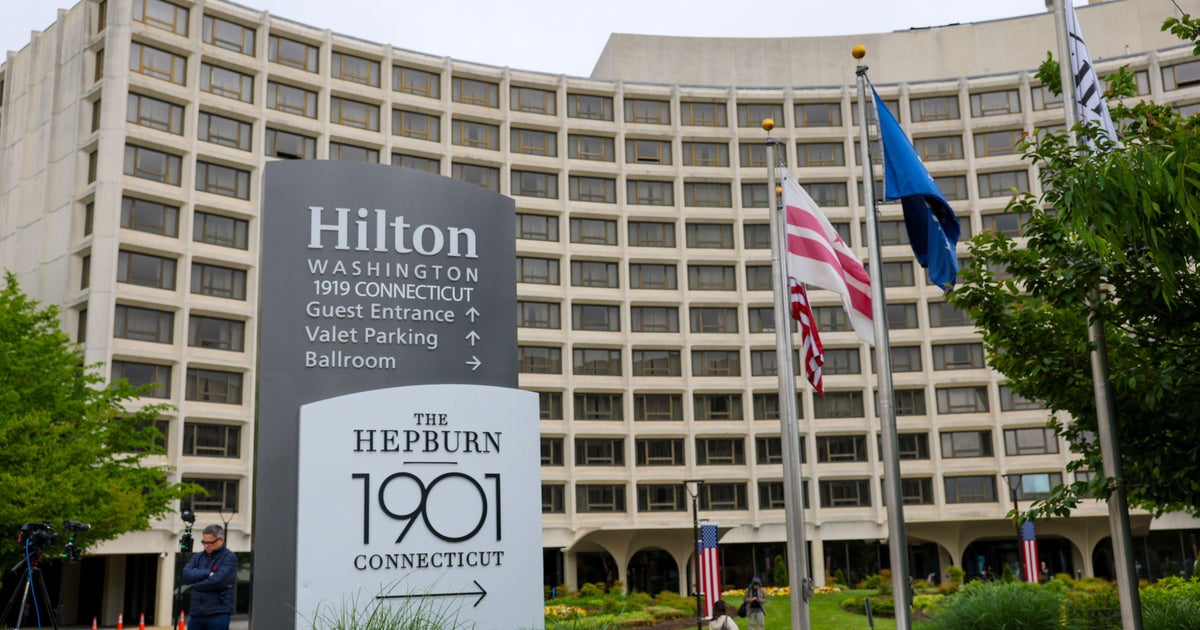
On the night of the White House Correspondents' Association Dinner at the Washington Hilton, shots were fired in the hotel's ballroom while President Donald J. Trump was present. Authorities allege Cole Tomas Allen attempted to rush through a magnetometer into the ballroom carrying a pump-action shotgun and a .38 caliber pistol; an affidavit and an alleged manifesto identify administration officials as targets. No detailed casualty report is provided in the article. The story recalls the March 30, 1981 assassination attempt on President Ronald Reagan outside the same hotel by John Hinckley Jr., which wounded press secretary James Brady, a D.C. police officer, and a Secret Service agent, and led to multiple changes in presidential security procedures (including the use of magnetometers and construction of a secure entrance at the Hilton). The article notes this was described as the third alleged attempt on Mr. Trump, citing two previous cases: Ryan Routh (sentenced to life for a 2024 plot) and Thomas Crooks (who wounded Mr. Trump’s ear in July 2024). The piece recounts historical details about the Hilton’s design to accommodate presidents, Reagan’s reaction and later return to the hotel, Hinckley’s not-guilty-by-reason-of-insanity verdict and its legal consequences (Insanity Defense Act of 1984), and Mr. Trump’s statement that the Correspondents' Dinner should be rescheduled within 30 days with increased security. Reporters assembled in the White House briefing room after the incident.
Biblical Reflection
From a Christian lens, this story surfaces several spiritual and practical truths. First, it exposes the brokenness of the human heart and the recurring reality of violence and attention-seeking sin: several alleged attempts on a sitting or former president reflect anger, ideological extremism, mental illness, or a desire for notoriety. Scripture calls such violence contrary to the sanctity of life and the common good. Second, the article highlights the tension between openness (presidential accessibility, public events) and wise stewardship of safety; Christians should weigh both values—hospitality and courage, and the responsibility to protect innocents. Third, the piece may incline toward dramatizing continuity with past trauma (the Reagan attempt) — a historically relevant comparison but one that can amplify fear or imply inevitability. Readers should note how historical parallels can shape emotional response and political framing. Fourth, the brief attention to Reagan’s prayer for Hinckley models Christian responses of compassion and prayer for enemies; the faith calls for justice and public safety while also upholding mercy and the call to pray for those who harm others (see Matthew 5). Finally, Christians should be wary of letting partisan narratives dominate their assessment: condemn and oppose violence regardless of political targets, advocate for sober, evidence-based public safety measures, and pray for victims, for those who perpetrate harm, and for civic leaders. In all, the biblical call is to pursue peace, seek justice, care for the vulnerable, and pray for enemies even as communities pursue lawful protection.
Scripture in context
This outlook does not yet include contextual Scripture citations. Do not treat a general biblical theme as an exegetical conclusion.
Faithful Response
No prescribed response is offered. Consider the reflection prompts below in your own church context.
Reflection and Discussion
- 1How does the article's historical framing (linking the incident to the 1981 Reagan shooting) shape your emotional response and perception of risk—does it clarify facts or amplify fear?
- 2In what ways might media and political actors use episodes of political violence to advance narratives that serve partisan aims rather than public safety, and how can you test those narratives against evidence?
- 3How does this event challenge the church's posture toward public life—balancing advocacy for security and the rule of law with the biblical call to pray for enemies and show compassion to those who have sinned?
Sources
Reporting links are evidence inputs; Sanctuary News' biblical reflection is commentary.
This outlook currently relies on fewer than two linked sources. Broaden verification before teaching from it.
- 1.Original reportprimary