News Summary
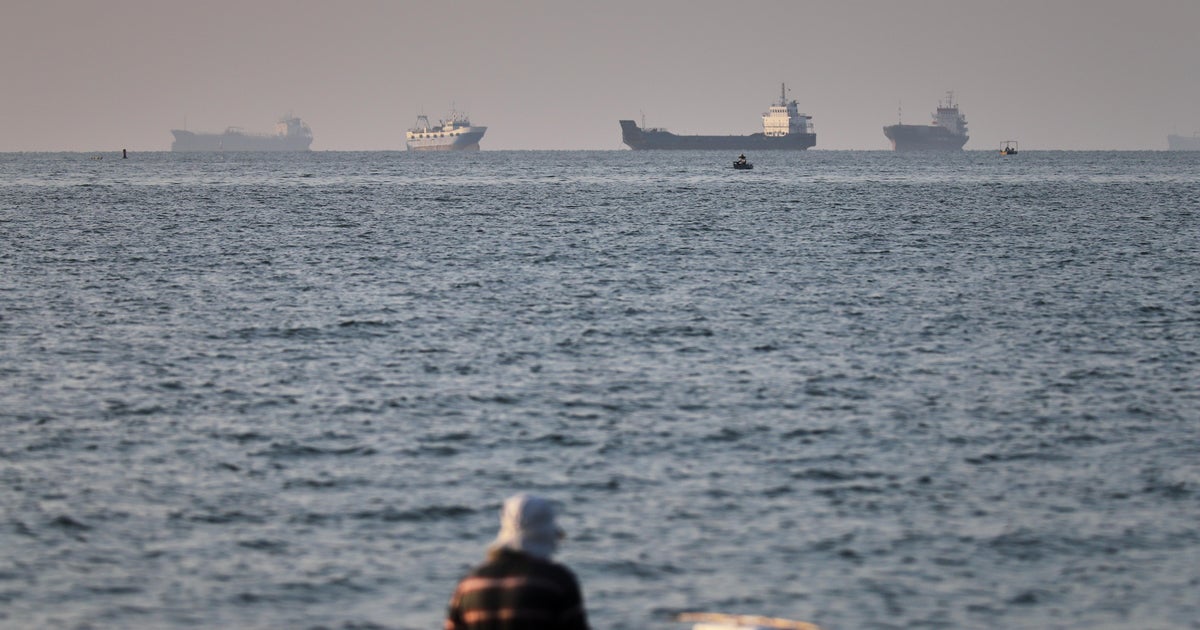
The U.S. and Iran are set to sign a memorandum of understanding in Switzerland that would formally lift restrictions each had placed on traffic in the Strait of Hormuz. President Trump publicly announced the reopening and removal of a U.S. naval blockade, calling the route “safe” and urging tankers to resume transits. Despite that announcement, multinational maritime authorities and a Joint Maritime Information Center warned the blockade and a “SEVERE” maritime security threat level would remain in effect until the ceasefire is executed. Major shipping companies and industry groups — including Lloyd’s List, BIMCO, Mitsui OSK Lines, Hapag-Lloyd, and Maersk — say they view the route as still too risky and will not resume normal operations until they see concrete, material security improvements and official, verifiable assurances. Market reaction to the announcement included a rally in equities and about a 5% drop in crude prices. Public ship-tracking shows some repositioning of empty vessels and a few transits, but traffic remains far below pre-war levels (around 135 ships per day). Concerns include remaining Iranian mines (industry sources estimate 40–50 days to clear) and lack of published agreement text; marine insurers have not yet reduced elevated premiums and say they will wait for solid evidence of improved safety.
Biblical Reflection
The story highlights a tension between political signaling and on-the-ground practical certainty. Public leaders may emphasize swift normalization for economic and political reasons, but industry experts, insurers, and multinational security bodies are guided by operational risk and verifiable facts. From a Christian perspective, prudence and truth-telling matter: assurances that prioritize optimism or political advantage over clear evidence risk endangering seafarers and consumers who depend on stable energy supplies. The article reveals competing worldviews — one that trusts high-level diplomatic statements and rapid reopening, and another that insists on demonstrated safety, liability management, and care for vulnerable workers. Christians should press for honesty, transparency, and measures that protect human life and the common good (including realistic mine-clearing timelines, independent verification, and fair insurance practices). At the same time, Christians can pray and work for peace and reconciliation that reduces the need for such risky chokepoints to be weaponized.
Scripture in context
This outlook does not yet include contextual Scripture citations. Do not treat a general biblical theme as an exegetical conclusion.
Faithful Response
No prescribed response is offered. Consider the reflection prompts below in your own church context.
Reflection and Discussion
- 1Whose safety and financial interests are most affected by optimistic public declarations about reopening a dangerous maritime chokepoint?
- 2What kinds of independent verification should Christians trust when political statements and expert risk assessments conflict?
- 3How does our concern for global neighbors shape how we evaluate claims about economic recovery when basic safety remains uncertain?
Sources
Reporting links are evidence inputs; Sanctuary News' biblical reflection is commentary.
This outlook currently relies on fewer than two linked sources. Broaden verification before teaching from it.
- 1.Original reportprimary