News Summary
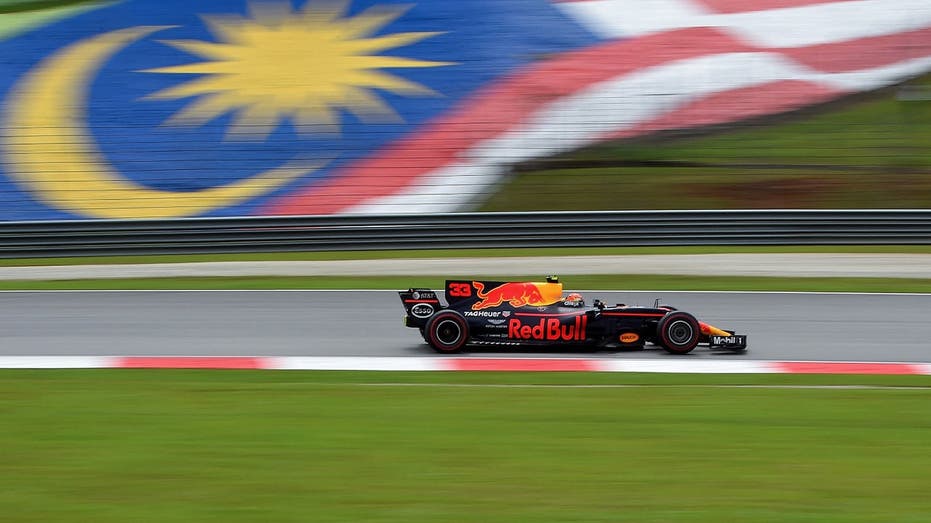
Reported facts: The article states that Formula 1 races in Bahrain and Saudi Arabia were canceled because of the Middle East conflict and that Malaysia’s Sepang Circuit is being discussed as a possible replacement on the F1 calendar. Attributed claims: The piece describes Sepang as a "former fan-favorite" and characterizes its potential return as a "shock" development; those are journalistic assessments attributed to the article's framing, not to named officials. Uncertainty: The article does not provide official confirmation from Formula 1 management, the Sepang circuit, or governmental authorities, and it presents Sepang’s return as a possibility rather than a firm decision.
Source and Framing Analysis
The reporting comes from a single entertainment/sports outlet and frames the situation primarily in terms of disruption to the F1 calendar and the excitement of a possible circuit return. The article provides no quoted official statements from Formula 1, national organizers, or security assessments, leaving material uncertainty about who has proposed Sepang as a replacement and whether any logistics, contracts, or safety clearances are in place. The lack of human-focused reporting (victim impact, displaced civilians, regional security analysis) shapes the story toward sports drama rather than humanitarian consequence.
Biblical Reflection
This story sits at the intersection of sport and human conflict. On the factual side, sporting events depend on regional stability; when violent conflict disrupts safety or diplomatic conditions, organizers may cancel or relocate events. But the article’s emphasis on a 'shock' sporting comeback risks treating human suffering and geopolitical instability primarily as logistical inconveniences for entertainment.
From a Christian perspective we should hold two priorities together: truthful attention to how war affects ordinary lives, and compassionate concern for those who suffer. It is appropriate to note how communities and local economies are affected by the loss or return of major events, but we should not allow sporting schedules to displace the moral seriousness of war’s casualties and displacement. Articles that foreground the prospect of a racetrack’s comeback while giving little sense of the human cost reveal a worldview that privileges leisure and spectacle over neighbor-love and justice.
Practically, Christians can pray for peace, seek reliable information about the conflict’s human impact, and support humanitarian responders rather than treating the story as merely a change in vacation plans. We can also ask sports organizations to balance commercial decisions with ethical reflection about safety, solidarity with victims, and long-term reconciliation in affected regions.
Scripture in context
- 1Luke 10:25-37 (Parable of the Good Samaritan) — In Luke’s Gospel, a legal expert asks Jesus who qualifies as 'neighbor.' Jesus tells a story in which a Samaritan—an outsider by the audience’s standards—shows mercy to a beaten stranger when others pass by. The parable overturns conventional boundaries of community and defines neighborliness as concrete mercy to the vulnerable. — The passage calls Christians to prioritize tangible care for those harmed by violence over indifference or mere curiosity. Applied here: reporting and public conversation should not reduce human suffering to background context for entertainment; instead, Christians are asked to notice victims and respond with compassion and practical help.
Faithful Response
Pray for those affected by the conflict and for wise, peace-seeking leadership.
Seek reliable, independent reporting about the conflict’s humanitarian impact before forming judgments based on sports-centered coverage.
Support organizations providing medical, shelter, and food assistance to civilians displaced or harmed by the fighting.
If you follow or work in sports, encourage organizers to make decisions that foreground safety, dignity, and respect for affected communities rather than publicity alone.
Reflection and Discussion
- 1Does the article’s focus on a racetrack’s possible return risk minimizing the human cost of the conflict that caused the cancellations?
- 2How should Christians weigh the value of international sporting events against the needs and safety of civilians affected by war?
- 3What questions would you want answered by organizers before celebrating the return of an event in or near a conflict zone?
Sources
Reporting links are evidence inputs; Sanctuary News' biblical reflection is commentary.
This outlook currently relies on fewer than two linked sources. Broaden verification before teaching from it.
- 1.Iran war could pave the way for a former fan-favorite track to rejoin the Formula 1 calendarprimary_reporting