News Summary
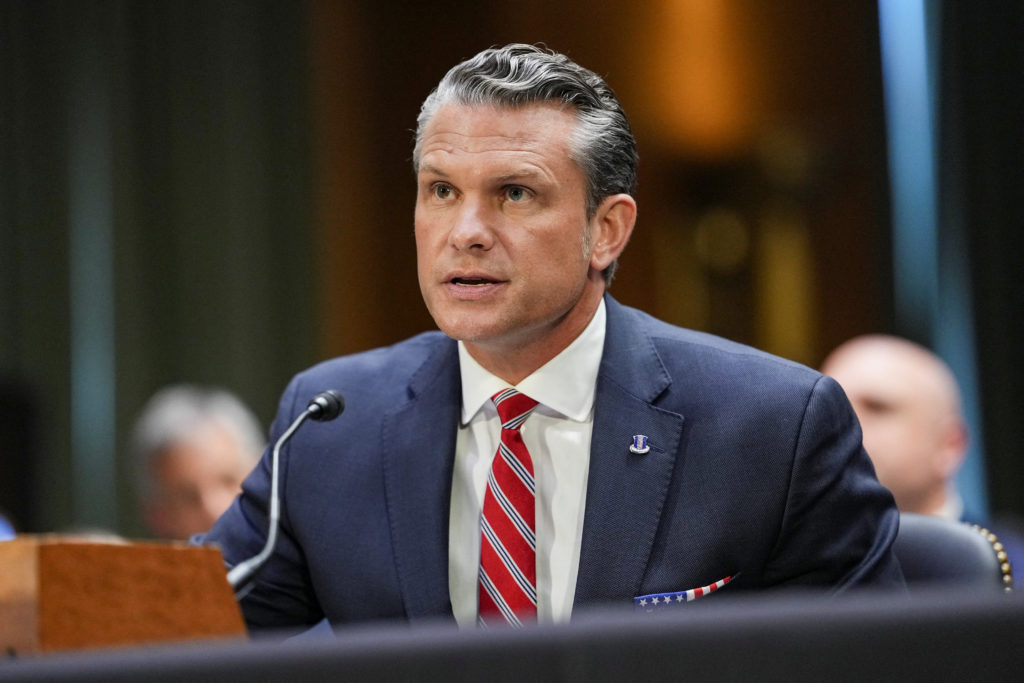
Reported facts: Senators questioned Hegseth in a hearing about Iran; Hegseth called a supplemental funding request an "urgent, necessary injection of resources" for his department; he did not directly reference the Iran war in his opening statement. Attributed framing: PBS presents the hearing through a "three big moments" structure. Uncertainty: the supplied excerpt omits details of the other moments, specifics of the funding request, Hegseth's exact office, which senators spoke, and any subsequent answers given during questioning.
Source and Framing Analysis
The article is framed as a brief roundup of "three big moments," a format that highlights select exchanges rather than full testimony. The supplied text is short and selective—this affects how readers perceive the hearing's significance and Hegseth's level of candor. Key evidentiary details (transcript, who asked which questions, funding amounts, and Hegseth's role) are not included, limiting the ability to evaluate claims or context.
Biblical Reflection
This report describes a moment of congressional oversight and public accountability: lawmakers questioned an official about Iran-related matters while the witness emphasized the urgency of supplemental funding. The omission of any direct reference to the Iran war in the witness's opening statement raises reasonable questions about transparency and clarity—especially when officials seek additional resources related to conflict or security.
As Christians we are called to weigh truth and the common good. Public leaders bear a responsibility to speak plainly about risks, causes, and intended uses of public funds so that representatives and the public can exercise good stewardship. At the same time, hearings are selective snapshots; a single opening statement does not capture the full exchange that follows when senators press for specifics. Our discernment should be patient: seek fuller records, listen for concrete answers, and avoid concluding motive from sparse statements.
Finally, the story points to broader spiritual concerns: the human cost of war, the moral weight of decisions that allocate resources for conflict or defense, and the civic duty to pursue peace. Christians should pray for leaders to pursue truth, act justly, protect the vulnerable, and prioritize peace where possible.
Scripture in context
- 1Matthew 5:9 — Part of the Sermon on the Mount, where Jesus describes the character of those who belong to God's kingdom, emphasizing attitudes that reflect God's reign—here, peacemaking as a virtue that stands in contrast to conflict. — This passage directs Christians to value peacemaking and to judge policies and leadership by whether they genuinely seek peace and protect the vulnerable, not merely by rhetoric about urgency or security.
- 2Romans 13:1-7 — Paul addresses the early Christian community about the role of governing authorities and the believer's duties in relation to civil order and taxation, acknowledging government authority while placing ultimate allegiance to God. — The passage urges Christians to respect lawful oversight and to hold rulers accountable; it supports responsible civic engagement—asking questions, demanding honesty, and praying for rulers—while recognizing the state's role in maintaining order.
Faithful Response
Pray for clarity and courage for public officials and for wisdom for legislators conducting oversight.
Seek fuller information (hearing transcripts, official statements, committee materials) before forming judgments.
Discuss the moral dimensions of defense funding with fellow believers, especially concerns for civilian harm, refugee care, and stewardship of public resources.
Reflection and Discussion
- 1How does the lack of specificity in officials' public statements affect our ability to judge policies by biblical standards of justice and care for the vulnerable?
- 2In what ways should Christians participate in oversight and accountability—through prayer, informed voting, advocacy, or other means—when national security decisions are at stake?
- 3Am I more inclined to assume bad intent or give leaders the benefit of the doubt when official testimony is incomplete; how does Scripture shape that posture?
Sources
Reporting links are evidence inputs; Sanctuary News' biblical reflection is commentary.
This outlook currently relies on fewer than two linked sources. Broaden verification before teaching from it.
- 1.Senators grilled Hegseth on Iran. Here are 3 big moments from the hearingprimary_reporting