News Summary
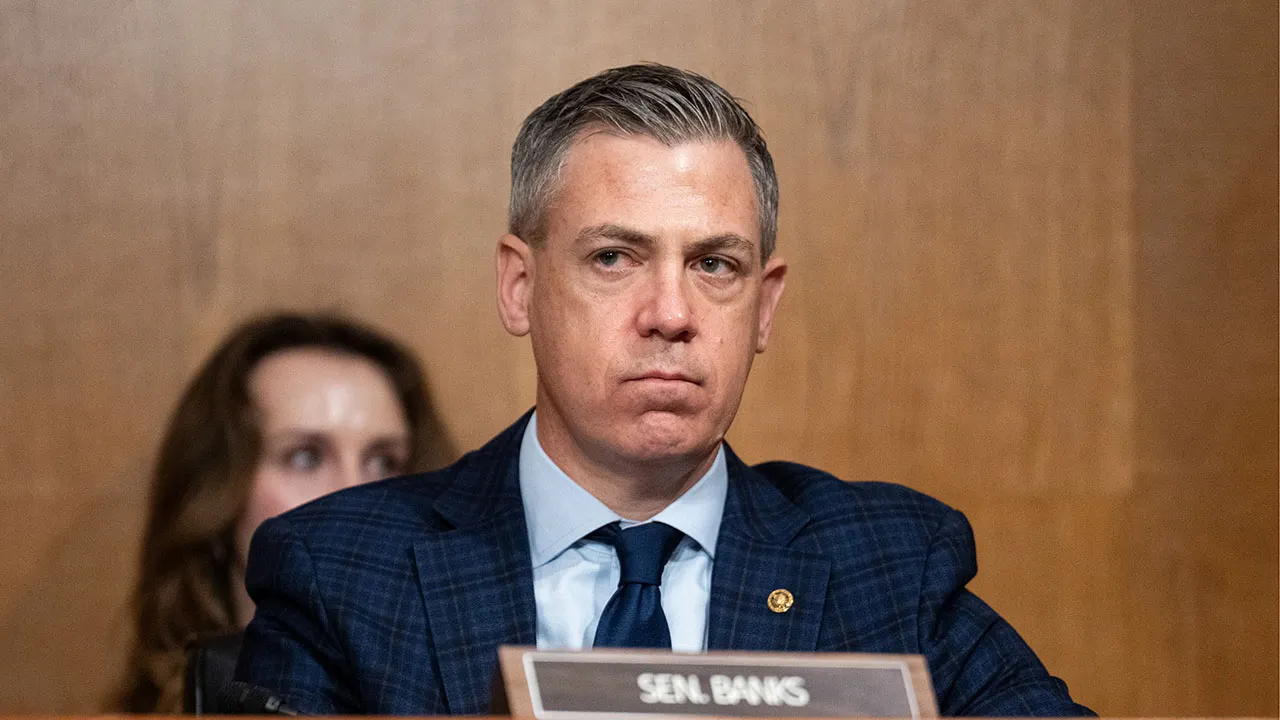
Sen. Jim Banks obtained an amendment to the 2026 National Defense Authorization Act that would roll back several Biden-era diversity, equity and inclusion (DEI) practices at the Department of Defense. The amendment would: (1) eliminate policies that prioritize diversity in promotion consideration for active-duty warrant officers, active-duty officers and reserve officers and instead instruct promotion boards to emphasize merit, qualifications and leadership; (2) repeal provisions that currently prohibit the Pentagon from banning the use of gender identifiers or personal pronouns in official communications, effectively allowing such bans; and (3) shift training emphasis away from DEI programs toward instruction on stated military values such as honor, courage, commitment, integrity and excellence. The measure is presented as aligned with Secretary of Defense Pete Hegseth and President Trump’s stated goal of refocusing the military on lethality and a ‘‘warrior ethos.’’ The NDAA referenced is a roughly $1.15 trillion defense policy and funding package moving through the Senate.
Biblical Reflection
This report frames the amendment as a policy victory in a broader political fight over DEI in the armed forces, using charged language that signals a partisan perspective. At a truth level, the amendment would change concrete personnel and communication rules that affect thousands of service members; its proponents say the changes restore merit-based standards and mission focus, while opponents warn they could erase protections and reduce inclusion for LGBTQ+ service members. From a Christian pastoral perspective, the tensions here call for careful discernment: the desire for excellence, readiness, and clear standards is legitimate and biblical when it seeks to steward public trust and protect others. But Christian wisdom also requires us to weigh how policies affect the dignity, safety and cohesion of neighbors who serve under our command, especially vulnerable minorities. We should ask whether policy changes are genuinely ordered to the common good of the force or primarily symbolic acts that marginalize people under the guise of ‘‘merit.’’ Christians can hold both convictions: support for competent, unified armed forces and insistence that those serving are treated with basic respect and protections. Finally, note the article’s partisan tone and selective emphasis — readers should consult primary legislative text and multiple reporting sources to understand specific legal effects and anticipated implementation challenges.
Scripture in context
This outlook does not yet include contextual Scripture citations. Do not treat a general biblical theme as an exegetical conclusion.
Faithful Response
No prescribed response is offered. Consider the reflection prompts below in your own church context.
Reflection and Discussion
- 1Does the call for 'merit' in promotions address documented problems in readiness, or does it risk masking exclusion by removing procedural safeguards?
- 2Who will be most materially affected on a day-to-day basis by these changes to promotion criteria and communication rules within the military?
- 3Is the reporting focused more on political signaling and culture-war frames than on the specific legal and operational consequences of the amendment?
Sources
Reporting links are evidence inputs; Sanctuary News' biblical reflection is commentary.
This outlook currently relies on fewer than two linked sources. Broaden verification before teaching from it.
- 1.Original reportprimary