News Summary
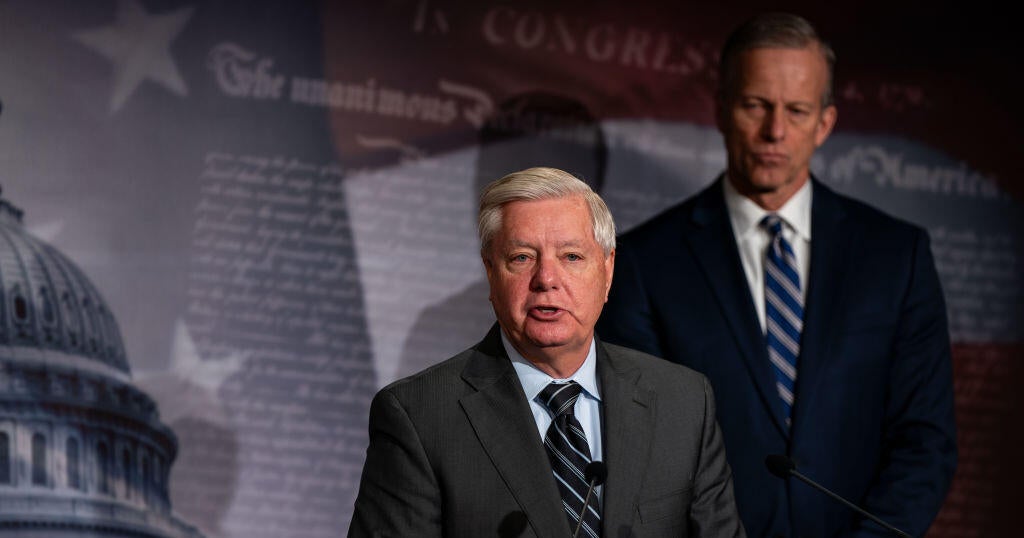
On April 21, 2026, the Senate voted 52-46 along party lines to proceed to a Republican-drafted 58-page budget resolution that begins the reconciliation process to fund immigration enforcement components of the Department of Homeland Security (DHS). The resolution, released by Sen. Lindsey Graham, would authorize the Senate Judiciary and Homeland Security committees to draft legislation that could increase spending by up to $70 billion (an aide said the final bill is expected to total about $70 billion) to fund Immigration and Customs Enforcement (ICE) and parts of U.S. Customs and Border Protection (CBP). Republicans intend to guarantee funding for immigration enforcement for roughly 3.5 years, covering the remainder of the Trump administration; President Biden set a June 1 deadline for receiving the final measure. The use of the reconciliation process would allow passage with only Republican votes. Democrats oppose separate funding for ICE and CBP without accompanying reforms, citing concerns raised after two deadly shootings by federal agents in Minneapolis in January. The article notes earlier bipartisan agreement to fund most of DHS through appropriations while moving ICE and CBP funding separately; the department has been mostly unfunded since Feb. 14. Senate leaders signaled further votes (including a "vote-a-rama") and discussions with House leaders about sequencing and potential additional provisions, while some House Republicans remain hesitant until reconciliation is complete.
Biblical Reflection
This story centers on competing priorities: enforcing borders and funding security agencies versus insisting on accountability and reforms to protect civil rights and human dignity. The article reports facts with limited editorializing but reflects two common political worldviews — a security-first framing by Republican leaders emphasizing protection and operational funding, and a reform-focused stance from Democrats emphasizing oversight and changes after deadly uses of force. From a Christian perspective, both concerns matter. Scripture upholds the role of government to maintain order and protect the vulnerable (Romans 13), and it also calls believers to seek justice, care for strangers, and oppose abuse (Micah 6:8; Matthew 25:35–40). Christians should therefore be cautious of partisan narratives that reduce complex moral questions to slogans. Practical concerns raised by this episode include: whether bypassing bipartisan processes through reconciliation weakens civic stewardship and mutual accountability; whether funding decisions adequately provide oversight to prevent abuses of power; and whether policy choices reflect both justice and mercy toward migrants and communities. The political strategy of using reconciliation to secure long-term funding for enforcement also risks hardening partisan divides and making compromise harder later. The faithful response is to weigh claims about security and danger against claims about human dignity and justice, to resist demonizing opponents, and to pray and advocate for policies that protect public safety while ensuring due process, transparency, and humane treatment.
Scripture in context
This outlook does not yet include contextual Scripture citations. Do not treat a general biblical theme as an exegetical conclusion.
Faithful Response
No prescribed response is offered. Consider the reflection prompts below in your own church context.
Reflection and Discussion
- 1Which priorities—security and enforcement or reform and accountability—dominate the article's framing, and what does that reveal about the deeper assumptions at work?
- 2How does the use of reconciliation (a partisan process) affect the health of civic cooperation and the Christian call to pursue the common good?
- 3Are the moral and human consequences for migrants, officers, and communities given adequate weight compared with procedural and political goals?
Sources
Reporting links are evidence inputs; Sanctuary News' biblical reflection is commentary.
This outlook currently relies on fewer than two linked sources. Broaden verification before teaching from it.
- 1.Original reportprimary