News Summary
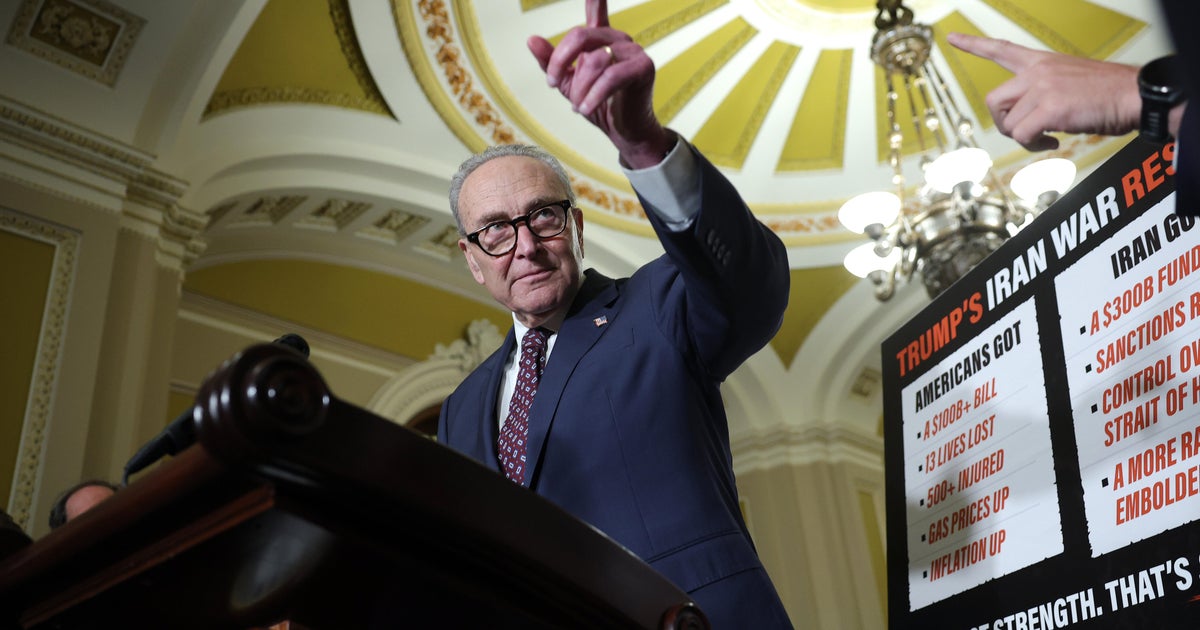
On July 14, 2026, Senate Democrats blocked an initial procedural vote to advance the annual National Defense Authorization Act (NDAA) in a 50–46 vote, citing objections to the Trump administration’s handling of renewed hostilities with Iran. Democratic leaders argued the NDAA should not proceed while the White House has not obtained congressional authorization for recent military actions, invoking the 1973 War Powers Resolution’s reporting and time limits; the White House had informed Congress on Monday that hostilities with Iran had resumed. Senate Minority Leader Chuck Schumer said he would vote no, calling the administration’s campaign an unauthorized war and accusing the president of failing to explain the mission or costs. Senate Majority Leader John Thune voted against advancing the bill (a procedural move that allows him to bring it up again) and urged passage, describing the NDAA’s provisions — such as emphasis on unmanned systems and counterdrone measures, shipbuilding, maintaining at least 1,800 fighters, support for the B-21 bomber, acquisition reforms, and a 3.6% troop pay raise plus investments in housing, education, health care and childcare — as important for national security and service members. Republicans framed the Democratic move as obstruction; Democrats framed it as necessary oversight tied to war powers.
Biblical Reflection
This dispute highlights two legitimate Christian concerns: the moral cost of war and the duty of citizens and lawmakers to hold leaders accountable. Democrats’ stand reflects a defense-of-constitutional-process posture — insisting that the legislative branch exercise its role before committing forces — which aligns with the biblical impulse toward stewardship of life and truth-telling about consequences. Republicans’ emphasis on rapid passage of the NDAA reflects care for troops’ readiness and welfare, also a moral good. The article, while largely factual, frames the clash chiefly as partisan disagreement and quotes leaders on both sides; it gives less space to independent legal or military analysis and does not include a White House substantive defense in detail. Christians should therefore resist taking partisan framing at face value: the deeper issues are whether power is exercised with humility, whether the cost of force has been honestly disclosed, and whether the structures God gave (government, laws, representative oversight) are being honored. Seek policies that protect the vulnerable, advocate for transparency about the use of force, and remember that supporting the military and pursuing peace are not mutually exclusive but complementary responsibilities.
Scripture in context
This outlook does not yet include contextual Scripture citations. Do not treat a general biblical theme as an exegetical conclusion.
Faithful Response
No prescribed response is offered. Consider the reflection prompts below in your own church context.
Reflection and Discussion
- 1Are calls to 'support the troops' being used to short-circuit lawful oversight, or are objections being framed as political obstruction?
- 2How does the use of executive military power without clear congressional authorization challenge our responsibility to value life and pursue justice?
- 3What signs should Christians look for to discern whether government action is motivated by genuine security needs or by political advantage?
Sources
Reporting links are evidence inputs; Sanctuary News' biblical reflection is commentary.
This outlook currently relies on fewer than two linked sources. Broaden verification before teaching from it.
- 1.Original reportprimary