News Summary
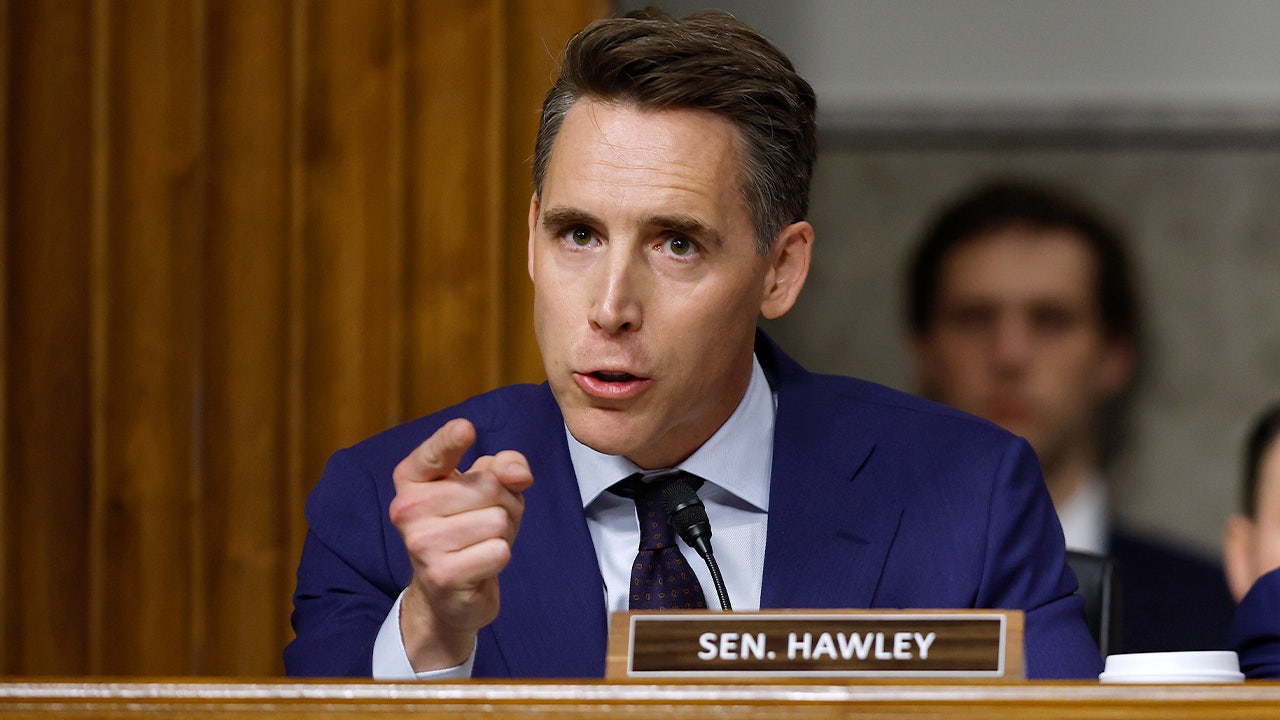
During a Senate vote-a-rama on a budget reconciliation package, Senators Susan Collins (R-Maine), Lisa Murkowski (R-Alaska), Mitch McConnell (R-Ky.), and Thom Tillis (R-N.C.) joined Democrats to defeat an amendment to attach the Safeguarding American Voter Eligibility (SAVE) Act—a voter ID and citizenship-document provision for federal elections—to the GOP reconciliation bill. Senator Josh Hawley (R-Mo.) publicly criticized those Republicans for voting against the amendment, arguing Congress has authority to set federal election rules and noting that 37 states already have some form of voter ID. Opponents of the amendment argued that election rules are primarily a state responsibility. The broader reconciliation package was intended to fund immigration enforcement programs. The article reports statements from Hawley and notes the SAVE Act’s main requirements: documentary proof of citizenship for federal voter registration and photo ID for federal ballots.
Biblical Reflection
This story highlights an intraparty dispute about how and where to set rules for elections. Christians should ask whether reporting emphasizes partisan heat over objective facts — this article centers Senator Hawley’s critique and the political clash, with less attention to empirical evidence about voter fraud, the administrative impacts of ID requirements, or effects on voter access. Biblically informed discernment calls for both truth and mercy: defend the integrity of civic processes where warranted, but also investigate whether proposed changes disproportionately burden the poor, elderly, minorities, or others who may lack documentation. The piece reflects a political worldview that treats election rules as a tool of power and party strategy; a Christian posture would press for careful, evidence-based policy that protects both the legitimacy of elections and the vulnerable who might be disenfranchised. Christians should avoid rushing to partisan scorning, insist on clear facts and transparent motives, and pursue civil, humble conversation about reforms that affect our neighbors’ ability to participate in democracy.
Scripture in context
This outlook does not yet include contextual Scripture citations. Do not treat a general biblical theme as an exegetical conclusion.
Faithful Response
No prescribed response is offered. Consider the reflection prompts below in your own church context.
Reflection and Discussion
- 1What empirical evidence is presented or missing about the prevalence of voter fraud and the actual effects of voter ID laws on turnout?
- 2Who would gain or lose from federalizing voter ID rules — consider geographic, economic, and demographic impacts?
- 3Is the reporting focused more on partisan conflict and quotes or on the policy details and practical consequences for voters?
Sources
Reporting links are evidence inputs; Sanctuary News' biblical reflection is commentary.
This outlook currently relies on fewer than two linked sources. Broaden verification before teaching from it.
- 1.Original reportprimary