News Summary
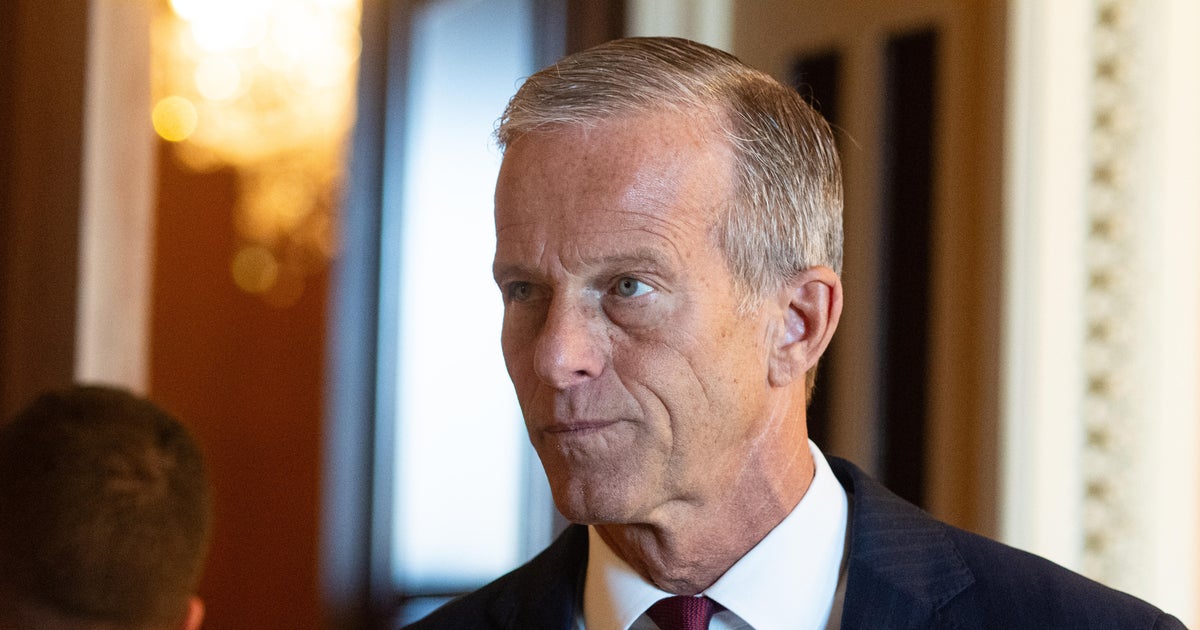
The Senate voted 51–48 to begin extended floor debate on the SAVE America Act, an elections bill pushed by President Trump that would require proof of citizenship to register to vote and photo ID to cast a ballot. Senate Majority Leader John Thune signaled Republicans lack the votes to clear the 60-vote threshold and will not employ a talking filibuster; instead he has allowed a prolonged "full and robust" debate that could last a week or more. Supporters frame the bill as routine election integrity measures; opponents and experts say the provisions could disenfranchise millions who lack ready access to birth certificates, passports, or other documents, and that the law goes beyond a simple voter ID bill. Democrats uniformly oppose the measure and say it would purge voter rolls and make voting harder; Republicans aim to use floor time to force uncomfortable votes on amendments and to satisfy conservative demands from the White House. President Trump has tied legislative priorities to passage of the bill and has also pushed for additional provisions, including bans on mail-in ballots and restrictions on transgender athletes and gender-affirming care for minors. The vote to begin debate advances the procedural process but, given Senate arithmetic and leaders’ choices, does not make passage likely.
Biblical Reflection
From a biblical standpoint, this story raises several moral and spiritual concerns that resist easy partisan partisanship. Scripture calls God’s people to pursue justice, protect the vulnerable, and speak truth (Micah 6:8; Isaiah 1:17). Laws about voting touch the core of civic justice: they shape who is heard and who is excluded. Christians should ask whether proposed measures genuinely protect the integrity of elections—or whether they create unnecessary barriers that disproportionately burden the poor, elderly, minorities, and those without easy access to identity documents. The motives behind legislation matter: if measures are driven by fear, power-retention, or rhetoric that dehumanizes opponents, they fail the biblical tests of love, truth, and justice (Matthew 22:37–40). At the same time, guarding against fraud and ensuring trustworthy elections are legitimate public goods; caring for honesty in public life is also a biblical value (Proverbs 11:3). Practically, Scripture calls believers to weigh both justice and mercy: to press for systems that are secure and accountable while also designing procedures that protect participation for the vulnerable. Politically charged maneuvers—threats to block unrelated legislation, public claims framed to delegitimize opponents, or procedural choices aimed primarily at theatre—should be measured against the call to humility, honesty, and the common good. Christians involved in or observing this debate are urged to resist tribalism, demand transparent and fair process, advocate for the rights of the marginalized, and pray for lawmakers’ wisdom and integrity.
Scripture in context
This outlook does not yet include contextual Scripture citations. Do not treat a general biblical theme as an exegetical conclusion.
Faithful Response
No prescribed response is offered. Consider the reflection prompts below in your own church context.
Reflection and Discussion
- 1Am I instinctively siding with a party or principle, or am I weighing how a policy affects the vulnerable and the common good?
- 2Where does the tension between protecting election integrity and ensuring broad access to the vote show up in my local community, and what practical steps can I support that honor both justice and mercy?
- 3How can I speak and act with humility and truth when political leaders use heated rhetoric or power-play tactics?
Sources
Reporting links are evidence inputs; Sanctuary News' biblical reflection is commentary.
This outlook currently relies on fewer than two linked sources. Broaden verification before teaching from it.
- 1.Original reportprimary