News Summary
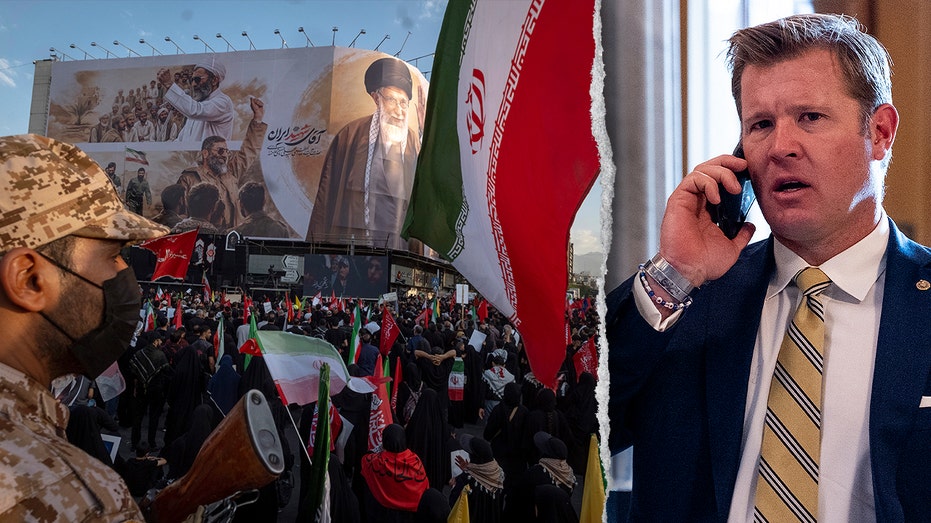
Reported facts: On the Senate floor, Sen. Tim Sheehy, identified as a former combat veteran, opposed the Iran War Powers Resolution and became emotional while pointing to a bracelet he said honored a fallen friend; the article quotes him saying, “We will finish it.” Attributed claims: the article attributes veteran status, the bracelet’s meaning, and the quoted language to Sheehy. Uncertainty: the article does not provide the text of his full speech, the precise legislative effect of his remarks, vote details, or broader context about the resolution or the identity and circumstances of the fallen friend.
Source and Framing Analysis
The piece is short and centered on an emotional moment; it primarily reports the speech and the senator’s gestures rather than policy details. The headline and phrasing emphasize emotion and moral certainty (“fiery,” the quote) which foregrounds pathos over explanatory context (bill text, legal ramifications, vote counts, or responses from other senators). This framing can shape readers’ perceptions of the political stakes without providing the substantive legislative background needed to assess the resolution itself.
Biblical Reflection
This report highlights a raw human moment—grief and memory of a fallen comrade—being used within a legislative debate. Christians should recognize the legitimacy of grieving veterans and the moral weight that loss places on decisions about war. At the same time, the use of personal pain to influence public policy requires careful discernment: it is not wrong to bring testimony and sorrow into civic life, but such testimony should be weighed alongside facts, prudence, and the broader call to pursue peace.
The article’s emotional focus risks narrowing public judgment to a single moving moment rather than to the substantive policy questions the resolution raises (its text, legal consequences, likely outcomes, and alternatives). A faithful Christian response holds both compassion for the mourner and a commitment to truth: we must honor sacrifice while asking for clear reasons, proportionality, and concrete plans that protect the vulnerable and seek just peace.
Practically, Christians should lament losses, support veterans and their families, and press leaders toward decisions rooted in justice, transparency, and the pursuit of peace. We should resist simplistic appeals that substitute emotion for evidence, and pray for leaders to have courage to pursue paths that align with both truth and neighbor-love.
Scripture in context
- 1Matthew 5:9 — In the Sermon on the Mount, Jesus teaches about the values of the Kingdom and declares blessings on those who embody God’s way; the verse about peacemakers sits within a larger ethic that calls followers to pursue righteousness and reconciliation rather than conflict. — This episode invites Christians to weigh the desire to honor sacrifice with the mandate to pursue and pray for peace—seeking outcomes that reconcile justice for the oppressed, protection for the vulnerable, and restraint from needless violence.
Faithful Response
Pray for bereaved families, for Sen. Sheehy and other lawmakers, asking for discernment and peace.
Read the full text of the Iran War Powers Resolution and rely on multiple sources to understand possible consequences before forming a policy judgment.
Support practical ministries for veterans: listen to their stories, provide pastoral care, and advocate for resources that aid recovery and reintegration.
Engage local lawmakers respectfully: ask specific questions about alternatives to force, safeguards, and how civilian harm will be minimized.
Reflection and Discussion
- 1When a leader’s grief moves you, what concrete facts do you still need to decide whether a military escalation is just or necessary?
- 2How should Christian love of neighbor shape our response to calls for force, especially when civilian harm is possible?
- 3In what ways can the church both honor sacrifice and actively work for reconciliation and nonviolent solutions?
Sources
Reporting links are evidence inputs; Sanctuary News' biblical reflection is commentary.
This outlook currently relies on fewer than two linked sources. Broaden verification before teaching from it.
- 1.Combat vet senator chokes up over fallen friend in fiery floor speech about Iran war: ‘We will finish it’primary_reporting