News Summary
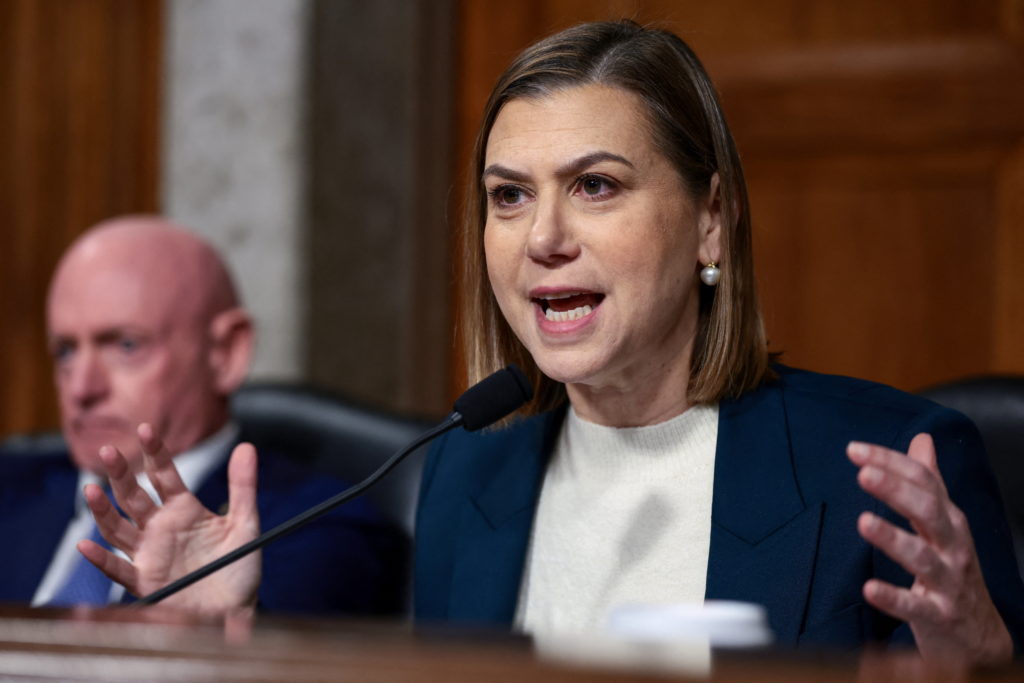
According to a PBS NewsHour report, Sen. Elissa Slotkin sent letters on Tuesday to Fox host Pete Hegseth and to Gen. Dan Caine, identified in the article as chairman of the Joint Chiefs of Staff, asking them to "confirm a simple statement: the Department of Defense will not send Federal troops to the polls or to seize election materials of any kind." The report is a brief factual account of that request and does not include responses from Hegseth or Gen. Caine, the full texts of the letters, legal context about Department of Defense authority for domestic operations, or background on what prompted the letters.
Source and Framing Analysis
Source: PBS NewsHour (single supplied item). Strengths: the piece supplies an attributable, verbatim sentence from Senator Slotkin and names the recipients, which documents that a formal request was sent. Framing: tightly focused on the request for a public assurance and presented in neutral language without sensationalism. Limitations and resulting framing effects: the report contains no response from the named recipients, no reproduction of the letters, no legal or historical context about when or whether the Department of Defense has been involved in U.S. elections, and no explanation of why Senator Slotkin sent the letters. Those absences mean readers see a clear request but lack information needed to assess legal authority, precedent, motives that prompted oversight, or how senior Pentagon leaders might reply. Because only one brief report is supplied, there is no source comparison to reveal disagreement or corroboration.
How sources covered this story
Sanctuary separately assesses reporting quality and alignment with Christian virtues. The virtues assessment considers truthfulness, dignity, compassion, justice, peacemaking, humility, and care for vulnerable people. It does not assess a publisher's faith or reward religious language.
Compare 1 reports
Reporting 75/100Virtues 82/100
- Distinctive contribution
- Provides the exact wording of Slotkin's request and specifies it was sent in letters to Hegseth and to Gen. Dan Caine, identifying Caine as chairman of the Joint Chiefs of Staff and noting the letters were sent Tuesday.
- Framing
- Presents a narrowly focused factual report of a congressional request for assurance that the military will not intervene in elections; the supplied text uses a direct quote and neutral language without sensationalism.
- Omissions or uncertainty
- No response from Hegseth or Gen. Caine is included. The excerpt lacks background on what prompted the letters, legal context (e.g., statutes governing military domestic roles), or whether similar requests were made elsewhere. The supplied text gives only one short quote and the day ('Tuesday') without a date.
- Why these scores
- The excerpt is precise and uses a direct, attributable quote, which supports reliability. It clearly states recipients and timing. However, it's a brief excerpt lacking follow-up (responses) and broader context that would strengthen understanding of significance. The content centers on protecting democratic process and preventing military interference in civilian elections, which aligns with principles of justice, protection of the vulnerable (voters), and truthfulness. The excerpt is neutral and non-inflammatory, showing respect for civic dignity; limitations arise only from its brevity and lack of broader context.
Biblical Reflection
Factual reporting: this is an account of congressional oversight (a senator sending letters) rather than evidence of any change in Pentagon policy or of military involvement in elections. Christian outlook (distinct from the factual report): protecting the integrity and peaceful functioning of civic institutions is consistent with seeking justice, mercy, and the common good. Asking for clear public commitments to prevent military involvement in civilian election processes can be an act of responsible oversight that seeks to avert coercion and fear that harm neighbors, especially vulnerable voters. At the same time, Christians should avoid partisan escalation, refrain from spreading unverified accusations, and practice humility and peacemaking while pressing for transparency. Practical faith-centered responses include praying for leaders and institutions, requesting clear public answers in ways that preserve dignity, educating one’s community about how elections are administered, and caring pastorally for those anxious about democratic stability.
Scripture in context
- 1Romans 13:1-7 — Paul addresses the role of governing authorities in maintaining order and calls for respect for legitimate institutions insofar as they serve justice and the common good. — This passage underscores the value of respecting civil institutions while also supporting oversight and accountability when those institutions can affect citizens' rights; requesting clarity about military noninvolvement in elections is consistent with protecting civic order and justice.
- 2Matthew 5:9 — Jesus blesses peacemakers and calls disciples to pursue reconciliation and the wellbeing of others amid conflict. — This encourages Christians to de-escalate fear and hostility in public conversation, to pursue truthful communication that promotes peace, and to balance critique of institutions with efforts to preserve communal trust.
Faithful Response
Pray for wisdom, restraint, and integrity for civilian and military leaders and for calm among the electorate.
Request transparent answers from public officials respectfully; ask for the full letters or public statements and for any relevant legal explanations.
Provide congregational education about how local and federal election processes work to reduce confusion and fear (nonpartisan resources).
Model truthful, charitable speech: avoid amplifying unverified claims or sensational interpretations and prioritize protection of vulnerable voters and civic order.
Support nonpartisan organizations and election officials that work to ensure accessible, secure balloting and accurate counts.
Reflection and Discussion
- 1How does my theological understanding of authority and the common good shape how I evaluate requests for oversight of public institutions?
- 2In what ways might anxiety or partisan identity distort my judgment about alleged threats to democratic processes?
- 3How can I hold leaders accountable while practicing peacemaking and preserving the dignity of those I disagree with?
- 4What concrete steps can my faith community take to foster accurate civic understanding and care for vulnerable neighbors during election periods?
Sources
Reporting links are evidence inputs; Sanctuary News' biblical reflection is commentary.
This outlook currently relies on fewer than two linked sources. Broaden verification before teaching from it.
- 1.Sen. Slotkin presses Hegseth, Caine to commit to keeping U.S. military out of the midterm electionsprimary_reporting