News Summary
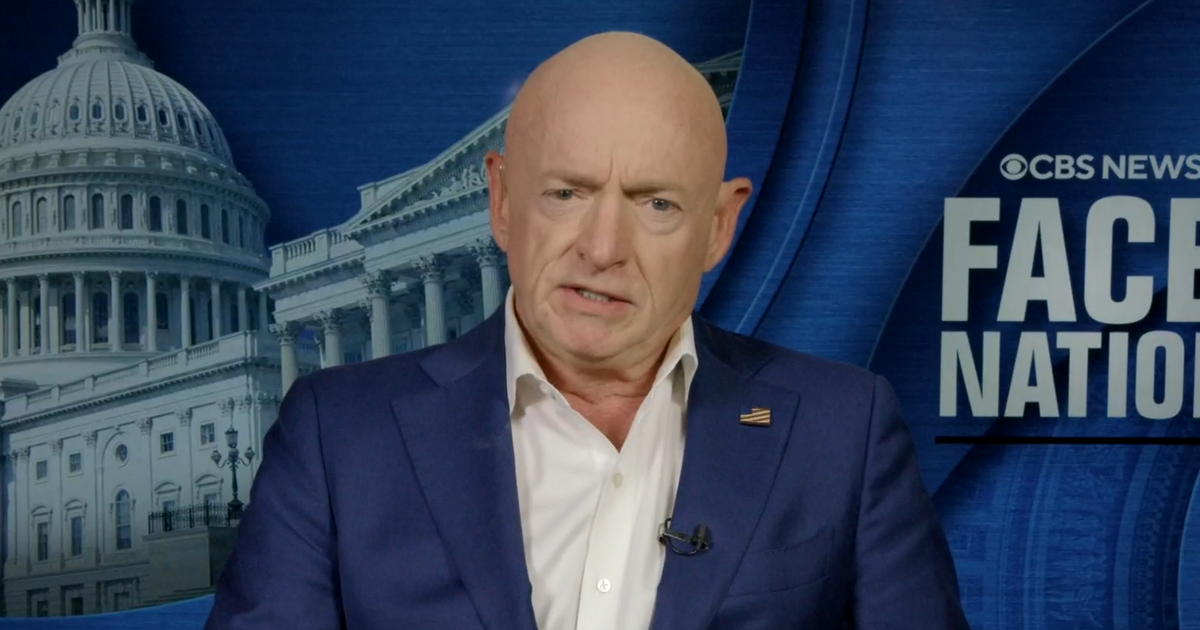
On May 10, 2026, CBS News reported that Democratic Sen. Mark Kelly (Arizona) called the Trump administration's fiscal year 2027 defense budget request of $1.5 trillion "outrageous" during an appearance on Face the Nation. The administration's proposal would represent a roughly 42% increase in defense spending from 2026 levels. Kelly, a member of the Senate Armed Services Committee, noted that when he joined the Senate about five and a half years earlier the defense budget was just over $700 billion and contrasted that with the current request. He flagged specific items in the proposal such as troop pay raises, resupplying munitions, and funding for a proposed space-based missile defense effort referred to as "Golden Dome," saying the physics make success unlikely and expressing concern funds could be spent on systems that do not work. Kelly also warned that U.S. munitions stockpiles have been heavily drawn down amid the war with Iran, citing Pentagon briefings and questioning the strategic planning behind U.S. involvement. The White House is expected to seek supplemental funds to cover costs related to the Iran conflict, with official and unofficial estimates of that supplemental ranging from about $25 billion to roughly $50 billion.
Biblical Reflection
From a Christian perspective the key issues here are stewardship, truthfulness in public argument, and concern for the common good. Senator Kelly's remarks raise legitimate questions about prudent stewardship of public resources — large military appropriations demand clear strategic rationale, accountability, and realistic assessments of technical feasibility. The article is straightforward reporting of his criticism and budget figures; it does not itself adjudicate the technical merits of programs like "Golden Dome" or the administration's justification for the increase. Readers should note the partisan context: a Democratic senator criticizing a Republican administration's proposal. That does not invalidate his concerns, but it does mean the remarks are part of political debate rather than a neutral technical audit. Scripturally, Christians are called to wise planning (Luke 14:28–30) and to seek the peace and security of the community (Jeremiah 29:7). These principles support pressing for transparent, accountable budgeting that protects people and avoids waste. At the same time, Christians should resist simplistic rhetoric that frames military spending only as good or evil; rather, evaluate claims on evidence: Are strategic goals defined? Are costs and risks honestly presented? Is there accountability for complex programs? Finally, the article omits deeper context that would help evaluate the claim (detailed budget breakdowns, independent technical assessments, and the administration's strategic rationale), so readers should avoid accepting charged language at face value and seek fuller information before forming firm conclusions.
Scripture in context
This outlook does not yet include contextual Scripture citations. Do not treat a general biblical theme as an exegetical conclusion.
Faithful Response
No prescribed response is offered. Consider the reflection prompts below in your own church context.
Reflection and Discussion
- 1What assumptions about national threat, technology feasibility, and urgency underlie calls for a 42% increase in defense spending, and who benefits from those assumptions?
- 2How might partisan framing shape the public's perception of budgetary 'need' versus prudent stewardship and accountability?
- 3Where should Christians place the burden of proof when a government asks for large, rapid increases in security spending—on strategic clarity, technical validation, or moral arguments about protection?
Sources
Reporting links are evidence inputs; Sanctuary News' biblical reflection is commentary.
This outlook currently relies on fewer than two linked sources. Broaden verification before teaching from it.
- 1.Original reportprimary