News Summary
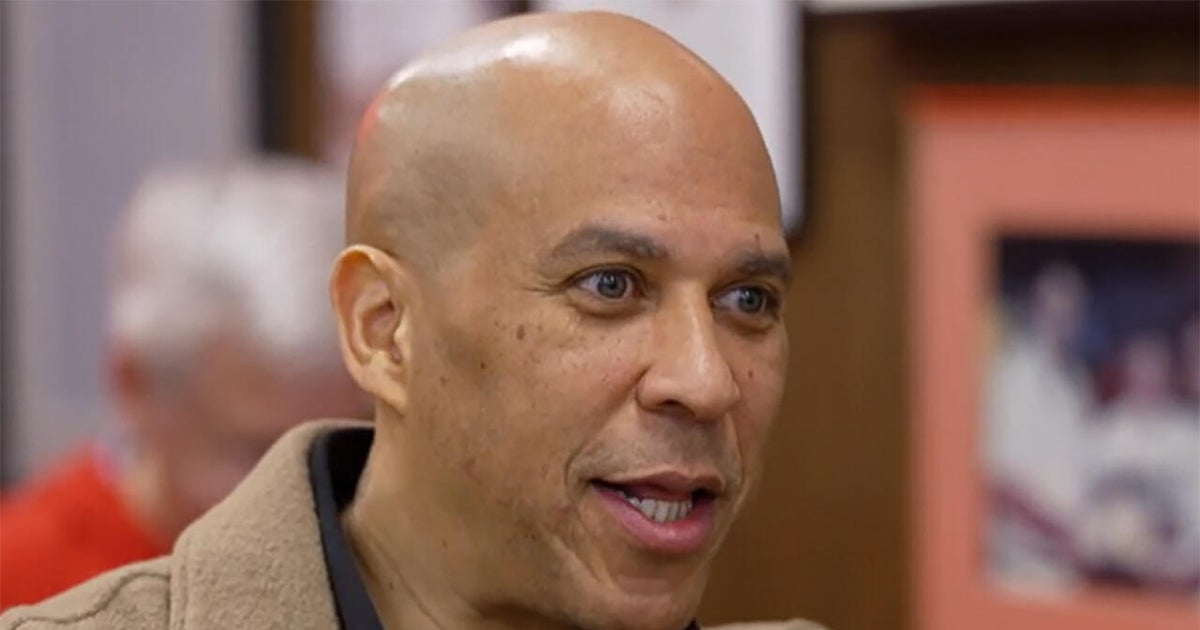
The CBS News profile highlights Senator Cory Booker's roots, political career, and recent public role as a leading voice of Democratic resistance to former President Donald Trump. It recounts his upbringing, education (Stanford, Oxford as a Rhodes scholar, Yale Law), and decision to make Newark his home, where he served as mayor and gained a reputation for hands-on community activism. The piece recalls Booker’s early political stunts (pitching a tent to demand policing at a troubled housing project) and his documented 2002 mayoral race. It summarizes his Senate actions, including a record-breaking 25-hour-plus speech criticizing the Trump administration, and describes his spiritual preparation (prayer and fasting) for that filibuster. Booker’s new book Stand is presented as a call for Americans to unite around shared virtues of love, sacrifice, and service—“We, the people, are the heroes this country needs.” The article notes political controversies around his stance on Israel and efforts to obtain humanitarian aid to Gaza, his view that the current war posture with Iran lacks proper constitutional authorization, and his push for congressional hearings. It mentions his recent marriage, his reelection bid in New Jersey, and his hint at continued national engagement into 2028.
Biblical Reflection
From a biblical perspective, many of Booker's emphases line up with Christian virtues: prioritizing service to neighbors, sacrificial love, and standing against wrongdoing are consistent with Scripture’s call to love God and love neighbor (Mark 12:30–31) and to seek justice (Micah 6:8). His insistence on speaking for the vulnerable, pursuing hearings and accountability, and working for humanitarian aid reflects the prophetic impulse to name injustice and act for the oppressed (Isaiah, Amos). His use of prayer and fasting before a major public witness also echoes gospel patterns of spiritual preparation for difficult tasks.
At the same time, Scripture warns Christians to practice discernment about public words and actions. Jesus taught that true service is rooted in humility and that leadership should not seek self-exaltation (Matthew 20:25–28). Political theater that leans toward personality-driven displays can distract from sustained, faithful work of reconciliation, truth-telling, and institution-building. Christians should evaluate both rhetoric and fruit: does a tactic actually protect the vulnerable, promote truth, and foster repentance and reconciliation? Likewise, mixing nationalism and political hope too closely with theological language risks idolizing political solutions; the church’s ultimate hope is in Christ, not any party or leader (Colossians 3:1–4).
Practically, Booker's calls for love as a frequency to counteract cruelty are scripturally resonant, but believers must hold Christian love together with biblical justice, truth, and accountability. We should commend efforts that serve neighbors and seek human flourishing, critique opportunism or simplification on complex moral issues, and refuse to let partisan loyalty replace the church’s prophetic calling to speak truth to power while loving enemies (Matthew 5:43–48).
Scripture in context
This outlook does not yet include contextual Scripture citations. Do not treat a general biblical theme as an exegetical conclusion.
Faithful Response
No prescribed response is offered. Consider the reflection prompts below in your own church context.
Reflection and Discussion
- 1When political leaders call for love and service, how can I test whether their actions match those words in ways that reflect Christ-like compassion and justice?
- 2Am I tempted to place my ultimate hope in a political figure or movement rather than in Christ? How does that affect my engagement and prayer?
- 3How can I personally embody sacrificial love and prophetic courage in my community—holding both compassion and truth together?
Sources
Reporting links are evidence inputs; Sanctuary News' biblical reflection is commentary.
This outlook currently relies on fewer than two linked sources. Broaden verification before teaching from it.
- 1.Original reportprimary