News Summary
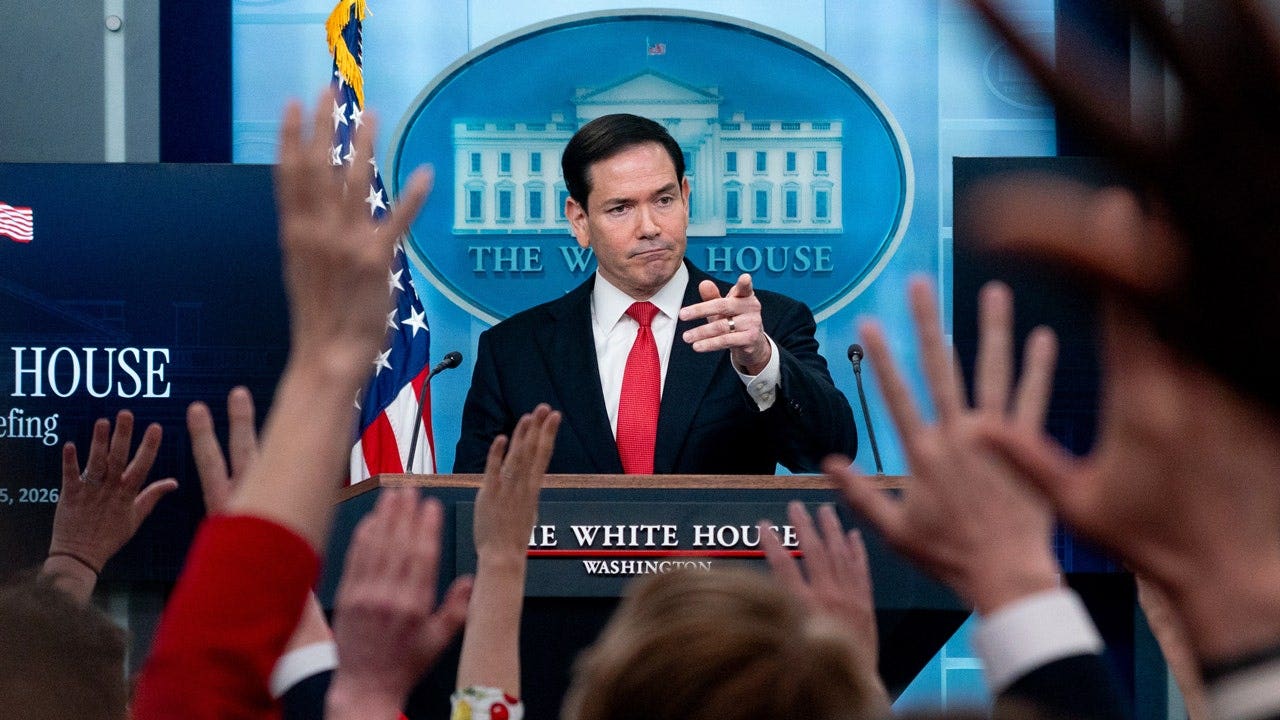
At a White House briefing on May 5, 2026, Secretary of State Marco Rubio previewed a trip to Rome, saying it was a routine engagement and outlining his administration's posture toward Iran. Rubio warned Iran that continued actions could cause "catastrophic" and "generational" economic damage to the country and described U.S. efforts near the Strait of Hormuz as defensive, saying U.S. forces would fire only if fired upon. Rubio is scheduled to meet Pope Leo and Italian Prime Minister Giorgia Meloni in Rome; the visits occur amid heightened tensions between President Donald Trump and Pope Leo over U.S. policy toward Iran. The article references Trump posts and remarks about Iran and notes the Vatican will not participate in the administration's Gaza recovery board. It also reports that Meloni has resisted reductions in U.S. forces in Italy, while the administration has ordered a separate withdrawal of about 5,000 troops from Germany. The piece notes conservative supporters praised Rubio's public performance at the briefing.
Biblical Reflection
This story centers on diplomatic and security posturing in a high-stakes international dispute. From a Christian perspective, key concerns include the protection of innocent life, the pursuit of just and truthful diplomacy, and the ethical use of power. The administration's emphasis on deterrence and defense speaks to legitimately held security aims—preventing nuclear proliferation and protecting allies—but rhetoric that threatens "civilizational" destruction or frames an entire people as a monolith risks dehumanizing civilians and hardening divisions. The Vatican's moral critique, focused on the welfare of Iran's people and on international law, represents a competing moral frame that stresses restraint and care for noncombatants. Christians should note two dangers in the public conversation: (1) conflating national or political goals with the gospel, which can sanctify partisan ambition; and (2) accepting simplified narratives that present military strength as the only moral response. Scripture calls believers to seek peace, pursue justice, and love neighbor (including foreigners and those vulnerable in conflict). At the same time, scripture recognizes the role of government in restraining evil (Romans 13) and the reality that protecting the innocent sometimes requires force. Discernment requires holding these truths together: advocate for measured, honest diplomacy; resist dehumanizing language; evaluate claims about threats and responses critically; and pray for wisdom for leaders and protection for civilians.
Scripture in context
This outlook does not yet include contextual Scripture citations. Do not treat a general biblical theme as an exegetical conclusion.
Faithful Response
No prescribed response is offered. Consider the reflection prompts below in your own church context.
Reflection and Discussion
- 1What assumptions about threat and morality shape the administration's public rhetoric, and whose human welfare might be obscured by that framing?
- 2How does the media's emphasis on strength and political praise influence public perception of morally complex diplomatic disputes?
- 3Where are opportunities for truthful diplomacy and restraint that protect the innocent while addressing legitimate security concerns?
Sources
Reporting links are evidence inputs; Sanctuary News' biblical reflection is commentary.
This outlook currently relies on fewer than two linked sources. Broaden verification before teaching from it.
- 1.Original reportprimary