News Summary
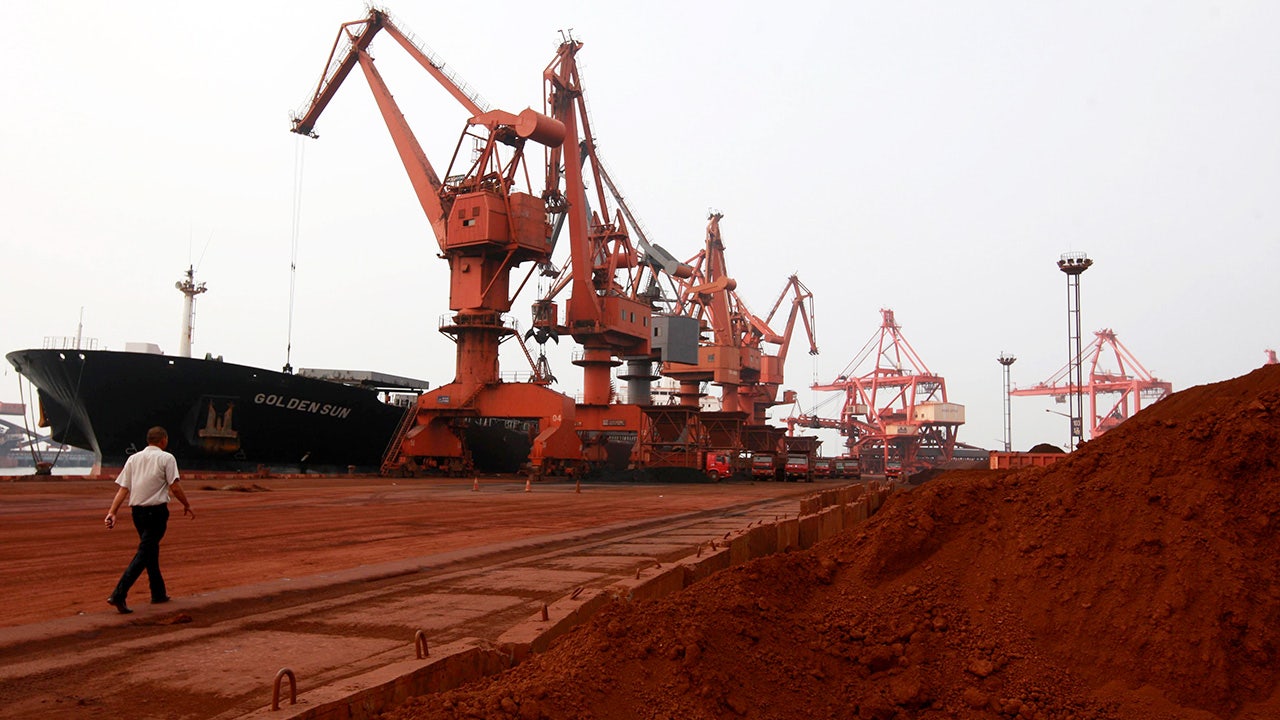
An opinion piece reports that a petition to the U.S. Securities and Exchange Commission asks the agency to require publicly traded companies to disclose material risks from heavy supply-chain dependence on China. The article argues U.S. corporations have outsourced production of critical inputs—citing China’s dominant share of mining or processing of rare earth elements and supply of active pharmaceutical ingredients—as creating vulnerabilities for defense, healthcare, technology and consumer sectors. It references past Chinese export restrictions (e.g., 2010 rare-earths to Japan) and recent controls on materials such as gallium and germanium as evidence China can weaponize trade dependencies. The author contends current SEC and corporate disclosures are vague and urges quantified, China-specific scenario analyses and clearer geographic concentration reporting to help investors and policymakers assess risks. The piece is framed as a national-security and economic-resilience argument and calls for prompt SEC action or a broader effort to reduce reliance on China.
Biblical Reflection
The article raises legitimate factual concerns: many supply chains for critical materials and drug precursors are highly concentrated, and disruptions could have serious consequences for public health and defense. The call for better disclosure is consistent with principles of transparency and prudent stewardship. At the same time this is an opinion piece with a national-security framing that can lean into worst-case language and geopolitical fear. Christians should listen for both truth and tone: truth demands verifying the data cited and distinguishing concrete, documented dependencies from speculative, alarm-driven scenarios; mercy and humility call us to avoid xenophobic or dehumanizing rhetoric toward ordinary Chinese people; courage and justice call for policies that protect public welfare without scapegoating vulnerable workers or communities. Practically, faithful public wisdom supports demands for accurate disclosure, diversified and ethical supply chains, cooperation with allies on resilience, and diplomatic efforts that reduce the risk of coercion while safeguarding vulnerable populations dependent on global trade.
Scripture in context
This outlook does not yet include contextual Scripture citations. Do not treat a general biblical theme as an exegetical conclusion.
Faithful Response
No prescribed response is offered. Consider the reflection prompts below in your own church context.
Reflection and Discussion
- 1Does the reporting separate verifiable facts (market shares, documented export controls) from speculative worst-case scenarios, and how would you verify the key numbers?
- 2Are proposed remedies (mandatory disclosures, reshoring, sanctions) proportionate to the documented risks and balanced with concern for workers and global neighbors?
- 3Is the language used more focused on factual transparency and resilience, or does it encourage fear and us-vs-them thinking that could harden attitudes rather than build constructive policy?
Sources
Reporting links are evidence inputs; Sanctuary News' biblical reflection is commentary.
This outlook currently relies on fewer than two linked sources. Broaden verification before teaching from it.
- 1.Original reportprimary