News Summary
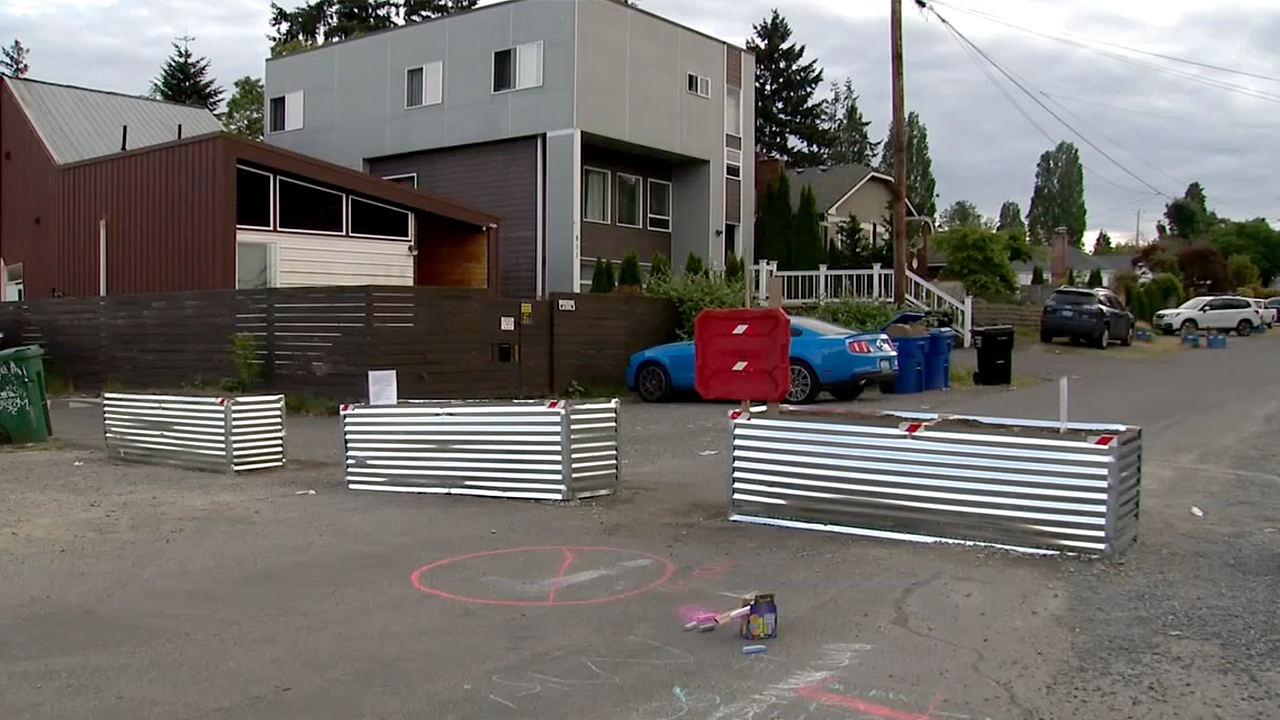
After an early-morning shootout near Aurora Avenue North and North 98th Street in Seattle, residents in nearby neighborhoods erected makeshift barricades on residential streets to limit traffic and discourage criminal activity. Seattle Police responded to reports of more than 30 gunshots; officers later recovered roughly 40 shell casings and found homes, buildings, and vehicles struck by gunfire. Surveillance video published by local media showed people exchanging gunfire in the street. Neighbors told reporters they have experienced recurring gunfire, prostitution, and trafficking activity spilling into residential blocks and said repeated complaints to city officials and police produced insufficient responses. Some barricades were vandalized and later rebuilt with reinforcements. Residents called for stricter enforcement of Seattle’s 2024 SOAP (Stay Out of Areas of Prostitution) ordinance. A local conservative commentator criticized city leadership’s public-safety policies. The mayor’s office told reporters the violence is "deeply unsettling," said city officials had met with concerned residents, and announced increased late-night/early-morning patrols and deployment of the Police Department’s Gun Violence Reduction Unit while also emphasizing community-led, longer-term solutions. The article quotes residents and commentators and notes reporters reached out to city officials for comment.
Biblical Reflection
From a Christian perspective, this report shows neighbors seeking to protect life and property—an understandable and often necessary impulse when safety feels threatened. Scripture calls God’s people to care for their neighbors and to seek peace and justice, especially for the vulnerable. At the same time, Christians should be cautious about responses that may edge toward vigilantism or create additional harm; lawful, nonviolent avenues and partnership with legitimate authorities are preferable where possible. The article’s framing includes emotional language and partisan voices that can shape readers’ judgments about blame and solutions; discernment is needed to separate immediate facts (a shootout occurred; residents erected barricades) from political interpretation (broad condemnations of city policy). The spiritual tasks here include advocating for justice for victims of trafficking, compassion and care for people struggling with addiction or exploitation, and constructive civic engagement—praying for leaders, cooperating with lawful safety measures, and working toward restorative solutions that protect the vulnerable while holding wrongdoers accountable.
Scripture in context
This outlook does not yet include contextual Scripture citations. Do not treat a general biblical theme as an exegetical conclusion.
Faithful Response
No prescribed response is offered. Consider the reflection prompts below in your own church context.
Reflection and Discussion
- 1Whose voices are not heard in the report (for example, trafficking victims, people with substance-use disorders, or frontline social-service workers), and how would their perspective change the picture of what’s needed?
- 2Does the community response reinforce neighbor-love and lawful protection, or does it risk creating new harms or bypassing legitimate authorities?
- 3How does the article’s choice of sources and language shape our view of responsibility—individuals, community groups, or city government—and what assumptions underlie those choices?
Sources
Reporting links are evidence inputs; Sanctuary News' biblical reflection is commentary.
This outlook currently relies on fewer than two linked sources. Broaden verification before teaching from it.
- 1.Original reportprimary