News Summary
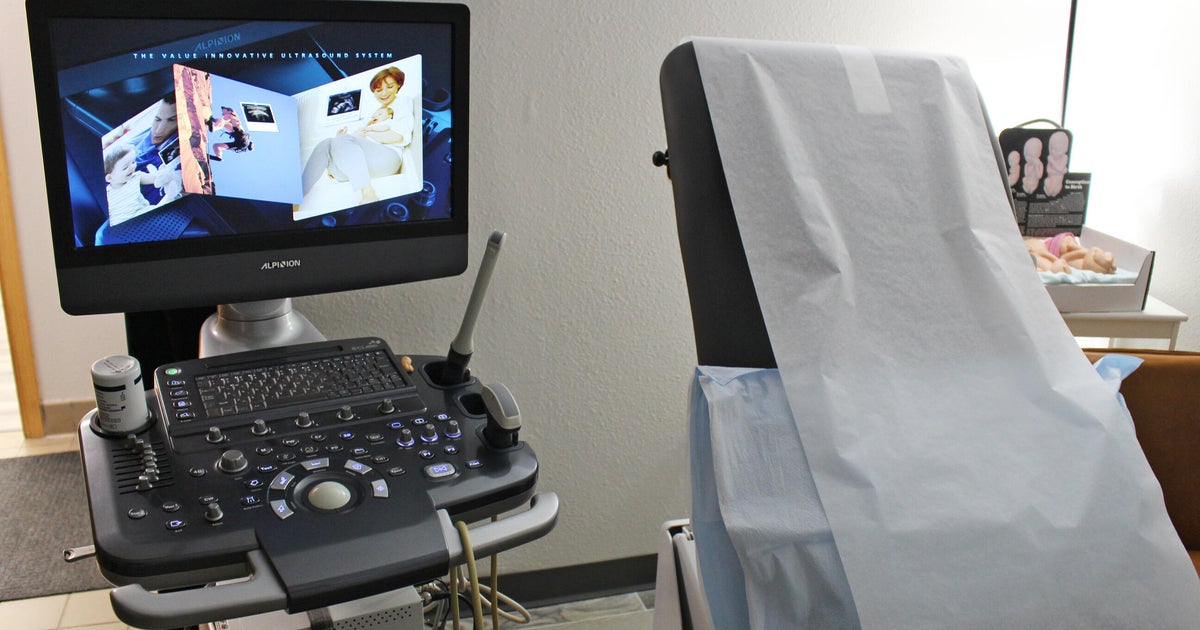
7B Care Clinic, an affiliate of the evangelical network Care Net, has operated in Sandpoint, Idaho since 2001 as a crisis pregnancy center offering pregnancy tests, limited ultrasounds, parenting and life‑skills classes, free baby items, and community support. Donations from local churches, businesses, and individuals fund the center. Traffic to 7B has increased since Bonner General Health closed its labor-and-delivery unit and local OB‑GYNs left the community three years ago. 7B plans to expand its facility and is in talks with a hospital across the state line to bring an OB‑GYN once a week for prenatal care. The article notes a broader trend: since the Supreme Court's Dobbs decision, Idaho lost about a third of its OB‑GYNs by late 2024, and crisis pregnancy centers nationwide are expanding into areas with limited maternal care. Public health researchers and reproductive-rights advocates express concerns that many crisis pregnancy centers are unregulated, sometimes present themselves like medical clinics, and have been documented to use misleading practices. Supporters and some local clinicians say the centers provide helpful free resources and referrals in underresourced areas. The story describes local reactions: some residents appreciate the support services but worry about relying on a faith‑based, anti‑abortion organization for clinical information and care. The article also notes recent federal and state actions that have increased legal protections and visibility for such centers.
Biblical Reflection
From a Christian perspective, this story raises two converging responsibilities: to offer compassionate, practical care to vulnerable mothers and families, and to uphold honesty, competence, and the well‑being of those in our care. The center’s provision of diapers, classes, emotional support, and referrals reflects the biblical call to care for the needy (Matthew 25), and local churches supporting such ministries can be a tangible expression of mercy. At the same time, Christians must take seriously the call to truthfulness and to avoid causing harm. If an organization represents itself in ways that blur medical credentials or downplays clinical limitations, that misrepresentation is morally wrong and endangers trusting people seeking care. The article reveals a broader societal problem: when public healthcare capacity shrinks, nonmedical faith groups often fill gaps — which can be an act of service but should not substitute for appropriately regulated medical care. A faithful response would celebrate and support charitable service while insisting on transparency, appropriate medical referrals, and partnerships with licensed clinicians so that vulnerable people receive both loving support and safe, evidence‑based medical care. Christians should also be attentive to power dynamics: legal protections and funding that favor faith‑based centers can shape local care options; believers should advocate that mercy ministries operate ethically and that communities pursue access to comprehensive, regulated healthcare alongside compassionate support.
Scripture in context
This outlook does not yet include contextual Scripture citations. Do not treat a general biblical theme as an exegetical conclusion.
Faithful Response
No prescribed response is offered. Consider the reflection prompts below in your own church context.
Reflection and Discussion
- 1Does the presence of faith‑based care in a medical desert primarily meet practical needs, or does it risk replacing regulated medical services when clinical care is required?
- 2How would you evaluate whether a ministry is serving people in both mercy and truth—are its services transparent about medical limits and referrals?
- 3What responsibilities do churches and Christian ministries have to partner with licensed clinicians and to advocate for systemic solutions to local healthcare shortfalls?
Sources
Reporting links are evidence inputs; Sanctuary News' biblical reflection is commentary.
This outlook currently relies on fewer than two linked sources. Broaden verification before teaching from it.
- 1.Original reportprimary