News Summary
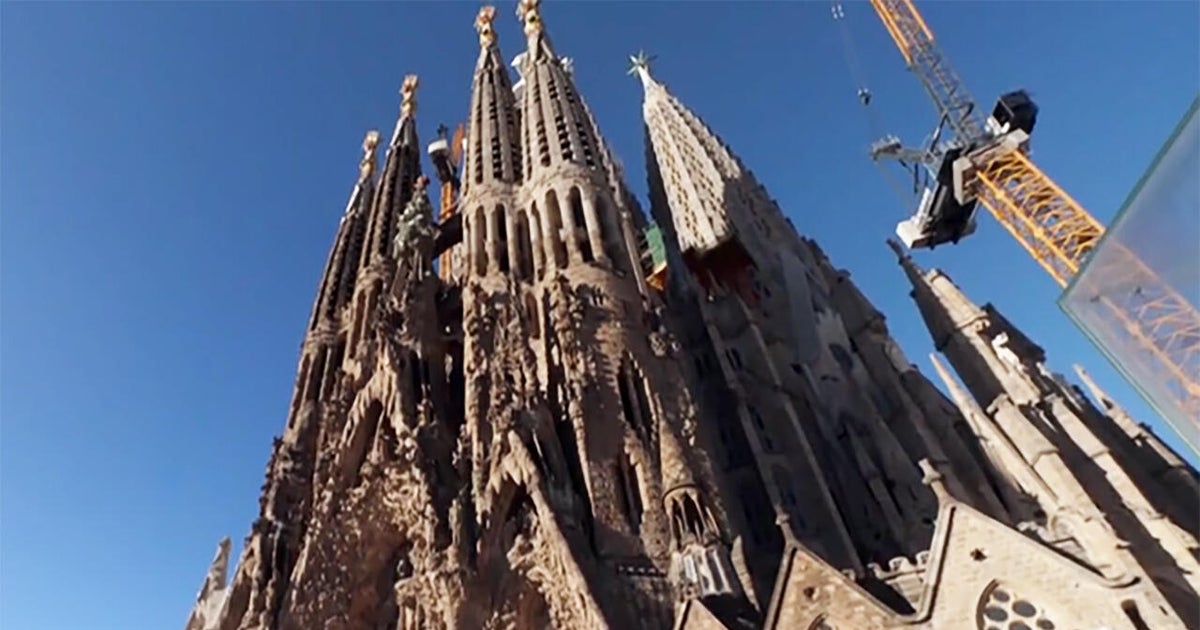
The Sagrada Família in Barcelona, designed by Antoni Gaudí and under construction since the 1880s, recently had its newest of 18 towers (dedicated to Jesus) topped with a cross, making it the tallest church in the world. The basilica reaches about 566 feet and was described by its architects as following Gaudí's intent to make a "Bible out of stone." Gaudí died 100 years ago; at his death only around 10–15% of the church was complete. Much original material and models were destroyed during the Spanish Civil War and have been reconstructed from surviving pieces and photographs. Modern construction uses digital design, modular methods, and geometric analysis of Gaudí's forms. The project is funded by visitor revenues—nearly five million visitors last year and over $150 million in ticket sales—and is Spain's top tourist site. The article notes tensions including criticism over aesthetics, overtourism (protests and complaints), and future work that could require demolishing nearby homes and businesses; completion timelines remain uncertain.
Biblical Reflection
The article is largely factual and celebratory of human ingenuity, beauty, and continuity across generations. From a Christian perspective, Gaudí’s stated aim—to make architecture that proclaims Scripture and points to God—is an admirable instance of using gifts to glorify the Creator. Yet the piece also reveals a tension between sacred purpose and commercial tourism: costly ticket revenues and a crowd culture more likely to produce selfies than prayer indicate that a holy work can easily become an entertainment asset. The story under-emphasizes the lived consequences for neighbors whose homes or livelihoods might be altered by future construction, and it gives limited space to parish life or how the basilica functions as a place of worship amid mass tourism. Christians should value the way beauty can lift the heart toward God, but also ask how stewardship, neighbor-love, and humility are being practiced where sacred art meets commerce. The article's tone leans toward admiration and heritage preservation; readers should note that cultural pride and economic interests can shape the narrative and crowd out voices of local residents and the poor.
Scripture in context
This outlook does not yet include contextual Scripture citations. Do not treat a general biblical theme as an exegetical conclusion.
Faithful Response
No prescribed response is offered. Consider the reflection prompts below in your own church context.
Reflection and Discussion
- 1How does presenting a sacred building primarily as a tourist attraction change our understanding of its purpose and responsibility?
- 2Whose voices are missing from narratives of heritage projects—do local residents and the poor have equal say when Holy places are developed and monetized?
- 3When celebrating craftsmanship and legacy, are we also paying attention to stewardship, justice, and the needs of present communities?
Sources
Reporting links are evidence inputs; Sanctuary News' biblical reflection is commentary.
This outlook currently relies on fewer than two linked sources. Broaden verification before teaching from it.
- 1.Original reportprimary