News Summary
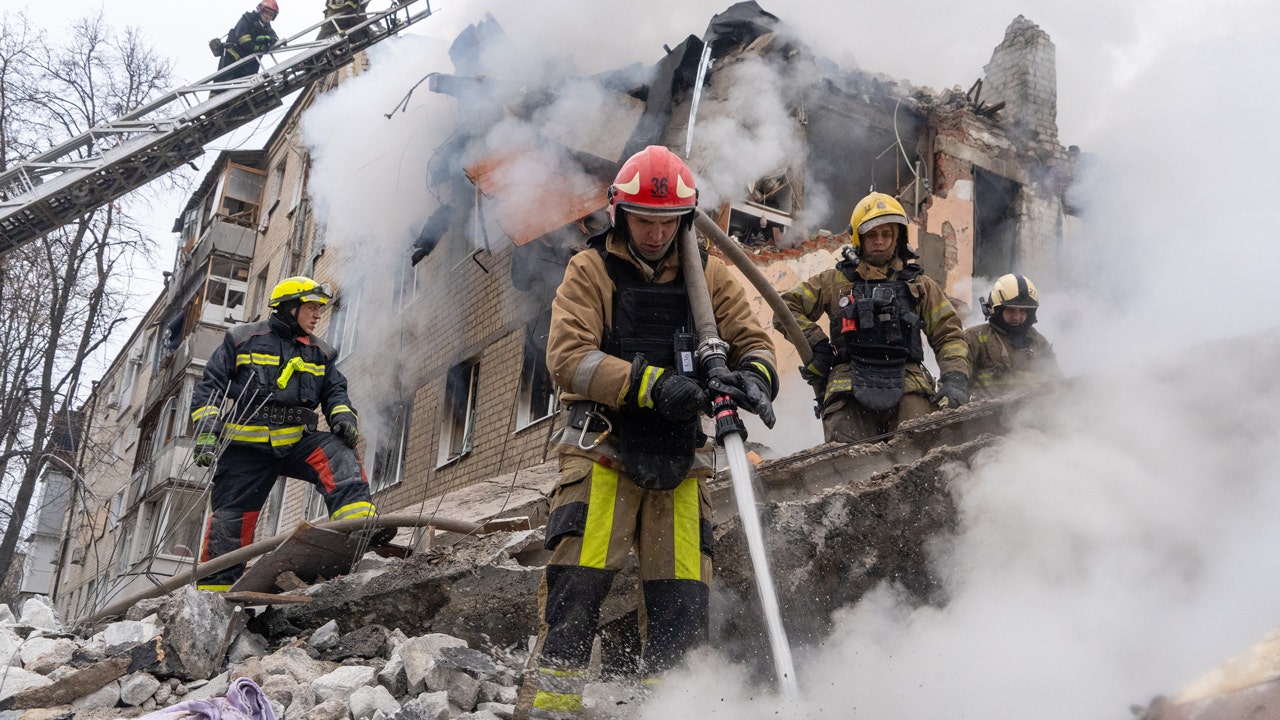
A Russian missile attack on a residential building in Kharkiv, Ukraine, killed at least 10 people, including two children, and wounded 16 others. This strike was part of a larger overnight assault involving 29 missiles and 480 drones targeting Ukrainian energy infrastructure, with multiple locations affected. Ukrainian President Volodymyr Zelenskyy called for a strong international response to the ongoing aggression and thanked international partners for their support. Ukraine reportedly intercepted many of the missiles and drones, but several still hit their targets. Russia claimed the strikes were aimed at military and energy facilities. In the United States, former President Donald Trump commented on the difficulty of peace negotiations, citing deep 'hatred' between Russia and Ukraine as a major obstacle. He emphasized the high casualty rates and suggested that the conflict does not directly impact the U.S. due to geographical distance, framing American involvement as an act of favor towards Europe and life itself. Zelenskyy previously accused Russia of stalling peace efforts brokered by the U.S.
Biblical Reflection
From a biblical perspective, the loss of innocent life and the ongoing violence in Ukraine are deeply grievous. Scripture teaches that every person is made in the image of God (Genesis 1:27), and the deliberate targeting of civilians, especially children, stands in stark contrast to God's command to love our neighbors and seek peace (Matthew 5:9). The entrenched 'hatred' between peoples, described by President Trump, is a tragic reminder of the human condition marred by sin and division. The Bible warns against harboring hatred (1 John 2:9-11) and calls for reconciliation and peacemaking. The reluctance of global leaders to fully confront violence or prioritize peace due to political calculations weighs heavily against the biblical imperative to 'defend the cause of the oppressed' (Isaiah 1:17). Christians are called to mourn with those who mourn (Romans 12:15), pray for peace, and advocate for justice, refusing to become numb to suffering even when it occurs far from home. The passage also challenges believers to examine their own responses—are we indifferent, or do we, as Christ commands, act as peacemakers and intercessors?
Scripture in context
This outlook does not yet include contextual Scripture citations. Do not treat a general biblical theme as an exegetical conclusion.
Faithful Response
No prescribed response is offered. Consider the reflection prompts below in your own church context.
Reflection and Discussion
- 1How do I respond in my heart to news of violence and suffering far from my own community?
- 2In what ways can I practically advocate for peace and justice, even when the conflict seems distant or complex?
- 3Am I praying for both victims and those who perpetrate violence, seeking God's transformation in all hearts?
Sources
Reporting links are evidence inputs; Sanctuary News' biblical reflection is commentary.
This outlook currently relies on fewer than two linked sources. Broaden verification before teaching from it.
- 1.Original reportprimary