News Summary
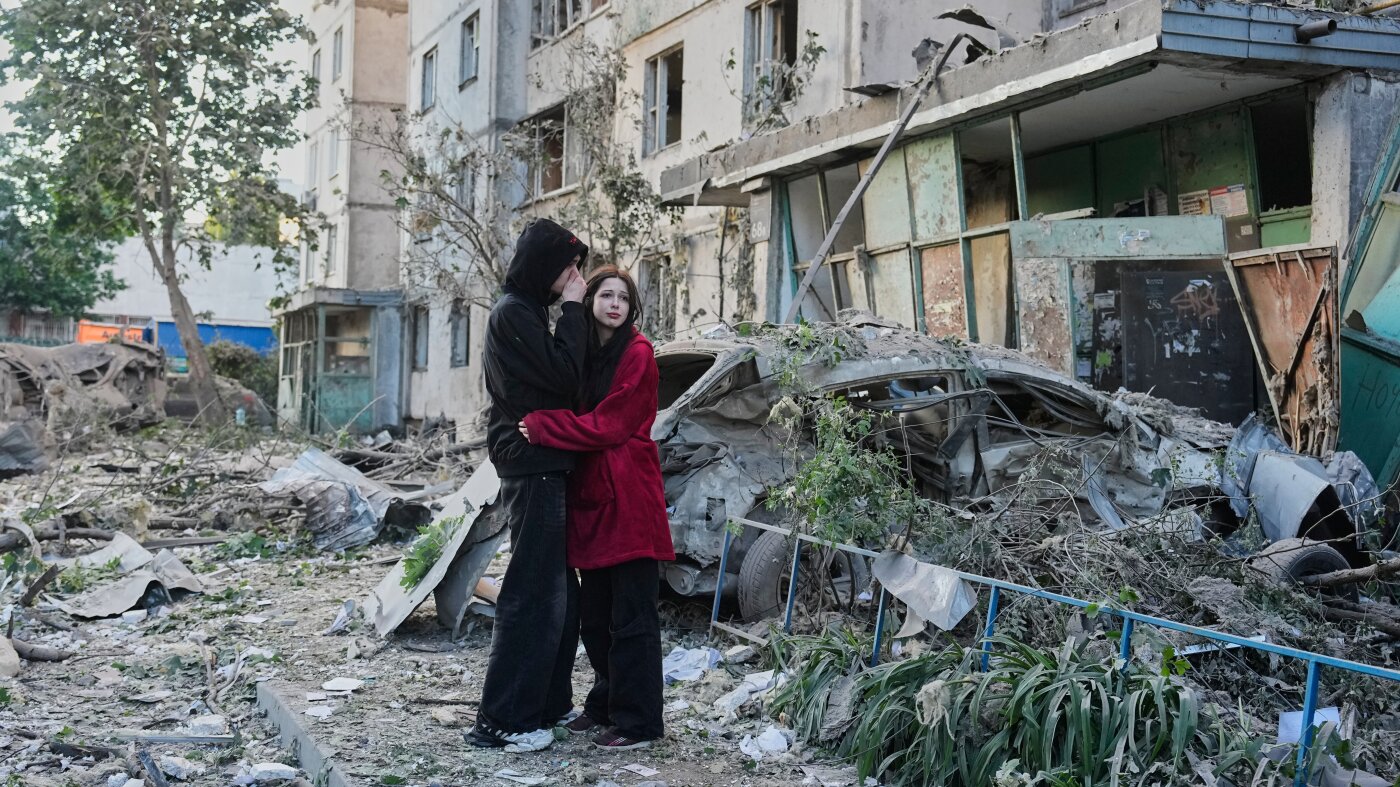
On the night of June 1–2, 2026, Russian forces launched a large aerial attack on multiple Ukrainian cities. Ukraine's air force reported 73 missiles and 656 drones were used; Ukrainian air defenses destroyed or suppressed 40 missiles and 602 drones. Authorities said at least 14 civilians were killed and more than 100 wounded across the country, with casualties and damage reported in Kyiv, Dnipro (Dnipropetrovsk region), Poltava, Kharkiv, Zaporizhzhia and other areas. In Dnipro, emergency crews recovered the body of a 3-year-old; rescue operations were ongoing in Kyiv where people were trapped under rubble after residential buildings were hit, including damage in Podilskyi and Solomianskyi districts. Regional officials reported at least eight deaths and 35 injuries in Dnipropetrovsk region and at least four deaths and 63 injured in Kyiv; dozens of residential buildings, apartments and other civilian infrastructure were damaged. Ukraine and Western analysts characterized the strikes as part of an intensified Russian aerial campaign that has included a recent hypersonic Oreshnik ballistic missile launch; Russia's Defense Ministry said the strikes targeted military-industrial facilities in several regions. Ukrainian officials said the attacks exploited shortages of long-range Western air-defense missiles, leaving civilians more exposed to ballistic missile barrages even as many attack drones were intercepted.
Biblical Reflection
The article reports a tragic escalation that places civilians at acute risk. Its facts are primarily military and humanitarian — casualty counts, weapons used, and locations hit — and it includes both Ukrainian and Russian claims, though some explanatory statements (for example about motivations or Putin seeking positive news) are interpretive. From a Christian perspective, the most important truths are both factual and moral: these are human lives harmed and homes destroyed, and reporting should keep victims at the center rather than reduce them to statistics. The piece also invites discernment about sources and framing — official statements from combatants and militaries have strategic purposes, and analysis about shortages or motives can be incomplete or speculative. Christians should respond with a commitment to truth (carefully weighing verified facts), mercy (praying for and supporting the suffering), humility (recognizing limits of one-sided information), and a pursuit of peace that refuses to normalize violence. At the same time, biblical justice allows for calling out actions that deliberately endanger civilians and for advocating humanitarian relief and protection for the vulnerable.
Scripture in context
This outlook does not yet include contextual Scripture citations. Do not treat a general biblical theme as an exegetical conclusion.
Faithful Response
No prescribed response is offered. Consider the reflection prompts below in your own church context.
Reflection and Discussion
- 1Whose voices are centered in this coverage — civilians, military officials, or political leaders — and how does that choice shape our understanding of the event?
- 2What assumptions about military necessity, deterrence, or retaliation underlie the analysis, and are those assumptions named and tested against the humanitarian facts?
- 3How does the reporting invite Christians to hold together commitments to truth, compassion for victims, and measured advocacy for protection and peace?
Sources
Reporting links are evidence inputs; Sanctuary News' biblical reflection is commentary.
This outlook currently relies on fewer than two linked sources. Broaden verification before teaching from it.
- 1.Original reportprimary