News Summary
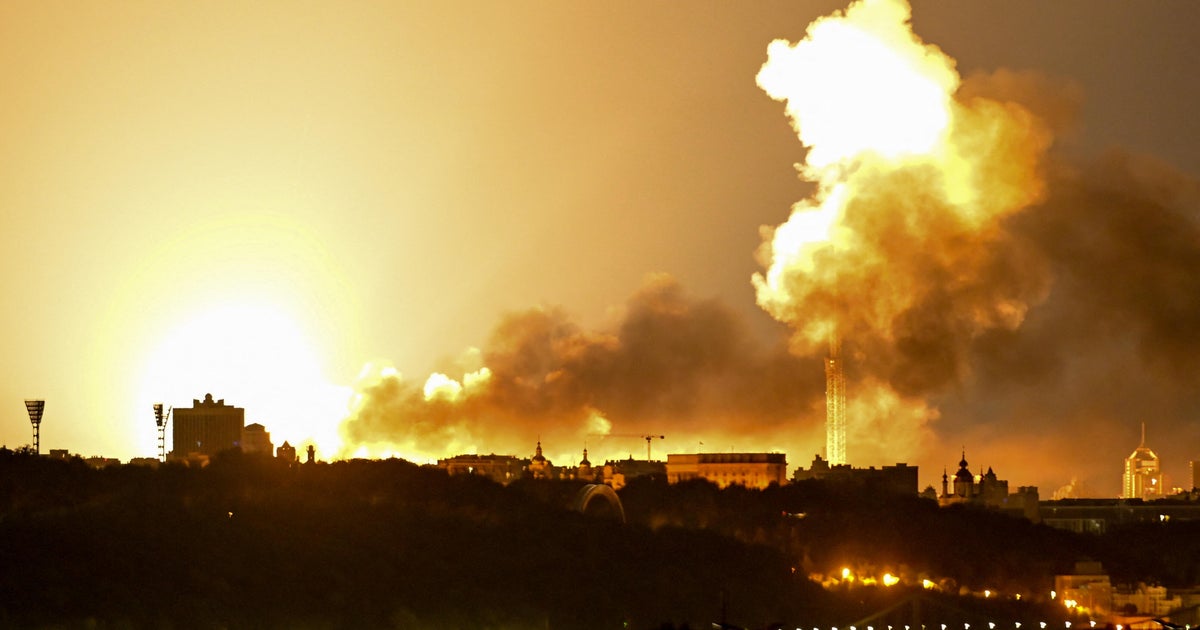
Ukrainian and international authorities reported that Russian forces launched a large overnight barrage of missiles and drones on June 1–2, 2026. Ukraine's air force said Russia fired 656 drones and 73 missiles; Ukrainian defenses downed or neutralized most of them (reported as 602 drones and 40 missiles), but strikes hit 38 sites with Kyiv a principal target. Ukrainian officials said at least 13 people were killed and dozens wounded across multiple cities. Kyiv Mayor Vitali Klitschko reported four deaths and at least 58 wounded in the capital; Ukrainian President Volodymyr Zelenskyy reported nine deaths, including one child, after an apartment building collapse in the industrial city of Dnipro and said some people remained unaccounted for under rubble. Local officials also reported casualties in Kharkiv and other areas. AFP and Reuters journalists heard explosions in Kyiv; power outages and fires were reported and many residents sought shelter. Russia's military said it used a “massive strike,” including hypersonic missiles, and that its targets were elements of Ukraine's military-industrial complex. Separately, Russian regional officials reported a Ukrainian drone strike that killed one person in Russia's Kursk region and a drone-caused fire at an oil refinery in Krasnodar. Ukrainian officials and the president urged allies for more air-defense support (including Patriot systems); Ukrainian officials and some news agencies noted a sharp rise in long-range drone attacks in May (reported as a record 8,150) and that Ukraine intercepted about 90% of incoming drones and missiles in that month, according to air force data. Reporting includes different casualty figures from Ukrainian officials, local governors, and international news agencies.
Biblical Reflection
From a Christian perspective, this report highlights the immediate human cost of prolonged armed conflict: civilian deaths, wounded families, destroyed homes, and disrupted infrastructure. The article relies primarily on statements from the Ukrainian air force, Ukrainian officials, and Russian military claims; both sides frame the attacks to serve military and political aims. That means readers should discern between verifiable facts (damage, casualty reports, flight-intercept figures cited by authorities, observable outages and sheltering) and partisan or rhetorical language (accusations of terror, declarations of being a ‘loser,’ or broad strategic claims). Scripture calls Christians to defend the vulnerable, seek justice, and pursue peace. Practically, that means mourning the dead, supporting humanitarian relief, praying for civilians and responders, and pressing leaders for measures that minimize civilian harm—while also resisting the temptation to simplify complex causes into propaganda talking points. The article also shows how modern warfare blurs front lines and increases civilian risk; Christians should care for victims on all sides, advocate for accountability for war crimes, and promote avenues that protect life and create conditions for a just and lasting peace.
Scripture in context
This outlook does not yet include contextual Scripture citations. Do not treat a general biblical theme as an exegetical conclusion.
Faithful Response
No prescribed response is offered. Consider the reflection prompts below in your own church context.
Reflection and Discussion
- 1Which details in this coverage come from military or political claims and which are independently verifiable, and how should that shape my confidence in different statements?
- 2How does the language used by officials and media (e.g., 'terror,' 'massive strike,' 'loser') shape our moral perception of the conflict, and am I giving room to mercy and truth in my response?
- 3In what ways can the church respond that both upholds justice and provides practical care for civilians affected by this violence?
Sources
Reporting links are evidence inputs; Sanctuary News' biblical reflection is commentary.
This outlook currently relies on fewer than two linked sources. Broaden verification before teaching from it.
- 1.Original reportprimary