News Summary
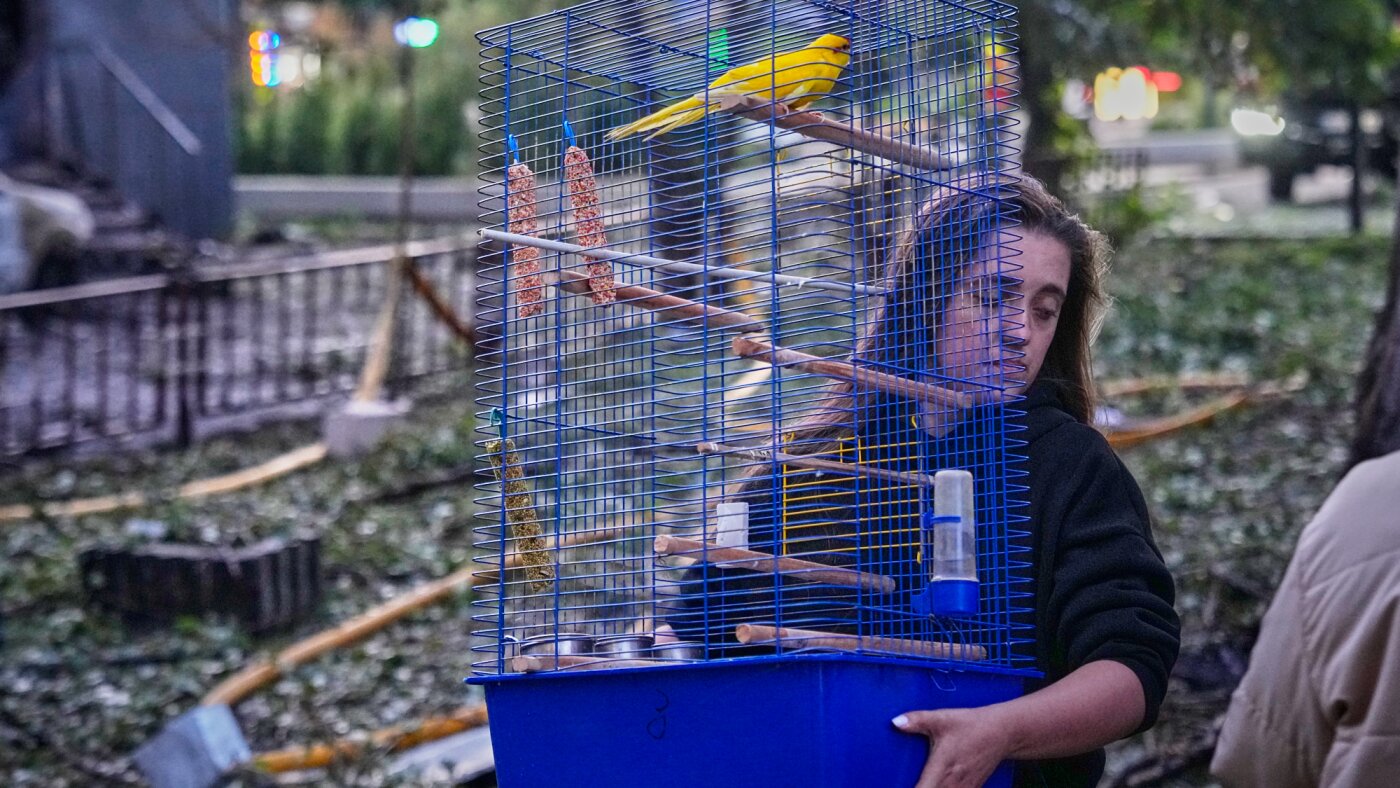
Reported facts: An overnight attack on Kyiv around 1:30 a.m. on July 19, 2026, produced explosions across the city; Ukrainian authorities reported one dead and 16 wounded, fires in five districts, and damage to residential, commercial, and industrial sites. The Ukrainian air force reported 41 missiles and 125 attack drones were launched across Ukraine, including 25 ballistic missiles; Ukrainian forces reportedly intercepted/suppressed 108 drones and 18 missiles and later said at least 17 ballistic missiles were shot down. Russia’s defense ministry claimed the strikes targeted Ukrainian military-linked production and a postal terminal. Contextual claims: Ukraine’s Patriot interceptor supplies are described as depleted and a recent earlier attack exposed gaps in air defenses. Attribution and uncertainty: missile and drone counts and interception totals are reported as Ukrainian military figures; Russian statements about targets are claims by Russia’s defense ministry and are not independently verified in the article. The report also references a U.S. statement about licenses for Ukraine to produce Patriot interceptors, with details unresolved.
Source and Framing Analysis
Source role: The piece is a news report republishing Associated Press reporting on an active military strike; it relies on statements from Ukrainian authorities, eyewitnesses, and Russia’s defense ministry. Missing voices: independent third-party verification (satellite imagery, international monitors), non-governmental humanitarian actors, victims beyond a few eyewitnesses, and technical analysis of intercept claims are absent. Incentives and framing: Ukrainian authorities have an incentive to document attacks and mobilize international support; Russia’s defense ministry has incentive to frame strikes as military targeting. The article responsibly attributes claims but does not resolve contested assertions about targets or exact interception tallies. What requires independent verification: the precise numbers of missiles/drones launched and intercepted, the exact targets and whether they were legitimate military objectives, civilian casualty counts, and status of Patriot interceptors and production licenses.
Biblical Reflection
This report documents civilian harm and ongoing military operations that deepen an already destructive conflict. The article largely relays figures and claims from Ukrainian authorities and Russia’s defense ministry without independent verification; readers should note which assertions are attributed and which are confirmed. From a Christian perspective, the moral urgency is clear: protect the vulnerable, mourn civilian loss, and seek truthful accountability. The narrative shows how war normalizes fear and erodes daily life — Christians are called both to lament and to pursue concrete acts of mercy, truthful witness, and advocacy for restraint and humanitarian access. Be wary of narratives that either sanitize military effects by focusing only on claimed military targets or that reduce every report to propaganda; instead, center the human cost and press for independent verification and relief for civilians.
Scripture in context
- 1Matthew 5:9 — Part of the Sermon on the Mount, this saying addresses the ethic of peacemaking within Jesus' broader teaching about the character of his followers and the kingdom life. — In the face of violence, the passage calls Christians to be active peacemakers — not passive or indifferent — working to reduce harm and restore relationships where possible.
- 2Romans 12:18 — Paul urges the Roman church toward practical ethics for living among a diverse and often hostile society, emphasizing prudence in maintaining peace where possible. — This counsel encourages believers to pursue peaceful relations and to engage prudently with complex political realities, including supporting humanitarian relief and honest diplomacy.
Faithful Response
Pray regularly for civilians, emergency responders, and leaders on all sides while resisting dehumanizing rhetoric.
Give to vetted humanitarian organizations providing medical care, shelter, and evacuation assistance to civilians in Ukraine.
Stay informed from multiple independent sources and hold public leaders accountable for policies that protect civilians and expand humanitarian access.
Offer pastoral care to those in your congregation affected by the conflict, including refugees, veterans, and families of the bereaved.
Reflection and Discussion
- 1Which statements in the piece are direct claims from military or government sources, and what independent evidence would you look for to corroborate them?
- 2How might emphasizing strategic or military details rather than civilian harm shape public sympathy and policy responses?
- 3Where do we see calls for mercy and justice in the reporting, and do those calls receive sufficient attention?
Sources
Reporting links are evidence inputs; Sanctuary News' biblical reflection is commentary.
This outlook currently relies on fewer than two linked sources. Broaden verification before teaching from it.
- 1.Deadly overnight Russian attack on Ukraine targets the capitalprimary_reporting