News Summary
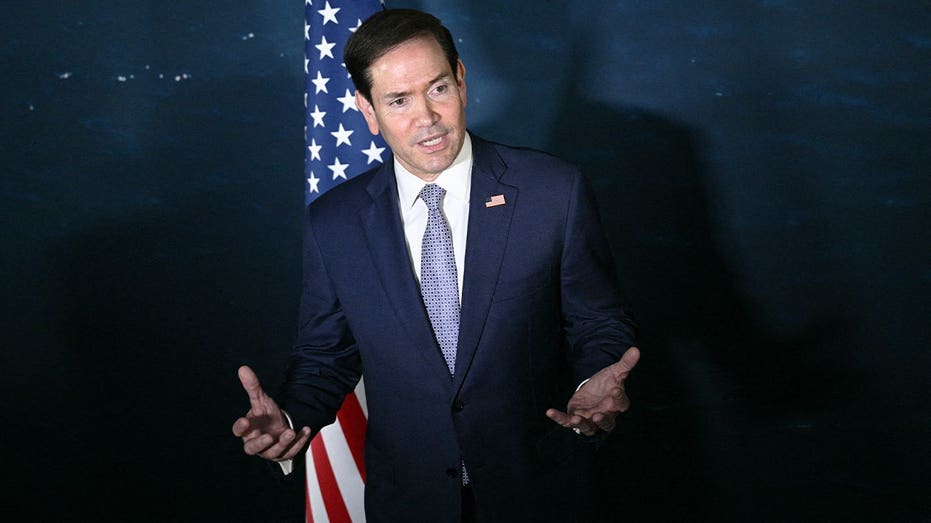
Reported facts: Fox News published an article on July 22, 2026, summarizing an accusation by Sen. Marco Rubio. Attributed claim(s): Rubio accused Iran of flying IRGC personnel into Yemen and said those flights contributed to a renewed confrontation between Saudi Arabia and Houthi forces. Uncertainty: the article supplies Rubio's allegation without independent corroboration, documentary evidence (e.g., flight logs), or statements from Iran, the IRGC, Yemeni actors, Saudi authorities, or intelligence officials.
Source and Framing Analysis
The piece primarily relays an accusation made by a public official rather than presenting new primary evidence. That makes the story hinge on the credibility and motives of the accuser and the availability of corroborating information. The lack of independent verification materially affects the strength of the claim and the seriousness of any policy response; readers should treat the allegation as unproven until confirmed by multiple, independent sources or official statements.
Biblical Reflection
This report is a reminder that accusations about foreign military activity carry both factual and moral weight. Christians are called to love truth and neighbor: truth requires careful verification of claims that could inflame conflict, and love of neighbor demands seeking peace and protection for civilians who suffer most in escalations. Public accusations by political figures may be motivated by national security concerns, partisan positioning, or a combination; regardless of motive, believers should ask whether repeating an unverified claim serves justice, mercy, and peace.
From a pastoral perspective, Christians should resist the rush to amplify allegations that could stoke fear or justify retaliation without clear evidence. At the same time, silence in the face of possible wrongdoing is not always virtue—there is a responsibility to seek truth, to advocate for vulnerable people affected by conflict, and to support diplomatic, humanitarian, and de‑escalatory measures. Prayerful discernment, sober inquiry, and compassionate action toward civilians are appropriate Christian responses in uncertain and dangerous situations.
Practically, the church’s immediate role is not to adjudicate intelligence claims but to model humility, truthfulness, and peacemaking. Christians can use their voices to call leaders to transparency where appropriate, to urge restraint and diplomacy, and to care for refugees and victims of violence regardless of which side they come from.
Scripture in context
- 1Matthew 5:9 — Part of the Sermon on the Mount where Jesus blesses those who embody the values of the kingdom, calling his followers to active peacemaking rather than mere avoidance of conflict. — This passage calls Christians to pursue peace and reconciliation; when faced with accusations that could escalate violence, the church should prioritize verified truth and peacemaking efforts.
- 2Proverbs 18:17 — A proverb about the reliability of different witnesses and the need to hear multiple sides before drawing conclusions. — The proverb underscores the importance of corroboration and careful judgment—appropriate when public figures make serious allegations that could lead to conflict.
Faithful Response
Pray specifically for civilians in Yemen, Saudi Arabia, and Iran and for wisdom for leaders and diplomats.
Avoid amplifying unverified allegations on social media; seek corroboration from independent sources before sharing.
Support humanitarian efforts that help those harmed by the conflict—donate, volunteer, or advocate for safe aid corridors.
Encourage local church teaching and conversation that emphasizes truth-seeking, humility, and care for neighbors across national and ethnic lines.
Reflection and Discussion
- 1How should Christians weigh unverified public accusations about war-related activity before sharing or acting on them?
- 2In what concrete ways can believers promote peace and protect civilians when regional tensions rise based on contested claims?
- 3Does repeating an influential politician’s allegation help or harm the cause of truth and peacemaking in situations that could escalate into wider conflict?
Sources
Reporting links are evidence inputs; Sanctuary News' biblical reflection is commentary.
This outlook currently relies on fewer than two linked sources. Broaden verification before teaching from it.
- 1.Rubio accuses Iran of flying IRGC personnel into Yemen as Houthi threat escalatesprimary_reporting