News Summary
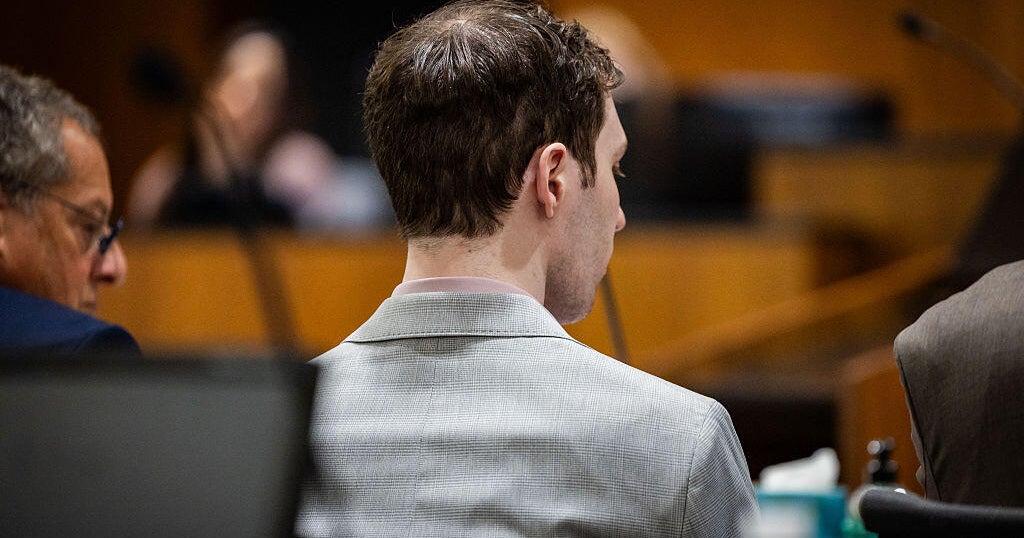
At a Utah preliminary hearing prosecutors sought to show there is enough evidence to bind Tyler Robinson to stand trial on an aggravated murder charge in the Sept. 10 killing of conservative activist Charlie Kirk; prosecutors are seeking the death penalty. Authorities presented forensic evidence including a bolt‑action rifle found wrapped in a towel near the shooting site, and DNA testing that an analyst said matched two people — Lance Twiggs (the defendant's roommate) and a person very likely to be Robinson. Court documents allege Robinson exchanged texts with Twiggs on the day of the shooting in which Robinson purportedly wrote, "I am, I'm sorry." Lance Twiggs provided recorded video statements to investigators on April 20 and was granted "use immunity," meaning prosecutors agreed not to use those statements against someone in a criminal case. Defense attorneys have questioned the reliability of the DNA testing and indicated they will object to introduction of the videotaped statements and sought redactions; prosecutors argued those matters can be tested at trial. Robinson turned himself in the day after the shooting; he has no prior criminal record and has not yet entered a plea. The preliminary hearing is expected to conclude Friday, after which the judge will decide whether the case should proceed to trial.
Biblical Reflection
The article reports courtroom developments and competing claims of prosecutors and defense counsel: forensic evidence and recorded statements on one side, challenges to reliability and admissibility on the other. Christians should note the article's neutral factual tone but remain alert to how immunity deals and forensic certainty are presented as decisive even while they are contested in court. Pursuing justice for a murdered person and care for the victim's family are rightly urgent; at the same time the legal system's protections — cross‑examination, evidentiary rules, presumption of innocence — exist to reduce wrongful conviction and uphold true justice. The mention of the death penalty adds a grave moral dimension: Christians are called to seek truth and protection for the innocent, but also to weigh mercy, the value of life, and caution about irreversible punishments. Be wary of quick judgments based on partial evidence or emotionally charged details; support for victims' families and respect for fair process are both biblical priorities.
Scripture in context
This outlook does not yet include contextual Scripture citations. Do not treat a general biblical theme as an exegetical conclusion.
Faithful Response
No prescribed response is offered. Consider the reflection prompts below in your own church context.
Reflection and Discussion
- 1How does an immunity agreement for a close witness affect how we evaluate the reliability and motives behind their statements?
- 2What safeguards should we expect from the criminal justice process when forensic evidence is presented but also contested?
- 3When a case raises the death penalty, how should Christians balance the demand for justice with the call to mercy and the possibility of error?
Sources
Reporting links are evidence inputs; Sanctuary News' biblical reflection is commentary.
This outlook currently relies on fewer than two linked sources. Broaden verification before teaching from it.
- 1.Original reportprimary