News Summary
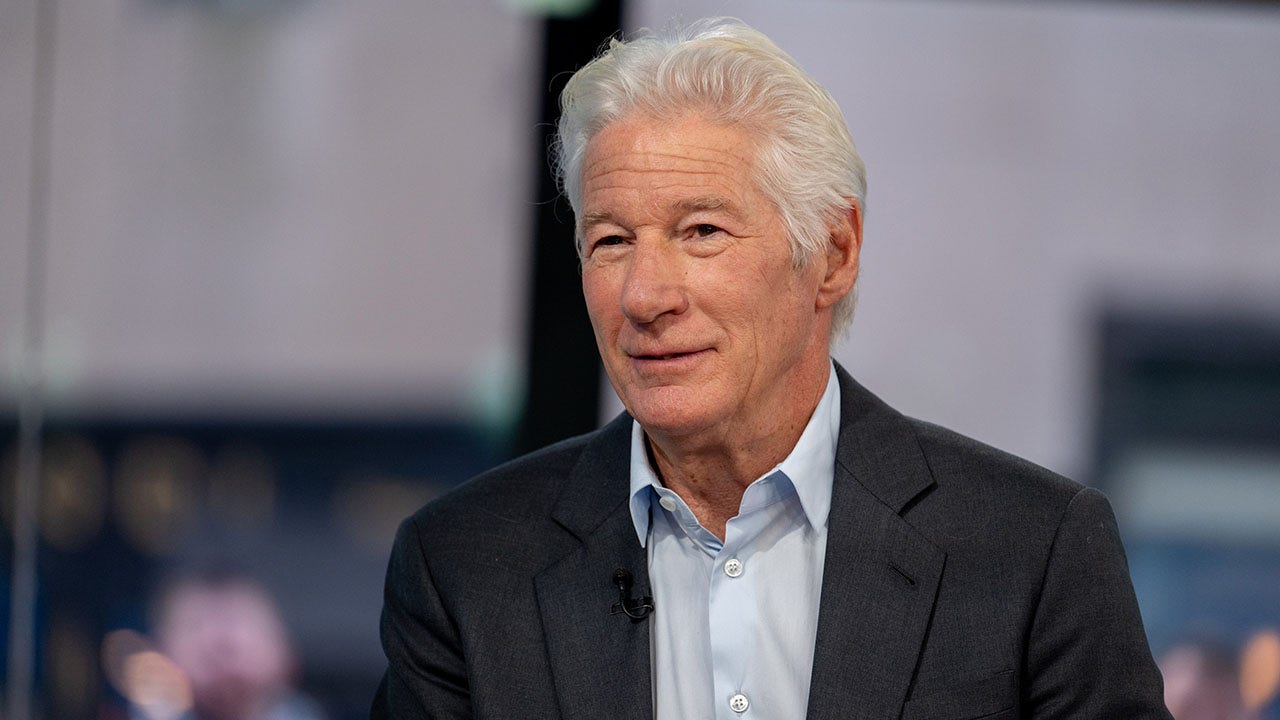
The article covers actor Richard Gere's public comments regarding his near 20-year absence from the Academy Awards, which followed his unscripted condemnation of China's human rights abuses in Tibet during the 1993 Oscars ceremony. Gere reflected that he did not take his exclusion personally, emphasizing his intent to stand against anger, exclusion, and human rights abuses while holding a view that all people are redeemable. Inspired by his friendship with the Dalai Lama, Gere has continued activism and executive produced a documentary about the spiritual leader. The article also touches on Gere's criticism of former President Donald Trump and the current state of American politics, suggesting the nation is on the wrong track and encouraging Americans to elect leaders committed to a higher ethical vision. Gere's comments offer a critique of both Hollywood's disconnection from audiences and the broader moral direction of the United States.
Biblical Reflection
From a biblical perspective, Richard Gere's willingness to publicly denounce human rights abuses—despite personal and professional cost—reflects the biblical call to 'speak up for those who cannot speak for themselves' (Proverbs 31:8). His emphasis on the redeemability of all people echoes the core Christian doctrine of grace and redemption through Christ. However, his remarks also highlight the tension between activism and humility, reminding believers to pursue justice without self-righteousness or bitterness. Gere's critique of leadership and encouragement for citizens to choose leaders who promote peace and justice aligns with scriptural exhortations to seek the welfare of the city (Jeremiah 29:7) and to pray for those in authority (1 Timothy 2:1-2). As Christians, we are called to be salt and light in society—advocating for righteousness and mercy, even when it is unpopular or costly. Yet, we must also guard against divisiveness and pride, remembering that true transformation comes from the work of the Holy Spirit, not merely human effort.
Scripture in context
This outlook does not yet include contextual Scripture citations. Do not treat a general biblical theme as an exegetical conclusion.
Faithful Response
No prescribed response is offered. Consider the reflection prompts below in your own church context.
Reflection and Discussion
- 1When have you felt called to speak up for justice, even if it came at a personal cost?
- 2How do you balance advocating for what is right with maintaining humility and compassion toward those with whom you disagree?
- 3What does it mean for you personally to 'act justly, love mercy, and walk humbly' in today's society?
Sources
Reporting links are evidence inputs; Sanctuary News' biblical reflection is commentary.
This outlook currently relies on fewer than two linked sources. Broaden verification before teaching from it.
- 1.Original reportprimary