News Summary
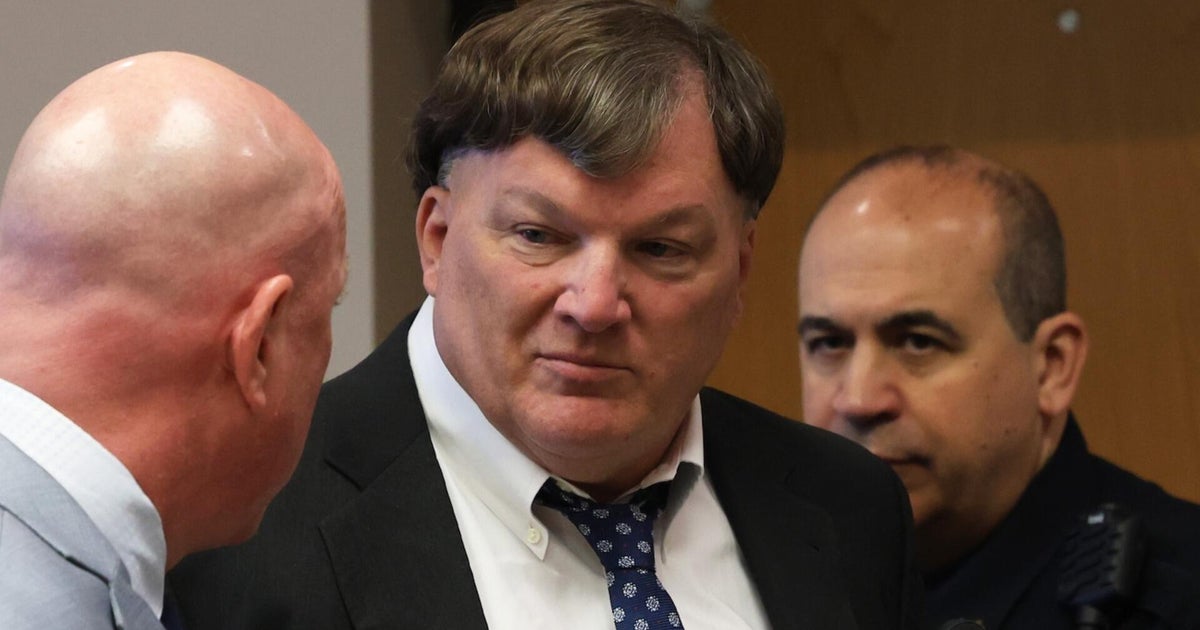
Rex Heuermann, 62, who was arrested in 2023, pleaded guilty in April 2026 to strangling eight women whose remains were later recovered on Long Island in what has been called the Gilgo Beach serial killings. Prosecutors say the victims — identified as Melissa Barthelemy, Megan Waterman, Amber Costello, Maureen Brainard‑Barnes, Sandra Costilla, Jessica Taylor, Valerie Mack, and Karen Vergata — were killed between 1993 and 2010, with most remains found along Ocean Parkway in Babylon between December 2010 and May 2011 and one body found in North Sea. Heuermann was convicted on three counts of first‑degree murder and four counts of second‑degree murder as part of his plea. Prosecutors say evidence included DNA links, a so‑called “blueprint” allegedly used to plan killings, records from burner phones, and electronic device data. Under previously announced terms, prosecutors expect multiple consecutive life sentences and an additional consecutive sentence of 100 years to life for some counts; the plea covers the eighth victim. Heuermann has agreed to cooperate with the FBI Behavioral Analysis Unit. He has been held in the Suffolk County jail in Riverhead since his arrest and will serve his sentence in a state prison. Investigators say he may be linked to additional killings. A sentencing hearing on Long Island is scheduled, with families preparing victim impact statements; it is unclear whether Heuermann will speak.
Biblical Reflection
The article reports a major criminal sentencing matter with clear public‑safety and justice implications and largely sticks to prosecutorial facts. From a Christian perspective, this is a case where truth, accountability, and compassion should all be held together: truth in establishing what happened; accountability in seeing justice served; and compassion for the victims’ families and for lives that society too often marginalized. The coverage emphasizes the perpetrator’s actions and the lurid details of planning and dismemberment; that focus can deepen public fascination with violence and inadvertently eclipse the dignity and stories of the women who were killed. The piece also notes cooperation with the FBI, which could aid other investigations — a sober reminder that pursuing truth can serve broader communal safety. Christians should be wary of voyeuristic interest in grisly details, insist on truthful reporting that restores victim dignity, and press for improved protections and pastoral care for vulnerable people, including those in the sex trade. At the same time, biblical justice calls for measured accountability; the legal penalties described respond to the gravity of the crimes and the harm done. Finally, the article’s framing is largely factual but leans on prosecutorial perspectives; readers should note that legal summaries and quoted experts reflect an institutional viewpoint and may omit deeper systemic questions about prevention, marginalization, and long‑term healing.
Scripture in context
This outlook does not yet include contextual Scripture citations. Do not treat a general biblical theme as an exegetical conclusion.
Faithful Response
No prescribed response is offered. Consider the reflection prompts below in your own church context.
Reflection and Discussion
- 1Whose stories does the coverage center — the perpetrator’s or the victims’ — and how does that choice shape public sympathy and memory?
- 2How can Christians balance the call for just punishment with compassionate care for grieving families and renewed attention to protecting vulnerable people?
- 3What structural or social blind spots (stigma toward sex workers, investigative delay, resource limits) does this case reveal that require community and policy responses?
Sources
Reporting links are evidence inputs; Sanctuary News' biblical reflection is commentary.
This outlook currently relies on fewer than two linked sources. Broaden verification before teaching from it.
- 1.Original reportprimary