News Summary
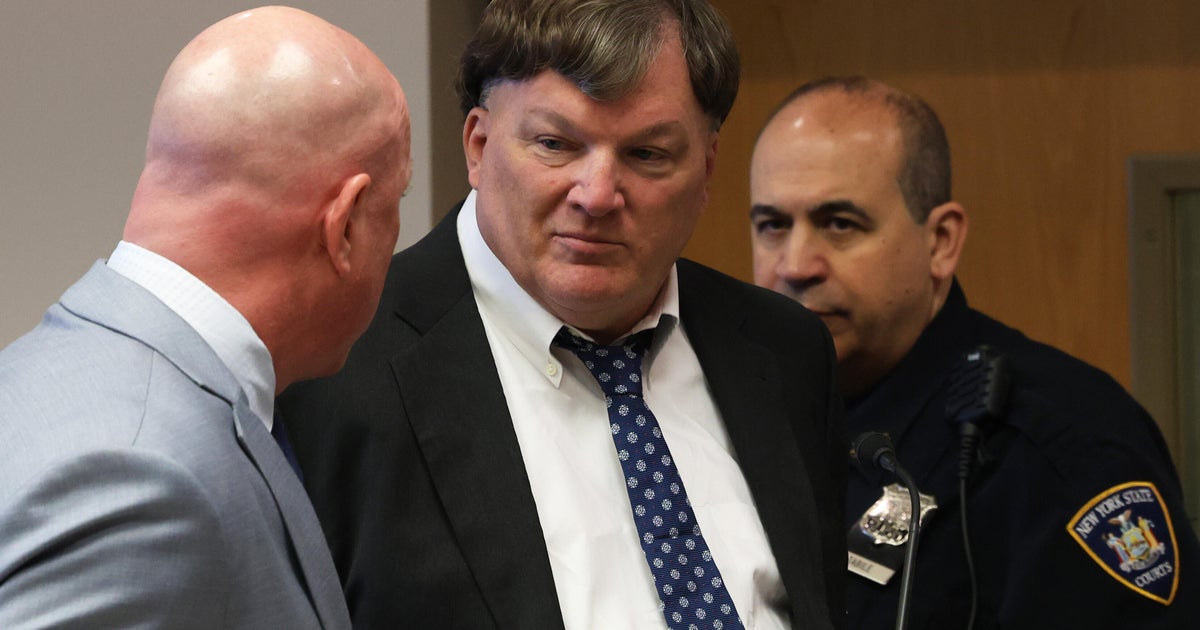
Rex Heuermann, 62, pleaded guilty in Riverhead, New York court to seven murders and admitted killing an eighth woman connected to the Gilgo Beach investigation. He explicitly acknowledged strangling multiple victims; named victims include Maureen Brainard-Barnes, Jessica Taylor, Valerie Mack, Sandra Costilla, Karen Vergata, Melissa Barthelemy, Megan Waterman and Amber Costello. Sentencing was set for June 17; the District Attorney recommended three consecutive life-without-parole terms followed by four consecutive 25-years-to-life terms. In exchange for the guilty pleas, prosecutors will not pursue further prosecutions for the eight victims. Heuermann said he will cooperate with the FBI. Evidence cited by prosecutors included a witness match to a vehicle registered to Heuermann, cell‑tower location data placing his phone near victims, a DNA match from a discarded pizza crust, and hairs recovered on items found with victims. Courtroom observers included family members of victims and Heuermann’s ex-wife and daughter; defense counsel maintained his family had no involvement. Heuermann was arrested in July 2023 and investigators allege the remains of 11 people were discovered around Gilgo Beach in 2010–2011; authorities have said he may be linked to additional killings. Prosecutors also presented investigative materials they say show planning to avoid leaving forensic evidence.
Biblical Reflection
This case surfaces several enduring Christian concerns: the reality of human sin and violence, the need for justice for the powerless, and compassionate care for grieving families. The article reports a guilty plea and investigative findings rather than unresolved speculation; that clarity reduces the risk of premature judgment but does not lessen the profound harm done. Media coverage naturally focuses on shocking details (method of killing, alleged planning documents, DNA from a pizza crust) because those elements drive audience attention; as Christians we should resist voyeuristic fascination with gore and instead center the victims and their families. At the same time, we should affirm lawful pursuit of justice — thorough investigation, evidentiary standards, and appropriate sentencing — because Scripture calls for just societies (e.g., Romans 13). Beware two common biases: (1) equating dramatic forensic evidence with full moral understanding of a person’s life story (the court’s findings establish criminal responsibility, not a comprehensive account of motive or repentance), and (2) allowing the sensational aspects to eclipse the ongoing needs of survivors and communities (grief, safety reforms, pastoral care). The church’s response should include truthful acknowledgment of evil, rigorous support for victims and their loved ones, prayer for justice and healing, and practical steps to protect vulnerable people and prevent exploitation.
Scripture in context
This outlook does not yet include contextual Scripture citations. Do not treat a general biblical theme as an exegetical conclusion.
Faithful Response
No prescribed response is offered. Consider the reflection prompts below in your own church context.
Reflection and Discussion
- 1How is the media framing of violent crime shaping my emotional response — am I moved to compassion and action for the victims, or drawn into sensationalism and morbid curiosity?
- 2What systems (law enforcement practices, community safety, support for vulnerable workers) does this case reveal as needing reform, and how should Christians evaluate those needs biblically?
- 3When a guilty plea resolves a long investigation, how can the church responsibly hold both the demand for justice and the call to care for grieving families in tension?
Sources
Reporting links are evidence inputs; Sanctuary News' biblical reflection is commentary.
This outlook currently relies on fewer than two linked sources. Broaden verification before teaching from it.
- 1.Original reportprimary