News Summary
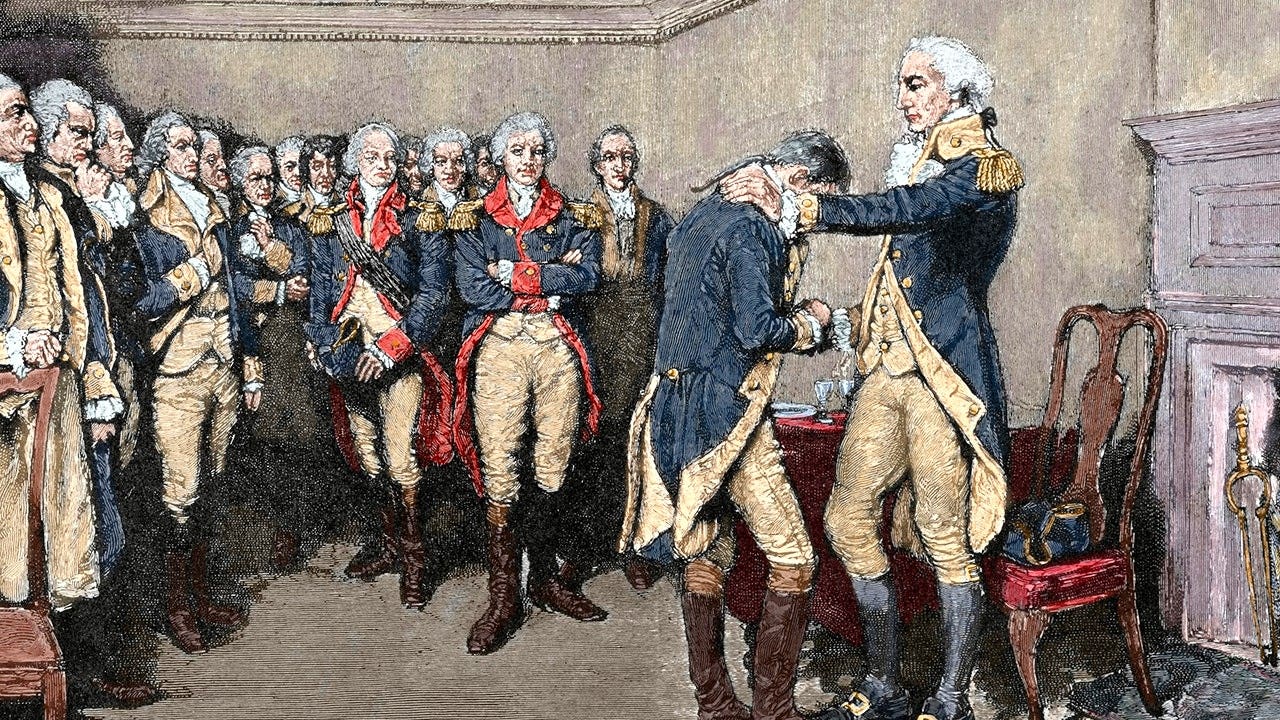
A Fox News lifestyle piece highlights several surviving and reconstructed taverns in New York and Massachusetts that were gathering places for American revolutionaries. The segment, introduced by Dana Perino and reported by Douglas Kennedy, profiles locations such as Fraunces Tavern (New York City), the Raleigh Tavern (reconstructed at Colonial Williamsburg), Buckman Tavern (Lexington), and mentions the lost Green Dragon Tavern (Boston). The article notes Fraunces Tavern’s 1719 construction and its association with George Washington’s 1783 farewell to his officers; Raleigh Tavern’s role as a meeting place after Virginia’s House of Burgesses was dissolved in 1774; and Buckman Tavern as the assembly point for militia before the April 19, 1775 confrontation at Lexington Green. It explains that some of these sites now operate as museums, restaurants, or tourist attractions and that taverns historically functioned as hubs for news, debate, lodging, and community life. The story is written by Andrea Margolis and is presented as a lifestyle/travel history feature.
Biblical Reflection
The article truthfully presents taverns as important civic spaces in colonial life and offers readers a tangible way to connect with early American history. Its intent is largely cultural and touristic—celebrating places where citizens gathered to debate and organize—and it encourages heritage preservation and public memory. Seen through a Christian lens, remembering these sites can foster gratitude for sacrifices made for civic freedom and for the ways ordinary social life (hospitality, fellowship, conversation) contributed to the common good. At the same time, the piece frames the Founders in largely celebratory terms and omits harder truths about the era—such as slavery, treatment of Indigenous peoples, and deep social inequalities—that are part of the fuller historical record. Christians should therefore receive this story with both appreciation and discernment: honor courage and public virtue where due, but resist uncritical hero-worship and remain committed to truth-seeking, repentance for past injustices, and compassion for those whose stories are not told here.
Scripture in context
This outlook does not yet include contextual Scripture citations. Do not treat a general biblical theme as an exegetical conclusion.
Faithful Response
No prescribed response is offered. Consider the reflection prompts below in your own church context.
Reflection and Discussion
- 1Whose stories are foregrounded in this nostalgic account, and whose experiences from the same era are left out or minimized?
- 2Does focusing on places of fellowship (taverns, meeting halls) help us see how ordinary community life shapes public decision-making—and how does that inform our view of civic responsibility today?
- 3How can Christians hold a balanced memory that both honors positive civic virtues and confesses the era’s moral failures?
Sources
Reporting links are evidence inputs; Sanctuary News' biblical reflection is commentary.
This outlook currently relies on fewer than two linked sources. Broaden verification before teaching from it.
- 1.Original reportprimary