News Summary
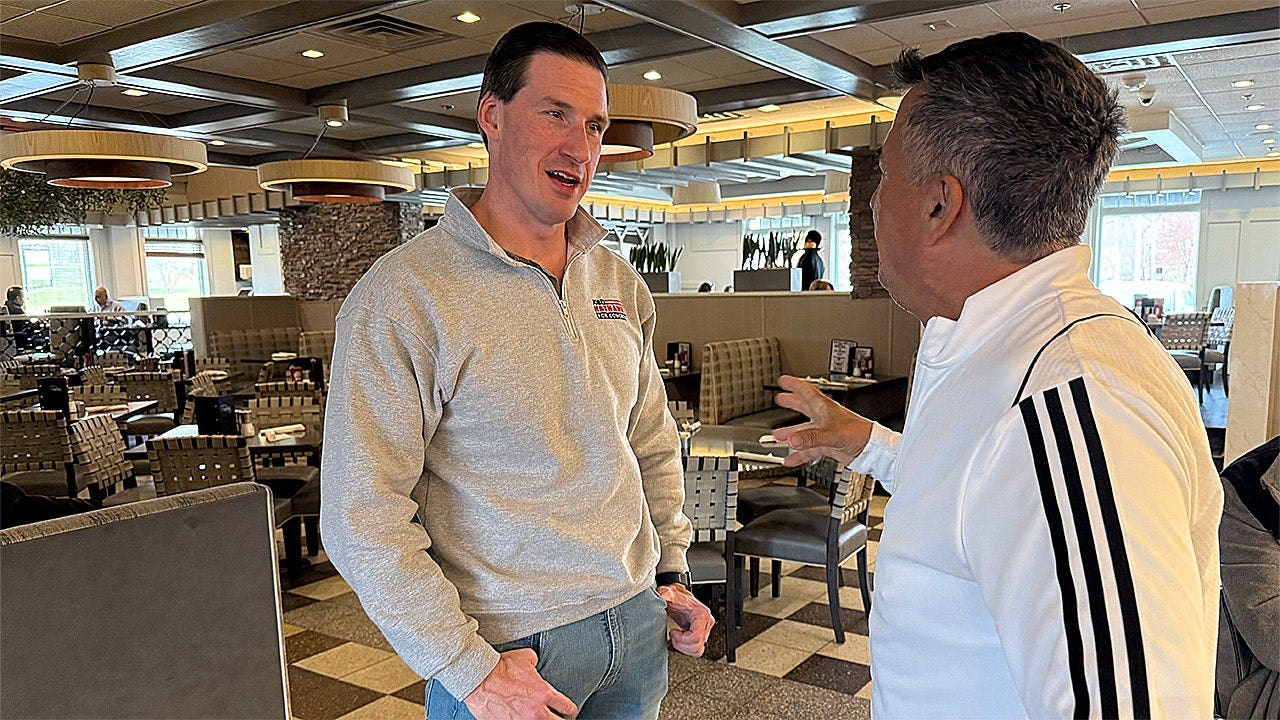
A special election was held April 16, 2026, for New Jersey's 11th Congressional District to fill the seat vacated by Rep. Mikie Sherrill after she was elected governor. Republican Joe Hathaway faced Democrat Analilia Mejia. Hathaway emphasized that he will not be a “rubber stamp” for President Donald Trump and said he will call “balls and strikes,” but he also criticized Mejia as running on far-left or “socialist” ideology and tied her rhetoric on Israel and Gaza to concerns among Jewish voters. Mejia is backed by progressive figures including Sen. Bernie Sanders and Rep. Alexandria Ocasio-Cortez; she has said her criticism of Israel’s actions in Gaza is not antisemitic and accepted an endorsement from J Street PAC, drawing criticism from some on the left. Hathaway pointed to local issues (SALT deductions, Gateway Project funding, a nearby Army base, border security, fentanyl) to argue he can win crossover votes; a local pollster predicted Democratic turnout would be strong and that crossover support for Hathaway was unlikely. Both campaigns traded accusations: Hathaway alleged antisemitism and extreme ideology on Mejia’s part, while Mejia accused Hathaway of conflating government criticism with bigotry and tied Hathaway to national GOP policies. The article appeared in Fox News Digital and primarily relays Hathaway’s campaign messaging along with Mejia’s responses and commentary from a political scientist.
Biblical Reflection
From a Christian perspective, this story highlights recurring spiritual and ethical concerns in political life: partisan polarization, the use of charged labels to mobilize voters, and the ease with which complex moral issues (like criticism of a government's conduct versus prejudice toward a people) can be oversimplified. The candidates are competing for hearts and votes, so rhetorical framing—'socialist,' 'antisemitic,' 'rubber stamp'—serves persuasive ends. Scripture calls Christians to seek truth and to speak it in love; political speech that deliberately misrepresents opponents or stokes fear runs counter to that ethic (Ephesians 4:15). At the same time, the charge of antisemitism is morally serious and must not be dismissed—criticism of a government should be made carefully so it is not complicit with or cover for prejudice. Media framing matters: this article centers Hathaway’s perspective and uses language common to conservative outlets, so readers should note the source and seek additional reporting for balance. Practically, Christians should weigh campaign claims against verifiable facts, resist tribal reflexes that equate patriotism with uncritical loyalty to any leader, and prioritize justice, truth-telling, and protecting vulnerable communities (including Jewish neighbors and civilians affected by conflict). Finally, pursue humility: recognize that legitimate policy disagreements exist, but slander and demonization are unchristlike and hinder the common good.
Scripture in context
This outlook does not yet include contextual Scripture citations. Do not treat a general biblical theme as an exegetical conclusion.
Faithful Response
No prescribed response is offered. Consider the reflection prompts below in your own church context.
Reflection and Discussion
- 1Which specific facts in the article support the major accusations made by each campaign, and where is rhetoric filling gaps in evidence?
- 2Are labels like 'socialist' or 'antisemitic' being used precisely to describe policy and behavior, or are they functioning primarily as partisan shorthand to shift voters' emotions?
- 3How might my own media sources and loyalties shape the way I interpret these campaign claims—am I evaluating them by charity and evidence or by partisanship?
Sources
Reporting links are evidence inputs; Sanctuary News' biblical reflection is commentary.
This outlook currently relies on fewer than two linked sources. Broaden verification before teaching from it.
- 1.Original reportprimary