A little more detail
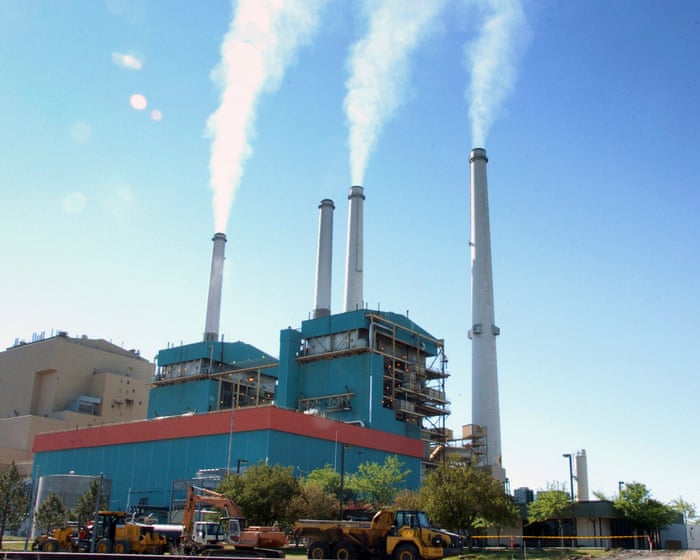
An Environmental Defense Fund (EDF) analysis, reported by The Guardian on 2026-10-31, states that the Trump administration supported 90 of 184 U.S. grid-connected coal plants through about $950 million in financial support, regulatory relief (described as Clean Air Act exemptions), and directives or requirements that plants remain online past planned retirement dates. The Guardian article attributes these counts and categories to EDF and uses advocacy language (for example, “cash handouts” and “free passes to pollute”). The supplied reporting does not include EDF’s full report or direct government responses in the excerpt provided.
Source and Framing Analysis
The central factual claims come from an Environmental Defense Fund analysis as summarized by The Guardian. EDF is an environmental advocacy and research organization; The Guardian’s piece uses evaluative language drawn from EDF’s framing. The supplied material gives clear numeric claims ($950 million; 90 of 184 grid-connected plants) and categories of support, which are material and useful. Missing from the supplied text are EDF’s underlying data and methods, details naming which plants or programs were affected, documents showing legal bases for any regulatory exemptions, and any response or clarification from federal agencies, plant owners, or the Trump administration. Because the story rests on a single named analysis and reporting outlet in the supplied material, readers should seek the EDF report and primary government or regulatory records before drawing firm conclusions.
How sources covered this story
Sanctuary separately assesses reporting quality and alignment with Christian virtues. The virtues assessment considers truthfulness, dignity, compassion, justice, peacemaking, humility, and care for vulnerable people. It does not assess a publisher's faith or reward religious language.
Compare 1 reports
Reporting 75/100Virtues 78/100
- Distinctive contribution
- Provides quantified findings from an EDF analysis (the $950m figure and the count that 90 of 184 plants received support) and categorizes the forms of support (cash handouts, Clean Air Act exemptions, requirements to stay online past retirement dates).
- Framing
- Frames the actions as a benefit to coal plants and a failing or interventionist approach by the Trump administration (language such as 'cash handouts' and 'free passes to pollute'); attributes claims to an environmental advocacy group's analysis and uses evaluative, critical wording.
- Omissions or uncertainty
- The excerpt does not specify the time period covered, which specific plants or programs received funds or exemptions, the legal or administrative mechanisms for Clean Air Act exemptions, EDF's methodology, whether federal funds were direct payments versus loans or subsidies, or any response or context from the administration, plant operators, regulators, or affected communities.
- Why these scores
- The excerpt cites a named outside analysis and gives clear, specific numbers, which supports credibility. However, it uses strongly evaluative language ('cash handouts', 'free passes to pollute') that signals advocacy framing, and it omits methodological detail, named examples, timeline, and responses from other parties. Those limitations reduce but do not fatally undermine its utility for a factual cluster. The piece aims at truth‑seeking by citing a named analysis and highlights potential harms (pollution, regulatory leniency), which aligns with concerns for justice and care for affected communities. The language is critical and partisan in tone but not dehumanizing. Points are deducted because the excerpt lacks voices from those impacted or responses that would show fuller humility and balance.
Biblical Reflection
Factual reporting and Christian concern should remain distinct but mutually informing. Factually: the claims reported would describe a pattern of administrative decisions that, if accurate, altered regulatory and market signals for coal and likely affected air quality and community health. Spiritually and ethically: Christians are called to truth, mercy, justice, peacemaking, humility, and protection of the vulnerable. That means pursuing facts patiently, advocating for the health and dignity of neighbors who bear pollution burdens, supporting fair treatment of workers and communities economically tied to coal, and calling for accountable remedies if harm is shown. Our response should combine careful inquiry with compassionate care for affected people, resisting partisan simplification while pressing for repair where injustice is found.
Scripture in context
- 1 (sheep and goats) — Jesus contrasts those who serve vulnerable people with those who ignore them. — Public-policy decisions about pollution and public health should be evaluated through neighbor-love: Christians are called to protect and speak for those harmed by environmental injustice.
- 2 (stewardship of creation) — Scripture presents humanity as entrusted with care for creation. — Stewardship calls Christians to weigh policies that affect air, water, and common resources, seeking sustainable practices that preserve human dignity and ecological health.
- 3 (do justice, love mercy, walk humbly) — A biblical summons to practical justice and humility in civic life. — Accountability for public officials and concern for affected communities should be pursued with humility, mercy, and a commitment to concrete justice.
Faithful Response
Pray for truth, for communities affected by pollution, for public servants, and for wise discernment.
Read the full EDF report and request the primary documents EDF used; do not rely solely on secondary summary language.
Request government records or statements (for example, agency releases, regulatory orders, contract documents) and seek comment from plant operators for fuller context.
Support and partner with local health organizations and community groups serving people who live near coal plants; offer practical assistance (health screenings, transport, advocacy training).
Encourage congregations to hold fact-informed forums (invite neutral experts and voices from affected communities) rather than partisan debates.
Advocate for accountability and repair when credible evidence shows harm, while also caring for workers and communities dependent on coal through job-transition and economic-support initiatives.
Reflection and Discussion
- 1How does this report challenge our congregation’s responsibility to care for neighbors who may be harmed by pollution?
- 2What should Christian accountability for public officials look like when policies affect public health and the environment?
- 3How can the church both defend vulnerable communities and compassionately address the economic realities of workers tied to coal?
- 4What steps will we take to pursue facts before making or repeating strong public claims?
Sources
Reporting links are evidence inputs; Sanctuary News' biblical reflection is commentary.
This is a developing, single-source report. Details may change as more reporting becomes available.
- 1.Trump boosted half of US coal plants with taxpayer dollars and ‘free passes to pollute’, report saysprimary_reporting