News Summary
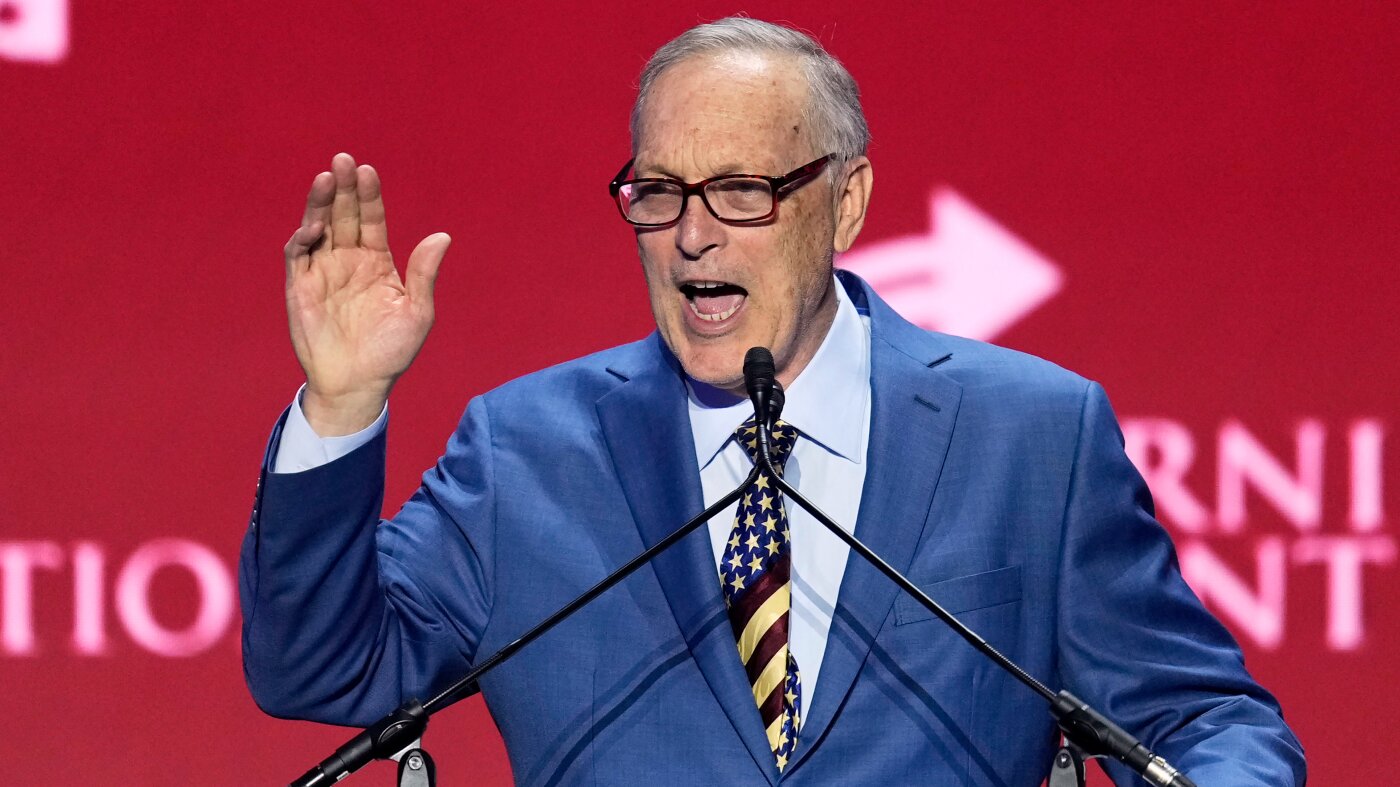
A States United Action analysis, shared with NPR, found that candidates who have denied the 2020 election results are running for statewide offices that play roles in administering or certifying elections in 23 states, including five presidential swing states. States United tracks candidates against five criteria (including falsely claiming Trump was the rightful 2020 winner or supporting attempts to overturn results after audits and litigation). At the time of the analysis, at least 53 such candidates were running for positions—including secretary of state, governor, and attorney general—in contests across states. The report notes 39 states are holding elections this year for statewide positions that interact with elections. Examples cited in the article: Arizona GOP gubernatorial front-runner Rep. Andy Biggs voted not to certify the 2020 results while in Congress and reportedly urged state lawmakers to investigate alternative actions; Georgia Secretary of State Brad Raffensperger resisted pressure in 2020 to “find” votes; Michigan Secretary of State Jocelyn Benson faced armed protesters after the 2020 vote. States United and other analysts say the number of election-denying statewide candidates is lower than in some prior cycles; they attribute this in part to evidence that election-denial messaging has been a poor campaign strategy in competitive races (with past analyses showing an approximate 3-point penalty for such positions in 2022). Observers also describe an organized “election denial” infrastructure that has influenced some candidates and officials since 2020. The article cites perspectives from States United Action’s CEO Joanna Lydgate and election-integrity researchers like Brendan Fischer.
Biblical Reflection
From a Christian perspective, this story raises concerns about truth-telling, stewardship of public trust, and the health of civic institutions. The facts reported—candidates who publicly disputed validated election outcomes seeking authority over election administration—are consequential because those offices are entrusted with impartial processes that protect the common good. Biblical ethics call leaders to honesty (Ephesians 4:25) and to care for the vulnerable and the commonwealth (e.g., Proverbs and Paul’s teaching about governing authorities), so deliberate spread of falsehoods about foundational civic matters is spiritually and morally serious. At the same time, readers should note the report’s source and mission: States United Action is an organization dedicated to protecting elections, and NPR is reporting its analysis; both bring explicit perspectives and methods that shape how the story is framed. The label “election denier” can encompass a range of statements and actions—some litigated and debunked, others political rhetoric—so discernment is needed to separate demonstrable falsehoods and efforts to subvert processes from contested policy positions or partisan claims. Christians should resist tribal reflexes that excuse dishonesty by “our side,” and should also resist alarmism that overstates the immediate risk without evidence. Ultimately, the Christian response is to pursue truth, pray for leaders, advocate for fair and transparent institutions, and hold public servants accountable to just, lawful conduct.
Scripture in context
This outlook does not yet include contextual Scripture citations. Do not treat a general biblical theme as an exegetical conclusion.
Faithful Response
No prescribed response is offered. Consider the reflection prompts below in your own church context.
Reflection and Discussion
- 1What incentives—political, financial, or social—encourage candidates to promote or repeat contested claims about election results, and how does that reshape democratic norms?
- 2How does media framing (choice of sources, labels like “election denier,” and emphasis on threat) influence our perception of the scale and immediacy of the risk to election integrity?
- 3In what ways does partisan loyalty make communities more susceptible to misinformation, and what intellectual habits should Christians cultivate to guard truth in public life?
Sources
Reporting links are evidence inputs; Sanctuary News' biblical reflection is commentary.
This outlook currently relies on fewer than two linked sources. Broaden verification before teaching from it.
- 1.Original reportprimary