News Summary
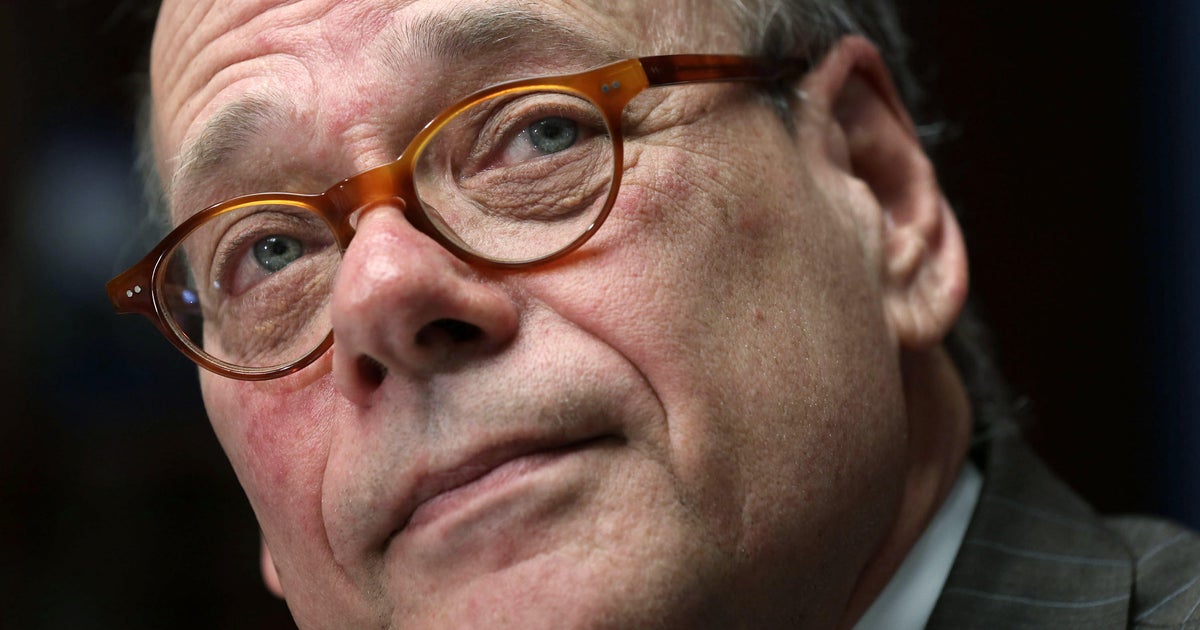
Rep. Steve Cohen (D), 76, announced he will not seek reelection and will retire from public life at the end of his current term. Cohen has represented Tennessee’s 9th Congressional District since 2007. He said he considered running in one of the newly drawn districts but decided against it, stating the new districts are "nothing like the ninth district" he has represented, which has been a majority African American district centered on Memphis. The GOP-led Tennessee legislature recently passed a redistricting plan that splits Memphis into parts of several districts that lean more Republican; that vote drew protests. Cohen served on the House Permanent Select Committee on Intelligence, the House Judiciary Committee, and the House Committee on Transportation and Infrastructure. House Democratic Leader Hakeem Jeffries issued a statement praising Cohen’s civil-rights work and leadership, noting he was the first Jewish member of Congress from Tennessee and citing Cohen’s role in an apology resolution for slavery and hearings on voting rights and police reform.
Biblical Reflection
This report is a straightforward account of a long-serving congressman's decision to retire after state-led redistricting altered the political map of his district. The central factual claim—that redistricting materially changed the constituency Cohen has represented and influenced his decision—is supported by his own statement. The article implicitly raises questions about how political power exercised at the state level can reshape representation and affect minority communities' voice in Congress. From a biblical perspective, Christians should be attentive to both the civic reality (how laws and political actions affect justice and community welfare) and the personal vocation of public servants. Scripture calls leaders to seek justice and defend the vulnerable (Micah 6:8; Proverbs 31:8–9). When political processes reduce or dilute the representation of historically marginalized groups, there is a moral concern about fairness and stewardship of public trust. At the same time, the story also illustrates faithful public service—Cohen’s long tenure and focus on civil rights reflect a commitment to justice-oriented work that Christians can commend. Readers should note the article’s neutral tone and quoted remarks; it does not prove intentional malice by any actor, but it does highlight the political consequences of redistricting. Christians should therefore be both discerning about partisan rhetoric and concerned for structures that promote equity and the common good.
Scripture in context
This outlook does not yet include contextual Scripture citations. Do not treat a general biblical theme as an exegetical conclusion.
Faithful Response
No prescribed response is offered. Consider the reflection prompts below in your own church context.
Reflection and Discussion
- 1How does the way electoral districts are drawn affect the ability of marginalized communities to seek justice and be fairly represented?
- 2Am I evaluating reports about political changes primarily by partisan cues, or am I discerning structural impacts on the common good and vulnerable groups?
- 3What practices should Christians encourage in public life to ensure leaders are held accountable and institutions protect minority representation?
Sources
Reporting links are evidence inputs; Sanctuary News' biblical reflection is commentary.
This outlook currently relies on fewer than two linked sources. Broaden verification before teaching from it.
- 1.Original reportprimary