News Summary
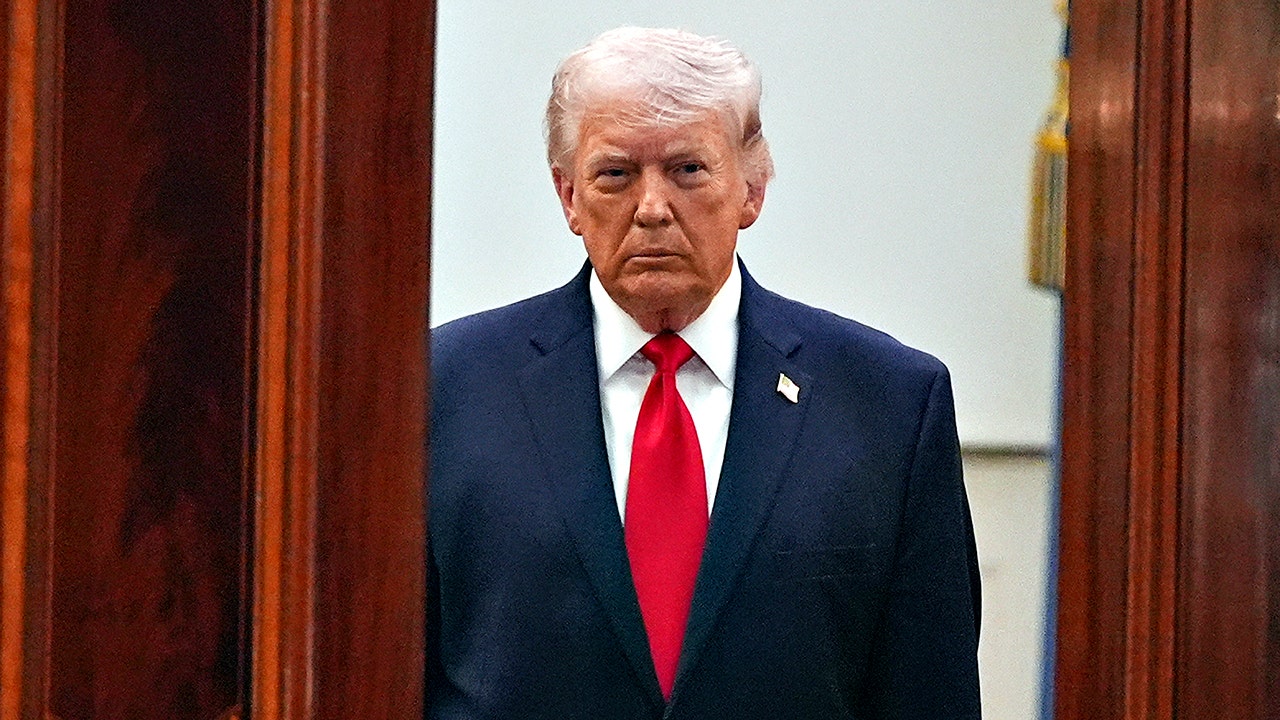
Rep. Seth Moulton, a former Marine, published an opinion piece criticizing President Trump’s recent address on the conflict with Iran. Moulton says the speech left the public and Congress with unanswered questions and describes the administration’s objectives as shifting (examples cited include regime change, destroying ballistic missile capability, seizing oil, and preventing nuclear development). He outlines three military options he believes are under consideration: seizing Kharg Island, a risky special operations mission to secure uranium, and an amphibious assault to reopen the Strait of Hormuz. Moulton argues each option would be costly, unlikely to eliminate the Iranian regime, and would not produce a durable end-state. He cites a reported Pentagon request for a $200 billion supplemental bill as evidence of anticipated long-term cost, says markets fell during the president’s speech, and contends that a negotiated agreement similar to the 2015 nuclear deal is the only viable path to end the conflict. He also asserts that President Trump’s prior claims about the Iran deal’s compliance were false and that Trump’s prior actions have reduced opportunities for diplomacy.
Biblical Reflection
This is an opinion piece written by a veteran and sitting congressman arguing for prudence and diplomacy over expanded military action. From a biblical perspective, several themes stand out: the value of truthfulness in leadership, the moral weight of sending others to war, and the biblical call to pursue peace where possible. Christians should note that the article is explicitly partisan and argumentative — it selects facts and interpretations to support a policy position. That does not mean the observations are false, but it does mean readers should verify factual claims (e.g., the Pentagon request, market reactions, exact policy proposals) against multiple sources. Scripture repeatedly affirms the worth of wise, measured counsel (Proverbs) and the poor moral calculus of seeking goals through violence without regard for human life (Jeremiah, Micah). At the same time, the Bible does not reflexively condemn all use of force; it recognizes legitimate governmental responsibility for justice and protection (Romans 13). The Christian response to this report should therefore balance a sober critique of rushed or vague war-making rhetoric with careful discernment about threats and responsibilities. Pray for leaders to be guided by truth, humility, and a commitment to protect the vulnerable while exhausting diplomatic avenues. Be wary of media or political frames that simplify complex security dilemmas into slogans; look instead for clear aims, measurable exit criteria, and attention to human cost.
Scripture in context
This outlook does not yet include contextual Scripture citations. Do not treat a general biblical theme as an exegetical conclusion.
Faithful Response
No prescribed response is offered. Consider the reflection prompts below in your own church context.
Reflection and Discussion
- 1What assumptions about the use of force and measurable 'victory' underlie the arguments in this piece, and how might differing assumptions change the recommended course of action?
- 2Which factual claims (cost estimates, market responses, compliance with prior deals) are presented as givens and should be independently verified before shaping conviction?
- 3How does the tension between the moral duty to protect the innocent and the biblical call to pursue peace shape how Christians should evaluate proposals for military escalation?
Sources
Reporting links are evidence inputs; Sanctuary News' biblical reflection is commentary.
This outlook currently relies on fewer than two linked sources. Broaden verification before teaching from it.
- 1.Original reportprimary