News Summary
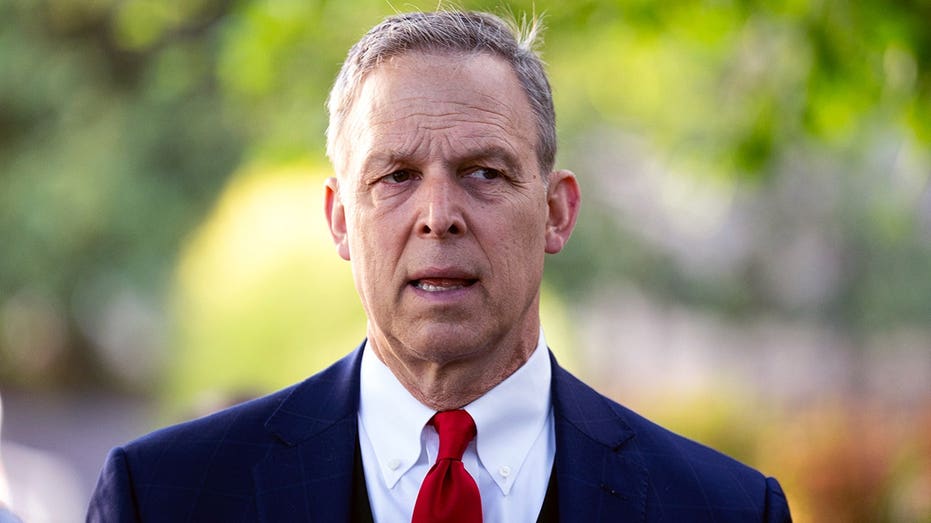
Reported facts: The Fox News article states that Rep. Scott Perry introduced the No Kill Switches in Cars Act to repeal a federal requirement that new vehicles include passive driver impairment monitoring technology, and that Perry cites privacy and cost concerns. Attributed claims: The article characterizes the mandated technology as a 'kill switch' and attributes the mandate to the Biden administration. Uncertainties: The article does not supply the official text of the federal rule, the responsible federal agency, technical details about the technology, timelines, cost estimates, or independent evidence of benefits or harms.
Source and Framing Analysis
The article uses a charged phrase ('kill switch') that frames the technology as an immediate threat rather than describing technical specifics; that choice affects reader perception. The supplied reporting is a single source and does not include direct quotations from agency documents, manufacturers, technical experts, or independent data on costs or safety outcomes—material information that would affect evaluation of the policy.
Biblical Reflection
Christians should weigh competing goods here: the public safety aims of vehicle-safety rules and the legitimate privacy and economic concerns raised by surveillance-like technologies. The article highlights a common modern tension—how to protect neighbors from harm (e.g., impaired driving) while preserving personal dignity and privacy.
Pay close attention to language and framing. Calling in-vehicle safety or monitoring a 'kill switch' is rhetorically charged; it can prompt fear rather than careful evaluation. Seek clarity about what the technology actually does and whether there are less intrusive ways to protect life. Christian discernment asks us to hold both truth and mercy: verify facts rather than accept alarmist labels, and protect the vulnerable who may benefit from improved safety while also defending the dignity of those legitimately worried about surveillance.
Finally, pursue humility and civility in public conversation. Policies affecting whole communities require public debate grounded in solid facts, transparent data, and respect for neighbors who hold different reasonable concerns. Christians can model patient, truth-seeking engagement that centers the common good rather than partisan rhetoric.
Scripture in context
- 1Luke 10:25-37 (Parable of the Good Samaritan) — In a story told to define 'neighbor' and model merciful action, a Samaritan cares for an injured stranger when others pass by, showing that love of neighbor requires concrete, compassionate action across social boundaries. — The passage invites Christians to ask who is at risk and how we act to protect them; when public policy debates juxtapose safety and privacy, the church should consider both practical protection for vulnerable people and respectful treatment of those whose dignity is threatened by intrusive measures.
Faithful Response
1) Inform yourself from official rule texts, technical analyses, and multiple news sources before forming a public position. 2) Pray for discernment and for policymakers, asking God to give wisdom to weigh harms and benefits. 3) Engage representatives respectfully, asking for transparent data on safety impact, privacy safeguards, and consumer cost estimates. 4) Support concrete mercy efforts—such as local programs that reduce impaired driving—while advocating for privacy protections where warranted.
Reflection and Discussion
- 1What evidence would move me to support or oppose government requirements for in-vehicle monitoring, and how do I discern credible sources?
- 2How can Christians advocate for both public safety and individual dignity in a way that avoids fearmongering or dismissiveness?
- 3In what ways should the church prioritize care for those harmed by impaired driving while also standing against unnecessary or unjust surveillance?
Sources
Reporting links are evidence inputs; Sanctuary News' biblical reflection is commentary.
This outlook currently relies on fewer than two linked sources. Broaden verification before teaching from it.
- 1.Joe Biden mandated all new vehicles come installed with a 'kill switch.' This Republican wants to repeal itprimary_reporting