News Summary
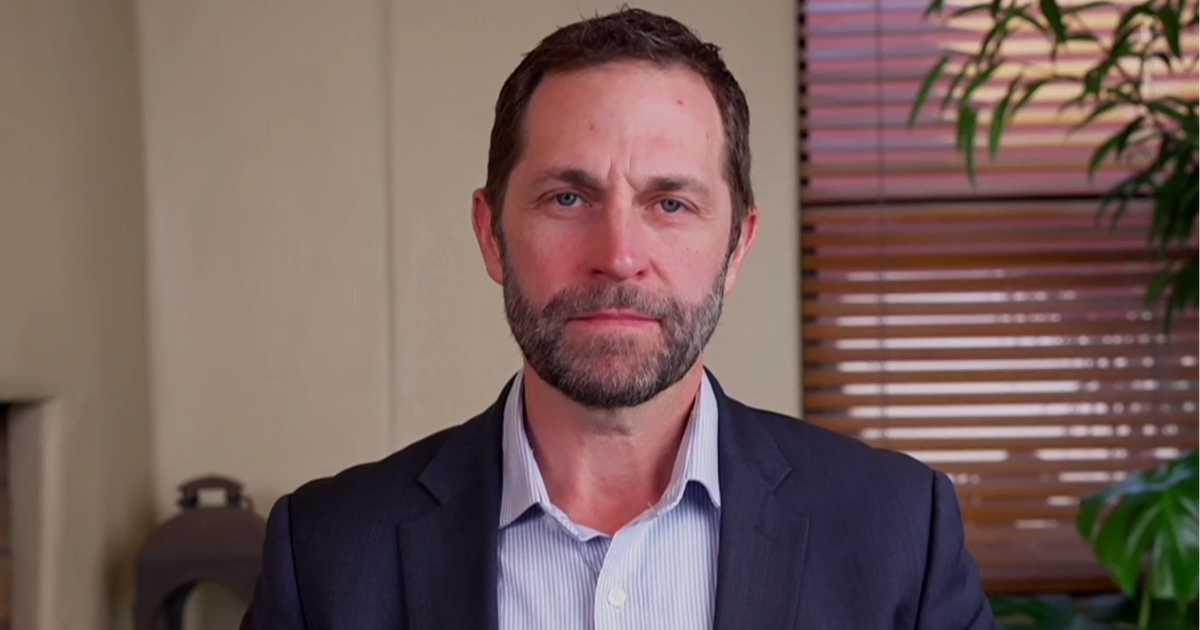
Rep. Jason Crow (D-CO) said on CBS's Face the Nation that the United States is "not good at having off ramps" and urged a broader strategic conversation about the conflict with Iran. The article notes President Trump told congressional leaders that hostilities with Iran had "terminated" at the 60-day mark, though the U.S. continues to enforce a naval blockade on Iranian ports and has threatened to resume strikes. The president said he was reviewing a new Iranian peace proposal but suggested he was unlikely to accept it because "they have not yet paid a big enough price," and that the U.S. blockade of the Strait of Hormuz would remain until a deal ends the war. Crow argued the national discussion focuses on tactics (e.g., blockades, countering drones) rather than strategy, and cited U.S. experiences in Iraq and Afghanistan as examples of long, costly conflicts without clear off-ramps. The article reports Defense Secretary Pete Hegseth testified recently on the Pentagon's $1.5 trillion budget request; Crow said he would oppose that funding, arguing existing munitions stockpiles are sufficient and that Congress should not continue funding open-ended conflicts without a clear presidential strategy or congressional authorization.
Biblical Reflection
From a Christian perspective the article highlights important moral and civic concerns: stewardship, truthfulness from leaders, and the pursuit of peace. Crow's criticism—that the U.S. struggles to identify exit strategies and too easily falls into protracted conflicts—speaks to stewardship (responsible use of lives and resources) and the call to pursue just and lasting peace. The article largely frames the issue through political and strategic lenses, quoting Crow and summarizing President Trump's statements; it does not include independent analysis of on-the-ground conditions in Iran or perspectives from other regional actors, so readers should note the limited range of sources. The underlying worldview presented by Crow is pragmatic and skeptical of open-ended military commitments; the presidency's posture as reported emphasizes leverage and punishment. Biblically, Christians are called both to seek peace (Matthew 5:9) and to exercise wise discernment and accountability for leadership decisions (Proverbs 11:14, Luke 14:28). That means pressing for clear, honest justification for the use of force, demanding lawful authorization and oversight, and prioritizing efforts that minimize suffering and aim for reconciliation where possible. At the same time, Christians should be wary of simplistic moralizing that equates all military action with failure; Scripture allows for the defense of the innocent while still insisting that violence not be glorified or prolonged unnecessarily. Evaluate claims in the article by asking who benefits from continued conflict, whether political incentives shape public statements, and whether the information reported is sufficient to judge the justice or prudence of policy choices.
Scripture in context
This outlook does not yet include contextual Scripture citations. Do not treat a general biblical theme as an exegetical conclusion.
Faithful Response
No prescribed response is offered. Consider the reflection prompts below in your own church context.
Reflection and Discussion
- 1Whose voices are amplified in this report and whose perspectives—regional actors, civilians, or independent analysts—are missing when assessing whether the U.S. has a just, achievable strategy?
- 2Is the public framing focused on short-term tactics or on long-term objectives and consequences, and how might political incentives shape that framing?
- 3How should Christians weigh the call to pursue peace against the responsibility to protect the innocent and hold leaders accountable for transparent, lawful decisions?
Sources
Reporting links are evidence inputs; Sanctuary News' biblical reflection is commentary.
This outlook currently relies on fewer than two linked sources. Broaden verification before teaching from it.
- 1.Original reportprimary