News Summary
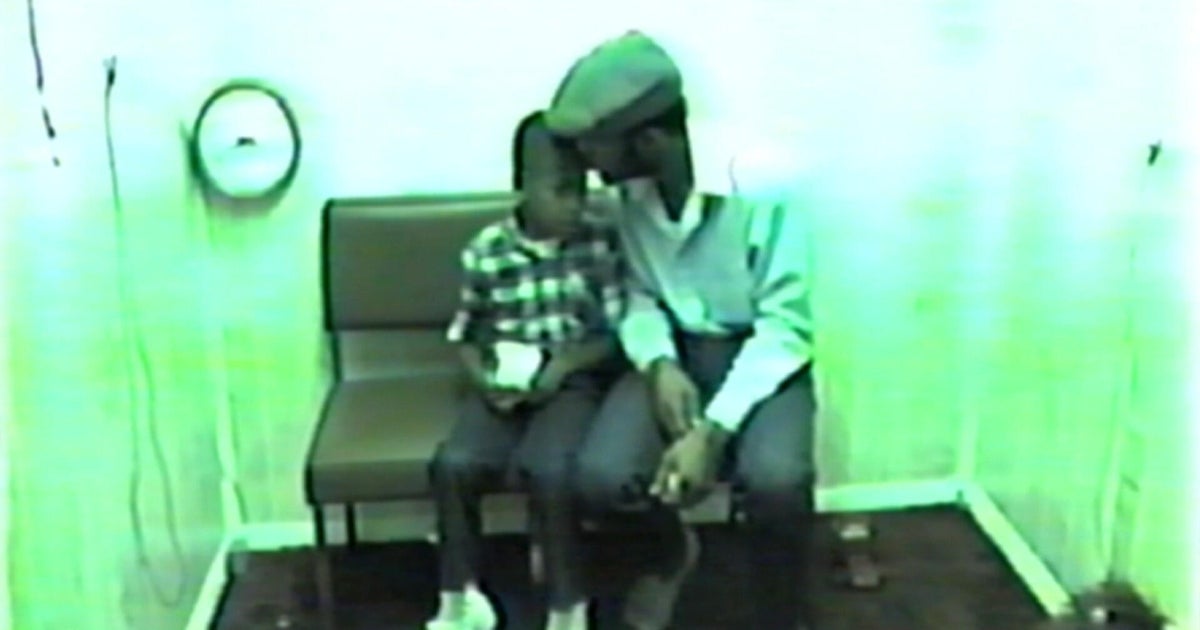
In August 1987 Selonia Reed, 26, was found bludgeoned, stabbed, sexually assaulted, and dead inside her car near Hammond, Louisiana. Her husband, Reginald Reed Sr., reported her missing shortly before the body was discovered and was an early suspect after relatives said Selonia had reported domestic abuse. Their 6-year-old son, Reginald “Reggie” Reed Jr., was videotaped in a police interview with his father present and gave an account that supported his father’s alibi that they had stayed home together that night. Decades later a new investigation by Louisiana State Police produced additional evidence; an alleged accomplice, Jimmy Ray Barnes, agreed to testify for a reduced sentence. In November 2022 Reginald Reed Sr. was found guilty of second-degree murder and later sentenced to life in prison. Reggie, now an adult who wrote a memoir about his childhood, remains conflicted about his father’s guilt and struggles with the emotional aftermath of the case and the child interview footage being used as an alibi.
Biblical Reflection
This story presents a painful intersection of truth-seeking and family loyalty. The criminal process culminated in a conviction, which affirms the state's finding of guilt based on new evidence and testimony; at the same time, the article highlights the deep human cost borne by family members who loved the accused. Christians are called to value both justice and compassion: we should support thorough, impartial investigations that protect the vulnerable and pursue truth, while also acknowledging the complex grief of those who must reconcile love for a parent with the reality of a violent crime. Readers should watch for narrative framing that emphasizes emotional drama (the child's videotaped interview, the son's dilemma) — such framing can humanize individuals in ways that complicate public judgment but does not replace legal findings. Pastoral care in cases like this means lamenting harm, advocating for victims, seeking accountability, and offering mercy that does not ignore truth.
Scripture in context
This outlook does not yet include contextual Scripture citations. Do not treat a general biblical theme as an exegetical conclusion.
Faithful Response
No prescribed response is offered. Consider the reflection prompts below in your own church context.
Reflection and Discussion
- 1How does personal loyalty to a family member shape the way we receive or question legal findings, and how should that influence our public conversation?
- 2Are we giving enough attention to the needs of survivors and children harmed by violence while we focus on the drama of investigation and trial?
- 3When reporting emphasizes emotional elements (a child's tearful interview, a loving parent), how can we hold both compassion and commitment to objective truth?
Sources
Reporting links are evidence inputs; Sanctuary News' biblical reflection is commentary.
This outlook currently relies on fewer than two linked sources. Broaden verification before teaching from it.
- 1.Original reportprimary