News Summary
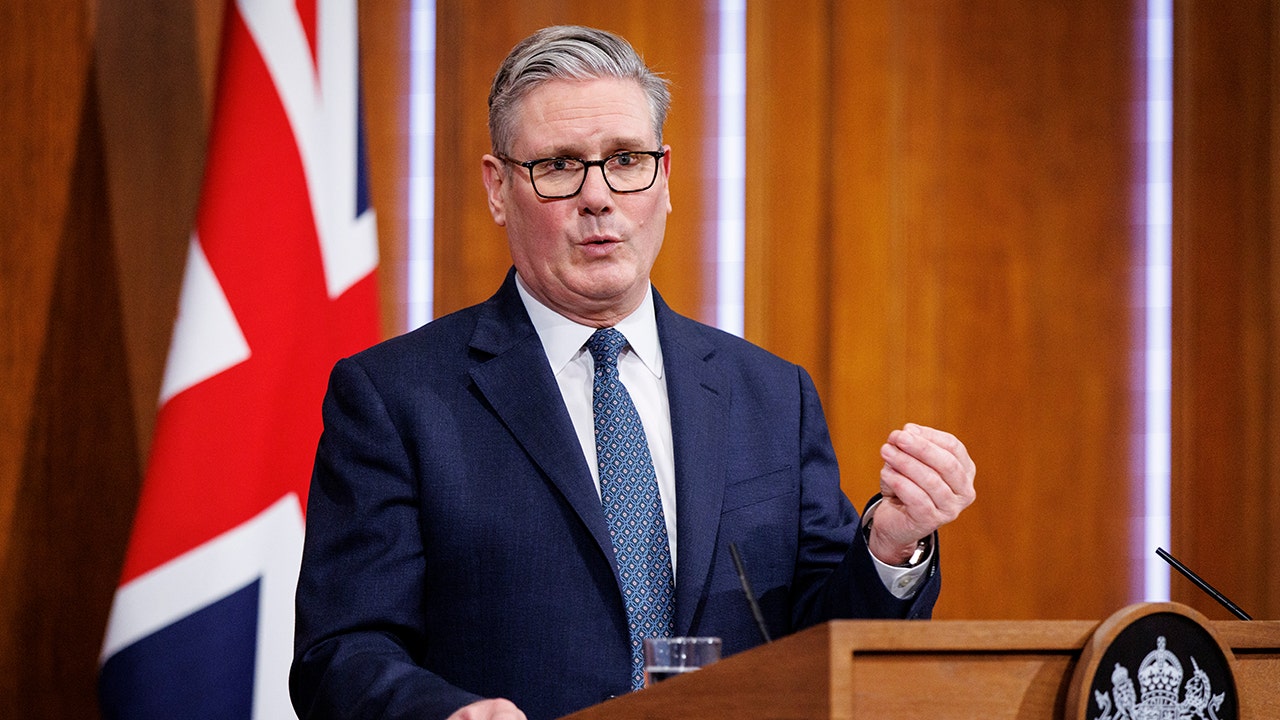
In the 2026 British local elections, the Labour Party suffered substantial losses, with a reported net loss of nearly 500 local council seats as of the article's reporting with just over half of councils declared. Reform UK, led by Nigel Farage, made significant gains—reported as a net increase of about 650 seats—and won control of some councils including Havering. The Conservative Party was reported to have a net loss of roughly 300 seats. Independent candidates and the Green Party saw modest gains (about a net increase of 90 seats). Labour MPs reported that some colleagues called for Prime Minister Keir Starmer to agree to a timeline for leaving leadership; Starmer accepted responsibility for the losses but said he would not immediately resign, saying he would not 'walk away and plunge the country into chaos' while not explicitly ruling out a managed exit. Reform UK campaigned on stricter immigration measures, tax cuts, and repealing environmental policies it says impede growth. The Green Party and independent candidates campaigned in some areas on opposition to the UK government’s position on the war in Gaza; polling cited in the article said a substantial share of Muslim voters said support for Palestinians would influence their local votes. Commentators in the piece suggested the results could signal a shift away from the traditional two-party system in parts of the country.
Biblical Reflection
This article reports political upheaval and voter discontent. From a Christian perspective, several themes are noteworthy. First, political change often flows from genuine grievances—economic, cultural, or moral—that voters feel parties have not addressed; Scripture calls Christians to care for the poor, the marginalized, and the common good (e.g., Isaiah 1:17; Micah 6:8). Second, the tone and tactics described—populist appeals, sharp blame of leadership, and identity-based voting—can deepen polarization and reduce complex issues to simplistic slogans. Christians are called to pursue truth, humility, and peace (Ephesians 4:15–3:16), resisting the temptation to treat opponents as enemies or to celebrate instability for partisan gain. Third, the article’s framing emphasizes winners and losers and highlights certain voices (party leaders, pundits) while summarizing diverse local dynamics in broad strokes—reminding readers that media summaries can conceal local complexities. Evaluate claims (seat counts, motivations, polling) against multiple sources, and be wary of narratives that personalize systemic problems onto single leaders. Finally, Scripture encourages wise engagement with civic life—advocating justice, loving neighbors (including immigrants and minorities), and praying for leaders—rather than unreflective alignment with any political tribe.
Scripture in context
This outlook does not yet include contextual Scripture citations. Do not treat a general biblical theme as an exegetical conclusion.
Faithful Response
No prescribed response is offered. Consider the reflection prompts below in your own church context.
Reflection and Discussion
- 1What emotional or identity-driven appeals does the article highlight (fear, anger, grievance), and how might those appeals shape readers’ judgments about policy versus personality?
- 2Which voices and local complexities are summarized or omitted in this piece, and how could that simplification affect how we understand the causes of electoral shifts?
- 3Does the coverage encourage constructive public discernment (seeking truth, justice, compassion) or does it favor spectacle, blame, or tribalism—how should a Christian reader guard against the latter?
Sources
Reporting links are evidence inputs; Sanctuary News' biblical reflection is commentary.
This outlook currently relies on fewer than two linked sources. Broaden verification before teaching from it.
- 1.Original reportprimary