News Summary
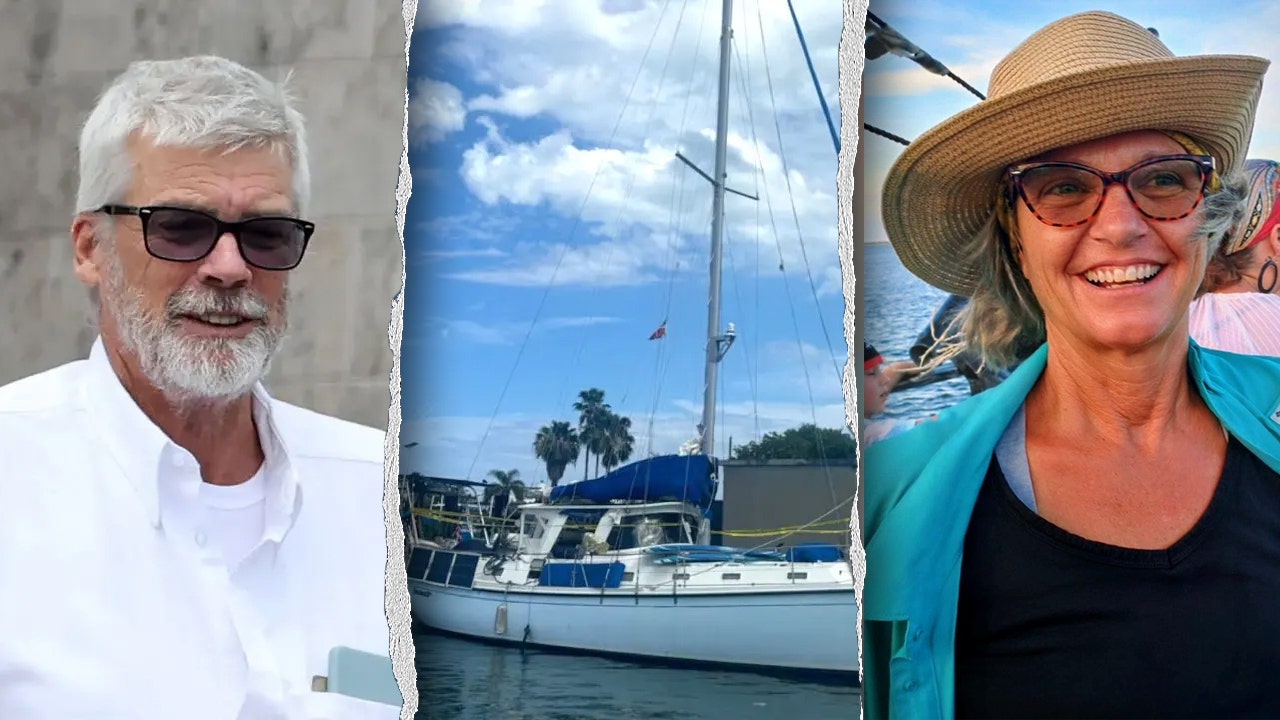
On the evening of April 4, 2026, Brian and Lynette Hooker left Hope Town, Abaco (Bahamas) in a dinghy heading to their sailboat; Brian told authorities Lynette fell overboard in rough water and he reached shore around 4 a.m. on April 5. Two days after the disappearance, Brian Hooker placed a recorded call to a friend, Blaine Stevenson; portions of that call provided to Fox News Digital include statements that appear to conflict with his earlier account (references to bailing water, broken oar pins, throwing a flotation cushion, and on several lines saying he was inside the dinghy, while elsewhere describing her drifting away). U.S. Coast Guard Investigative Service agents obtained GPS data from Hooker’s phone that allegedly conflicted with his initial statements, prompting a four-day renewed search in a new area of the Sea of Abaco and the recovery of the dinghy. U.S. investigators are treating the case as a homicide, and the investigation has included questioning and temporary custody of Brian Hooker; his attorney has asked the public to give him the benefit of the doubt. Maritime law experts quoted by the outlet labeled Hooker’s narratives inconsistent.
Biblical Reflection
This report highlights an active criminal investigation where public information is fragmentary and emerging. The article leans on a recorded private call, expert commentary, and leaked investigative details—elements that can powerfully shape public perception before formal findings. From a Christian perspective, pursuit of truth and justice is important: discrepancies in accounts legitimately justify careful investigation, yet we must avoid rush-to-judgment that can multiply harm to the vulnerable and to due process. The coverage’s true-crime framing and selective quotes can inflame suspicion; Christians should seek facts, support transparent and thorough inquiry, and treat those affected—especially the missing woman and her family—with compassion. At the same time, advocating for clear, unbiased investigation aligns with love of neighbor: we want the full truth for the sake of justice and for preventing further harm.
Scripture in context
This outlook does not yet include contextual Scripture citations. Do not treat a general biblical theme as an exegetical conclusion.
Faithful Response
No prescribed response is offered. Consider the reflection prompts below in your own church context.
Reflection and Discussion
- 1Am I allowing leaked recordings and dramatic commentary to substitute for confirmed evidence in forming my view of the case?
- 2How does the media’s true-crime framing affect my sense of the accused’s guilt or innocence before legal conclusions?
- 3In conversations about this case, am I honoring the dignity of the missing person and the needs of grieving family members?
Sources
Reporting links are evidence inputs; Sanctuary News' biblical reflection is commentary.
This outlook currently relies on fewer than two linked sources. Broaden verification before teaching from it.
- 1.Original reportprimary