News Summary
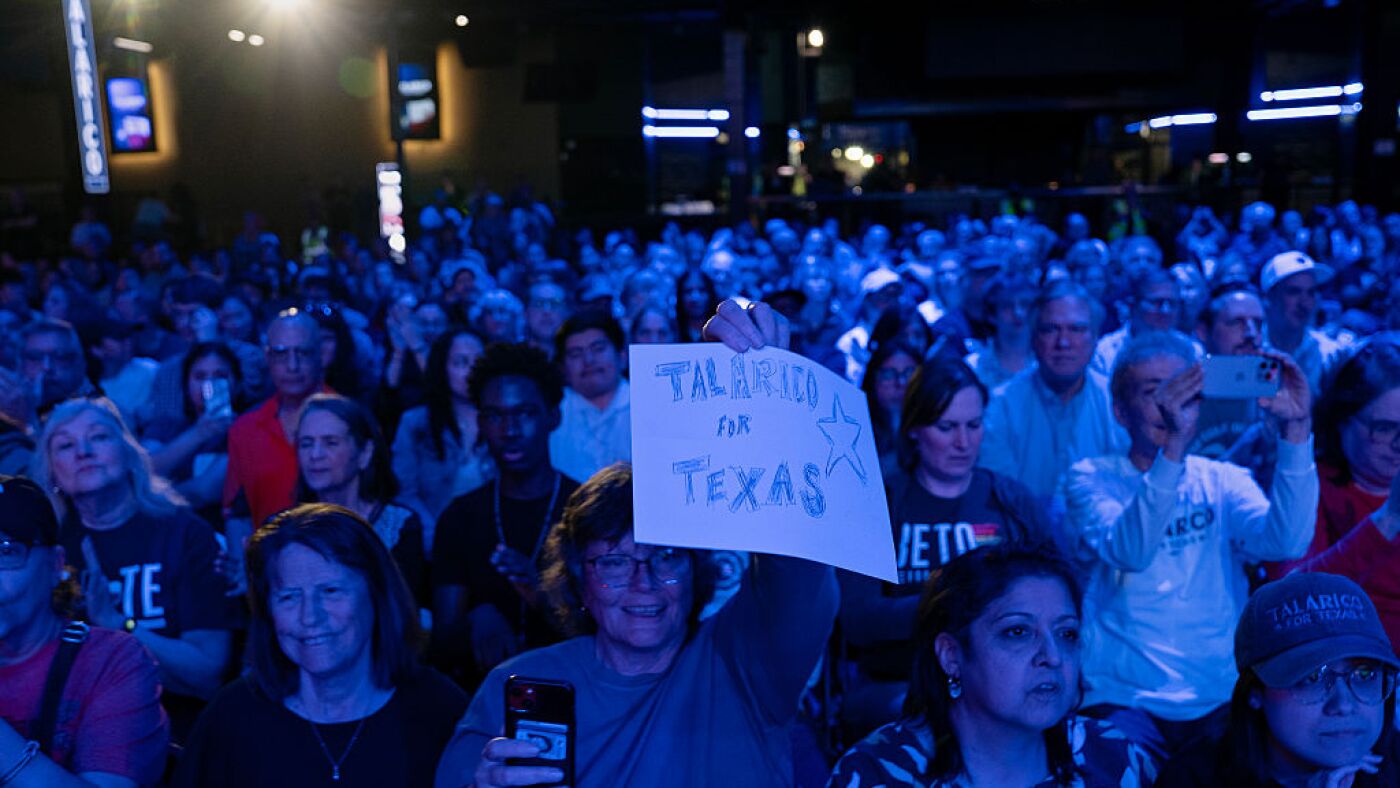
Texas saw a record turnout in this year's Democratic primary for U.S. Senate, with more than 2.3 million votes cast as state Rep. James Talarico defeated U.S. Rep. Jasmine Crockett. Republican primary turnout was nearly 2.2 million and is headed to a runoff between incumbent Sen. John Cornyn and Attorney General Ken Paxton. The Democratic primary total surpassed recent statewide primary tallies (and even eclipsed the 2024 Republican Senate primary total), and was only outpaced historically by high-profile presidential primaries. Analysts see the turnout as a sign of Democratic enthusiasm, and NPR analysis shows large gains for Democrats in heavily Latino counties — Democratic primary votes rose an average of 128% in the 10 most populous counties that are at least 50% Latino, while Republican primary votes in those counties fell on average 4.8%. Observers caution that primary turnout doesn’t guarantee general-election success: no Democrat has won statewide in Texas since 1994, and recent efforts to flip the state have fallen short despite demographic shifts toward a majority-minority electorate. Democrats view Texas as a potential pickup in a bid to gain Senate control, but historical context and general-election vote totals suggest significant hurdles remain.
Biblical Reflection
From a biblical and pastoral perspective, this story presents both hopeful and cautionary themes. On the positive side, increased voter participation—especially among historically underrepresented groups—is consonant with Christian convictions about stewardship, neighbor-love, and responsible citizenship. The Scriptures call God’s people to seek justice, care for the vulnerable, and engage in the public square in ways that promote the common good (e.g., Micah 6:8). Encouraging civic engagement among Latinos and others can be a means of amplifying voices that need to be heard on issues of justice, human dignity, and flourishing.
At the same time, the story warns against turning political momentum into an idol. The Bible repeatedly reminds believers that ultimate hope is in God, not in any human party or election (Psalm 146:3; Jeremiah 17:5–8). Demographic change and enthusiastic turnout are tools and signs, not guarantees. Christians should therefore resist triumphalism when their side gains ground and despair when it does not. We are called to wise, patient, and humble work: advocating for righteousness and mercy, building relationships across divides, holding leaders accountable to truth and justice, and praying for wisdom for all elected officials (1 Timothy 2:1–2).
Practically, this means celebrating increased participation while staying rooted in gospel priorities. Evaluate candidates and tactics by whether they promote human flourishing, protect the vulnerable, and pursue truth and reconciliation. Beware of tribalism, fearmongering, and short-termism; instead, cultivate civic habits of charity, honesty, and servant leadership. Ultimately, politics is a field for faithful engagement, not a replacement for the church’s primary mission of witness, discipleship, and mercy.
Scripture in context
This outlook does not yet include contextual Scripture citations. Do not treat a general biblical theme as an exegetical conclusion.
Faithful Response
No prescribed response is offered. Consider the reflection prompts below in your own church context.
Reflection and Discussion
- 1How am I exercising my responsibility as a citizen in ways that reflect justice, mercy and humility?
- 2Am I tempted to place ultimate hope in political change rather than in God? How does that affect my engagement?
- 3What practical steps can I take to build relationships across political and cultural divides in my community?
Sources
Reporting links are evidence inputs; Sanctuary News' biblical reflection is commentary.
This outlook currently relies on fewer than two linked sources. Broaden verification before teaching from it.
- 1.Original reportprimary