News Summary
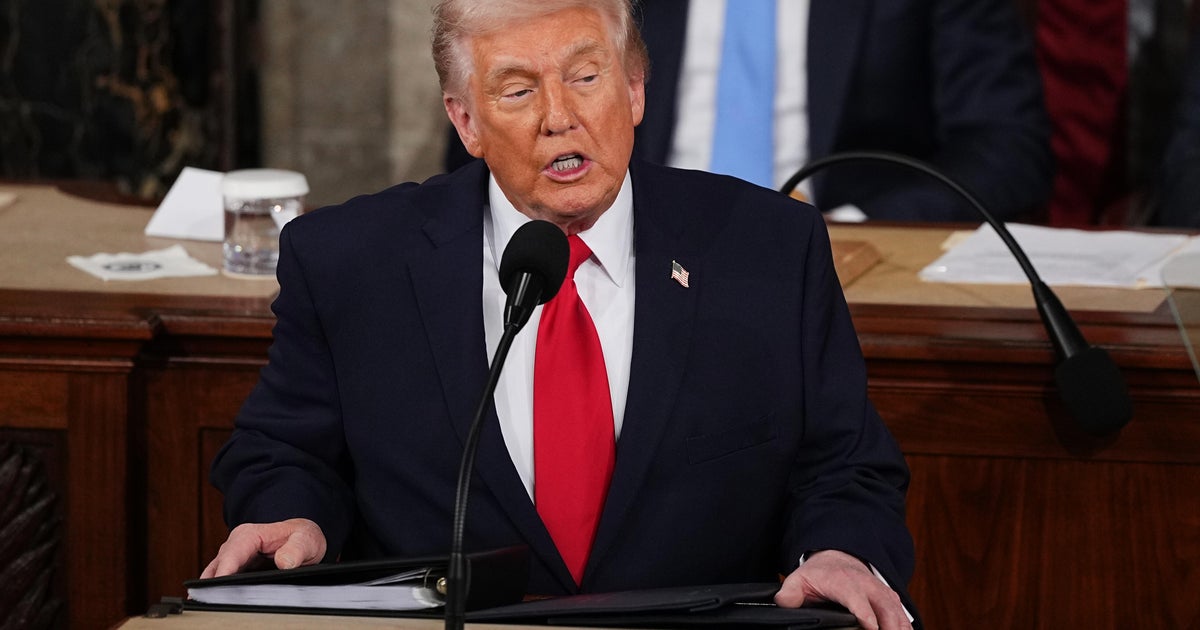
President Trump’s 2026 State of the Union address presents a sweeping overview of his administration’s first year in his new term. Key themes include a celebration of America’s 250th anniversary approaching in July 2026, an emphasis on economic resurgence (low inflation, record-high stock markets, job growth, and wage increases), and a strong stance on border security, with claims of a fully secured border and zero illegal crossings in the last nine months. Trump highlights significant decreases in crime rates and drug trafficking, a rollback of DEI initiatives, and the elimination of job-killing regulations. He details new programs such as tax cuts, the creation of 'Trump Accounts' for children’s savings, and health care reforms aimed at reducing costs. The address also celebrates American heroism, both past and present, through stories of military valor and civilian bravery, and honors individuals affected by crime, immigration, and war. The speech strongly criticizes the previous administration, Democrats, and certain policies seen as detrimental to American security and prosperity. There is a call for legislative action on issues ranging from immigration enforcement and election security to banning gender transitions for minors without parental consent. Trump also claims a renewal of faith and Christianity in the nation, commemorates the martyrdom of Christian leader Charlie Kirk, and concludes with an optimistic vision for America’s future, crediting divine providence for the nation’s exceptionalism.
Biblical Reflection
From a biblical perspective, this address is a striking example of national pride, self-promotion, and the promise of earthly prosperity and security. Scripture reminds us that all human leaders and nations are subject to God’s sovereignty and that ultimate hope and security are found not in political leaders or national strength, but in the Lord alone (Psalm 146:3-4). While the speech includes stories of individual heroism and acknowledges faith and prayer, it often frames virtue and blessing in terms of national greatness and achievement rather than humility, justice, and reliance on God. The Christian worldview calls for care for the foreigner (Leviticus 19:33-34), compassion for the vulnerable, truthfulness, and justice—values that sometimes stand in tension with the rhetoric of exclusion, blame, or exaggerated self-assurance found in this address. The invocation of Christianity and martyrdom is notable, but Christians are reminded that faith is not a political tool or a means to national success, but a call to serve, forgive, sacrifice, and love even our enemies (Matthew 5:43-48). The speech’s tone of triumphalism and adversarial posture toward opponents contrasts with the biblical model of servant leadership, humility, and peacemaking (Philippians 2:3-8, Matthew 5:9). Christians are called to pray for leaders and seek the welfare of the nation (Jeremiah 29:7), but always with a higher loyalty to God’s kingdom, justice, and truth.
Scripture in context
This outlook does not yet include contextual Scripture citations. Do not treat a general biblical theme as an exegetical conclusion.
Faithful Response
No prescribed response is offered. Consider the reflection prompts below in your own church context.
Reflection and Discussion
- 1Where do I place my ultimate hope and security: in political leaders, national strength, or in God?
- 2How does my faith guide me to respond to issues of justice, compassion for the vulnerable, and truthfulness in public life?
- 3Am I praying for my leaders with humility and a desire for God’s will, or am I tempted by the spirit of pride and partisanship?
Sources
Reporting links are evidence inputs; Sanctuary News' biblical reflection is commentary.
This outlook currently relies on fewer than two linked sources. Broaden verification before teaching from it.
- 1.Original reportprimary